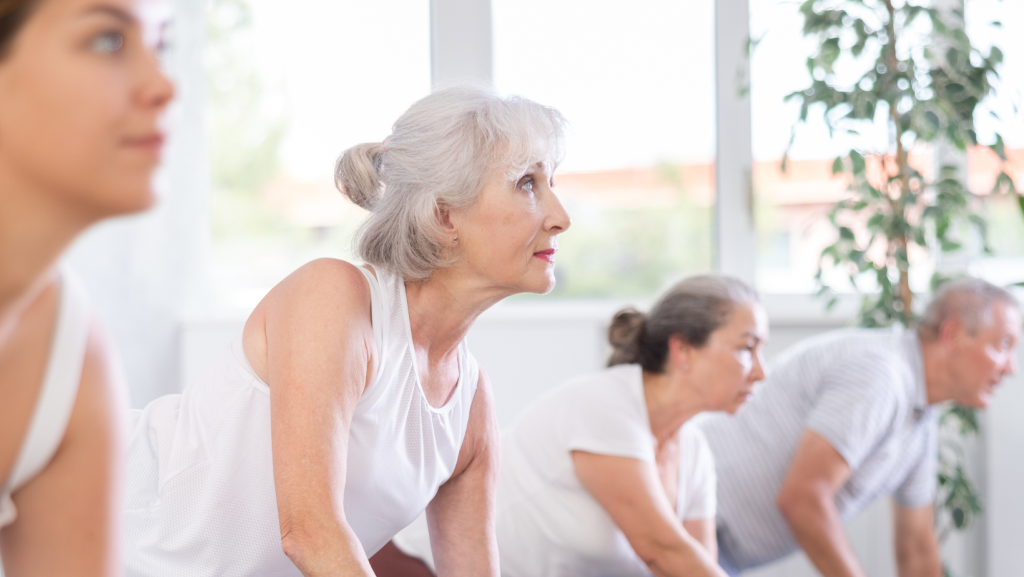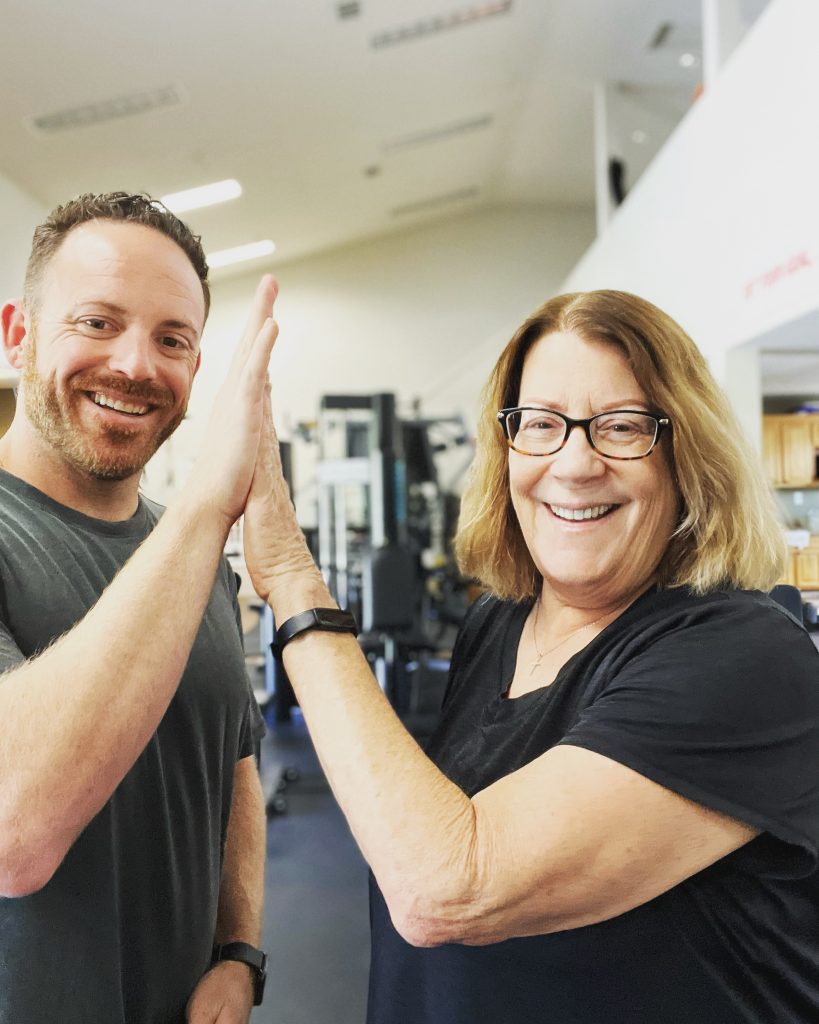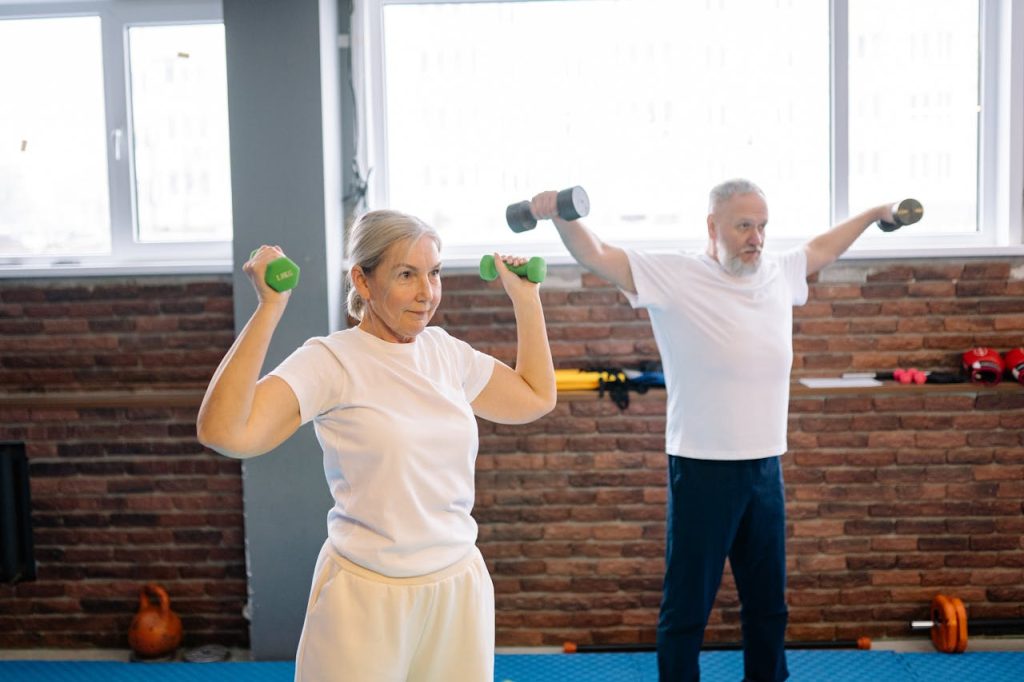

Key Takeaways
- Regular exercise underpins both physical and mental health for seniors, boosting emotional resilience, cognitive function, and overall well-being.
- When you commit to strength, balance, aerobic, and flexibility activities, you naturally develop self-confidence by boosting the power of your daily functions and minimizing the risk of falls or injury.
- Mindfulness and brain exercise keep seniors sharp and calm, further fueling confidence.
- Group activities provide camaraderie, emotional support, and a sense of belonging, which are important for senior confidence.
- Quantifying and reflecting on your progress with mood journals or confidence scales reaffirms a positive self-image and continuous motivation.
- Whether these barriers are physical limitations, motivation slumps, or fear of injury, we can overcome them with adaptive programs, realistic goals, and support from healthcare professionals and peers.
Self-confidence through exercise for seniors means that physical activity and basic training make the elderly more confident in themselves and their abilities. Some seniors find that even light walks, gentle stretching, or chair exercises can provide control and pride. Research indicates that active seniors tend to experience less stress, exhibit more vitality, and maintain a sunnier disposition. These little successes, like joining a walking group or mastering a new stretch, nourish self-confidence. These easy daily habits, such as morning stretches and a brief walk around the park, provide both structure and an uplifting sense of accomplishment without stress. In the following sections, discover how simple strategies and modest adjustments can forge powerful self-confidence through exercise for seniors.
Understanding Confidence After 60
Confidence is more than simply feeling good about your appearance; it’s about self-assurance, resilience, and belief in your ability to navigate life. After 60, factors like retirement, aging, health issues, or shifting social roles can challenge that sense of self. It’s normal to feel uncertain or hesitant, but these feelings are not permanent.
Research consistently shows that maintaining an active lifestyle supports psychological health, improves mood, and strengthens self-perception. Physical activity helps the brain produce endorphins and serotonin—key chemicals that reduce anxiety, combat depression, and foster emotional balance. By embracing fitness, you can regain control over your body, mind, and confidence.
The Mind-Body Confidence Link
Exercise sculpts both body and mind among older adults, infusing even the most ordinary days with a sense of mastery and satisfaction. The mind-body confidence connection is evident at all ages, but younger seniors (60–69) typically experience the greatest self-esteem benefits. Here is how physical activity supports physical and mental health:
- Strengthens muscles and bones, increasing power and stability
- Improves heart health and lung function, bringing more energy
- Reduces anxiety and depression symptoms
- Raises life satisfaction and self-efficacy
- Boosts mood and sharpens mental focus
- Supports positive self-image and body satisfaction
- Helps manage stress through regular routines
- Encourages social connections, lowering loneliness
Physical Mastery
Strength training builds muscle mass, making it easier to stand, walk, and lift. This sense of control over movement translates to increased confidence in day-to-day life. Monitoring strength gains, such as lifting heavier objects or striding longer distances, provides seniors with concrete evidence of improvement, boosting self-efficacy and confidence in their bodies.
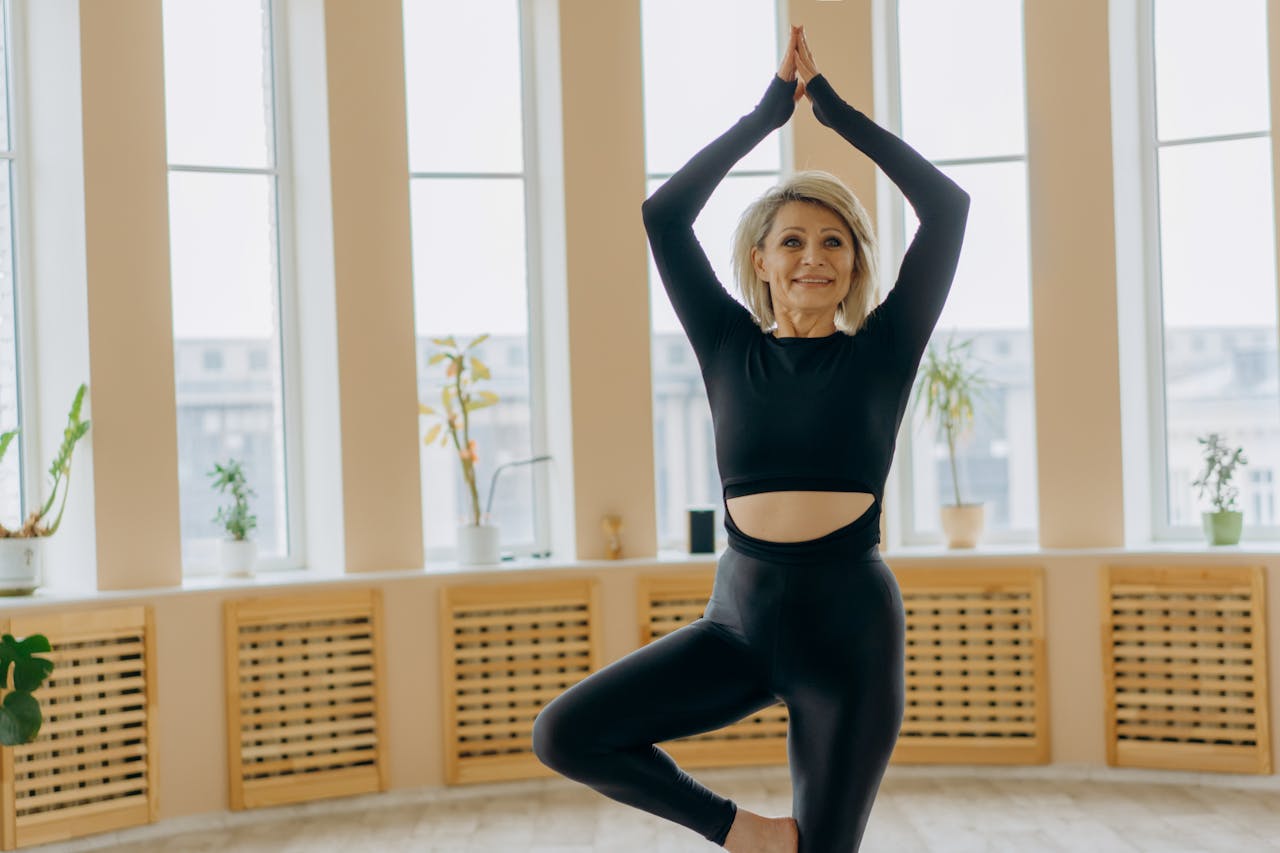
Balance exercises alleviate fear of falling. By practicing standing on one leg or utilizing a stability tool, such as balance pads, you can help increase coordination, which is key to independence. Even small gains can transform how seniors experience their days.
Aerobic exercises, such as walking at a brisk pace or swimming, enhance cardiovascular health and endurance. They are easy to begin and easy to modify for any ability. These activities keep seniors active without overwhelming them.
Mental Clarity
Mindfulness practices like meditation and yoga cultivate focus and tranquility. These practices train the mind to remain present, reducing stress and cognitive exhaustion. A ritual that pairs neurobics, such as solving puzzles, with exercise aids thinking clarity. Deep breathing decreases stress prior to exercise.
Okay, seniors with a regular mindfulness practice generally had an easier time managing anxiety and maintaining motivation.
Emotional Resilience
Exercise is an emotional support as well. Whether it is joining group classes or walking with friends, you build a sense of belonging. Naturally, any activities that provide joy—such as dancing or water aerobics—boost mood and keep seniors optimistic. Using exercise as a tool to manage stress can relieve loneliness or depression.
Exercise is still one of the best ways to cultivate grit and increase happiness.
Mindset Shifts That Amplify Confidence
Fitness alone can transform your body, but pairing it with a positive mindset supercharges your results, especially after 60. Developing the right mental approach is key to rebuilding confidence and sustaining a healthy lifestyle.
Embrace Self-Compassion. As you age, your body changes, and patience becomes essential. Treat yourself with kindness, acknowledge physical limitations without judgment, and celebrate what your body can do. Focusing on your abilities rather than perceived shortcomings fosters self-acceptance and boosts confidence.
Focus on Function, Not Perfection. Prioritize strength, balance, and stamina over appearance. Functional fitness improves mobility, daily independence, and overall quality of life, reinforcing a sense of empowerment.
Visualize Success Picture yourself completing workouts, walking longer distances, or lifting weights with ease. Visualization strengthens self-belief and motivates consistent effort, making goals feel achievable.
Shift From Comparison to Personal Growth. Forget societal standards or comparisons to younger individuals. Track progress based on your journey, and celebrate each milestone as a personal victory.
How Exercise Builds Senior Confidence
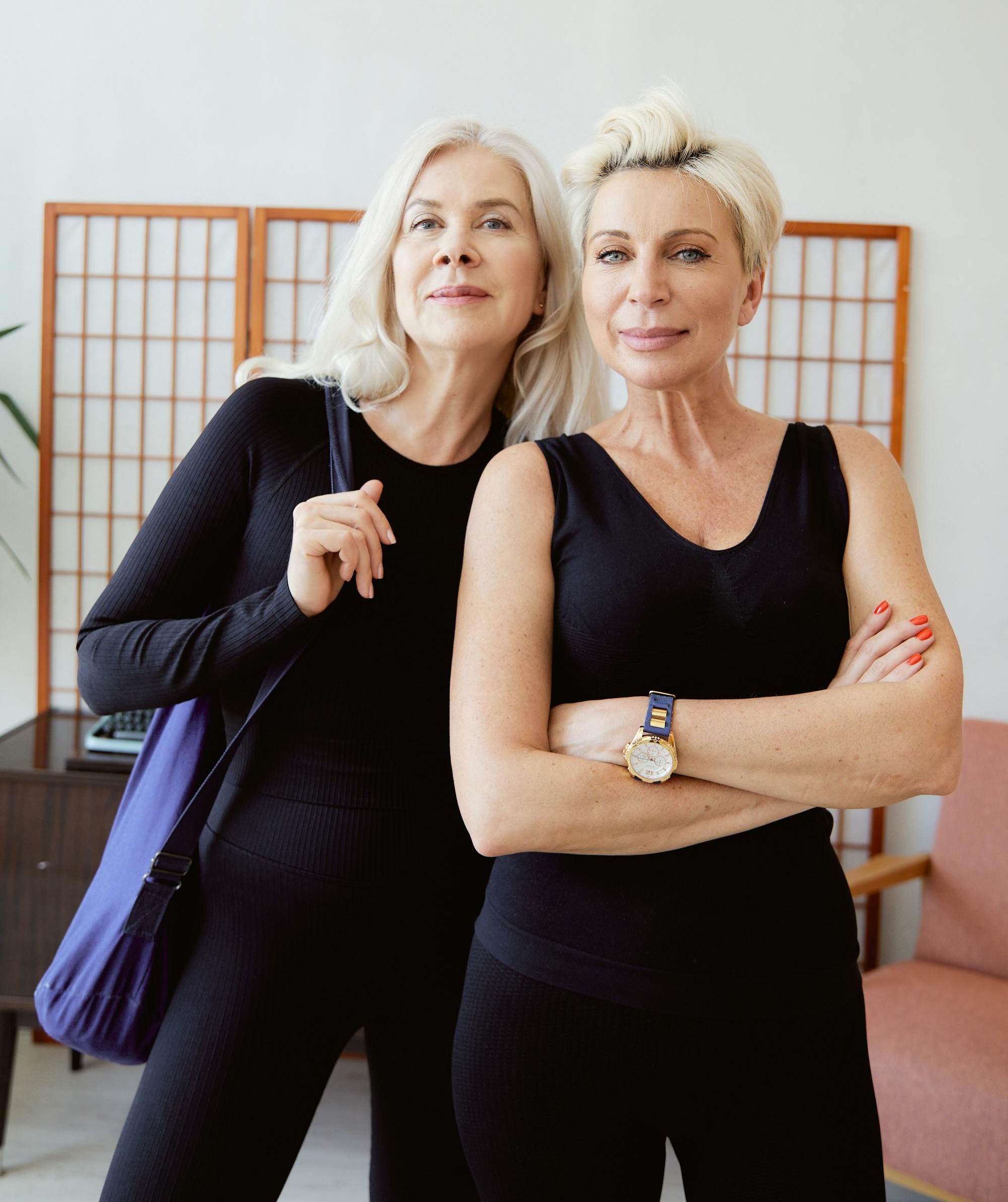
Exercise can build senior confidence in several respects. Habitual activity can amplify body image, mental acuity, and social connections. These build self-worth and support day-to-day independence.
Benefit | Description |
Better body image | Regular movement shapes how seniors see themselves, building self-acceptance. |
Improved cognition | Exercise helps the brain, making choices and daily life easier. |
Social connection | Group activities bring people together and ease loneliness. |
Higher independence | Fitness supports daily skills, letting seniors do more on their own. |
Sense of achievement | Reaching fitness goals boosts self-esteem and keeps motivation high. |
1. Renewed Independence
When seniors take up exercise routines centered on balance, mobility, and everyday activities, they can discover new liberty. These daily habits can assist them in navigating stairs, lugging groceries, or even standing up independently. Achieving tangible goals, such as walking an extra mile or mastering a new stretch, provides defined direction. Accomplishing these goals, regardless of scale, makes seniors feel empowered. Communities that provide easy classes or walks outdoors offer secure locations for practicing. Every achievement, whether a longer stroll or a new yoga pose, should be celebrated. This positive feedback supports the belief that seniors can trust themselves.
2. Enhanced Body Image
Exercise lets seniors observe these shifts in strength and stamina. When they achieve tiny goals, it can change their relationship with their bodies. Sharing stories, in person or online, broadcasts support and makes body positivity tangible. Gentle yoga is just one example of connecting with movement and building confidence in what the body can do. Peers who share their own progress can inspire faith and assist in embracing and taking pride in our journeys.
3. Improved Cognitive Function
Aerobic workouts, such as brisk walking or cycling, increase blood flow and cerebral health. Activities requiring focus, such as tai chi or group dance, keep the mind sharp. Activities that combine exercise and cognition, such as memory games with jumps, bolster cognitive and physical development. By tracking memory and attention alongside fitness results, you can demonstrate real progress and keep seniors engaged.
4. Greater Social Connection
Walking clubs, group classes, or dance lessons provide opportunities to mingle. Participating in activities or classes breaks isolation and often fosters new, enduring friendships. Discussing victories and swapping advice with fellow seniors fosters a sense of camaraderie and encouragement. Online groups or local boards are ways to find other people who care about fitness.
5. Sense of Accomplishment
Nothing builds pride like setting small, achievable, personal goals and tracking your progress towards them. Journals or charts allow seniors to visualize their progress. Local events or challenges provide new means to achieve goals. Pausing to celebrate these wins, large or small, builds genuine, durable confidence.
Finding Your Perfect Activity
The key to exercise is finding the right one for you — not just physically, but in terms of developing the confidence that comes with being in motion. Personal and practical, this process involves a lot of ways to evaluate what works for you personally and experiment without stress.
- Begin by jotting down what you like and what you don’t like in daily movement. Record your current health, any limitations, and your physical goals. Think about whether you enjoy groups or alone time. Feel inspired?
- Test your range of motion, balance, and stamina. Experiment with brief stints, such as 10 minutes, two times a day, to find what works most comfortably.
- Consult with a physician if you have any chronic health problems, pain, or questions about the safety of exercise.
- Try out different activities: swimming, cycling, walking, yoga, tai chi, or even chair aerobics.
- Pick what fits your social style, whether that is group classes or a peaceful at-home flow.
- Keep it loose, keep it enjoyable. It’s natural to be nervous about trying something new. Small increments, such as committing to one weekly class, can assist. Pay attention to your body and adjust pace or intensity accordingly.
- Make a list of routine-friendly activities: brisk walks, light resistance band workouts, gentle stretching, or home-based dance.
- Your choices should be informed by the four building blocks of fitness: mobility, strength, heart health, and flexibility.
For Mobility
Low-impact activities, like walking or water aerobics, are easier on your joints and reduce your risk of injury, even if you have limited mobility or joint pain. Chair exercises and slow, controlled stretches can accommodate all levels, and integrating resistance bands or light weights can increase strength and range of motion. This could include practicing simple balance moves like standing on one foot or heel-to-toe walks, which can help seniors become steadier and more confident with movement.
For Strength
Strength is the secret to maintaining muscle as we age. Easy bodyweight exercises, such as squats or wall push-ups, can all be performed at home. Resistance exercises decelerate muscle loss, and they assist with daily tasks. Others love group strength classes for the camaraderie and drive.
For Heart Health
Aerobic exercise, like fast walking, cycling, or swimming, pumps up your heart and combats disease. Doing these activities regularly keeps the heart strong. Track your progress and learn about heart-healthy habits to help you stay on track.
For Flexibility
Include stretching in your daily schedule to remain limber and reduce fall risk. Light yoga or tai chi assists with flexibility and calm. Classes combining stretching and balance are great for overall health. Flexibility aids your posture, movement, and daily comfort.
Building a Safe and Enjoyable Fitness Routine
Seniors often face barriers to exercise, but they can be overcome. With the right approach, older adults can build confidence through movement despite challenges like physical issues or fear of injury. Scheduling exercise and tracking daily activities helps identify the best times to be active. Many find that short bursts of activity, like a 10-minute walk or a few stair trips, are effective. Support from others, positive feedback, and setting achievable goals make exercising feel manageable and rewarding.
- Stint in at times when you have the most energy.
- Break exercise into short sessions—walking, stretching, stair climbing.
- Involve supportive friends or family for encouragement and accountability.
- Track progress with a visible chart or journal.
- Select enjoyable activities that match present capabilities, not former aspirations.
- Ask for modifications or try gentle classes if needed.
- Celebrate small wins to build a sense of accomplishment.
Physical Limitations
Physical limitations are a genuine issue for seniors, be it due to ongoing ailments or decreased movement. Adjusting workouts by replacing jump-heavy moves with gentle stretches or seated exercises can maintain activity safely. Working with your doctor can help develop a plan that aligns with your personal needs and medical advice. Several of these group classes for seniors provide modifications, enabling individuals to proceed at their own speed. An open, supportive environment can facilitate conversations about concerns and requesting accommodations, eliminating apprehension about being stigmatized.
Motivation Slumps
It’s difficult to stay motivated when progress is slow or when your routine feels stale. Setting new, realistic goals helps to keep things fresh. A plain chart on the fridge or a calendar with activities gives daily reminders and a sense of accomplishment. There’s something about sharing even small successes with friends or family that adds an encouragement factor. Sometimes, a buddy for your walk or class is just the key. Previous exercise experience is a powerful discriminator for persistence, so consistency counts.
Fear of Injury
For fear of injury, it can keep many seniors from staying active. Acquiring the fundamentals of safe movement, such as effective warm-ups and sensible progression, can alleviate some of these concerns. Supervised programs with expert instructors provide direction and rapid assistance if issues come up. Information on injury prevention and adaptive alternatives to different conditions is everywhere. Beginning slowly, listening to your body, and asking questions are ways to build confidence and mitigate risk.

The Strength of Community
The strength of community in empowering seniors through exercise develops confidence in themselves. When seniors enter community exercise classes, they don’t just gain access to organized workouts; they gain a sense of belonging. It is this belonging that is at the heart of less loneliness and better well-being. Whether it’s a walking club or group aerobics, community activities build social connections, encourage healthy aging, and enhance mental and physical well-being.
Shared Goals
Boost your motivation by setting community goals! When people come together for shared activities, like weekly walks or group yoga, it fosters a sense of belonging. Group workouts, such as water aerobics or dance classes, encourage support and accountability. Seniors are more likely to participate consistently when they rely on each other.
Organizing events or fitness challenges, like step-count competitions or group hikes, helps everyone work toward common goals. These activities not only promote exercise but also create excitement and a feeling of achievement. Reaching milestones together, like finishing a month-long challenge, strengthens community bonds and adds fun to the experience.
Mutual Support
Seniors’ support networks can keep exercise a habit. If a person misses a session, others can reach out and nudge them back. Story and advice sharing platforms — face-to-face or online — let members discover ways to conquer obstacles such as low motivation or small injuries. A few of these community programs even match newbies with experienced members, generating mentorship opportunities that increase confidence and ability.
One thing I’ve learned is that emotional support is just as important as physical encouragement. Just knowing that others are following and caring about their progress can help seniors stay committed to their routines. This constant push makes it simpler to persist even when motivation fades.
Lasting Friendships
Especially group exercise classes, they tend to kindle new friendships. Seniors bond over experiences, whether it’s pre-class warm-ups or strolls through the park. Community events, such as hikes or fitness fairs, generate more opportunities to connect.
Fitness-based social clubs provide seniors with an excuse to get together regularly. These communal bonds alleviate loneliness and isolation, with bonds forged during workouts resulting in improved mood and reduced depression risk. Robust community connections can reduce the likelihood of both disease and premature mortality.
Charting Your Inner Progress
Tracking personal growth is key to building confidence and maintaining motivation. By combining self-reflection tools, visual tracking methods, and simple daily habits, you can clearly see progress both physically and emotionally. From mood journals to confidence scales and personal milestones, these strategies help you identify areas for improvement and celebrate victories along the way.
Mood Journals for Mental Clarity
Keeping a daily mood journal is a powerful way to reflect on your emotional well-being. Record how you feel after workouts, moments of happiness, worries, and one thing you are grateful for each day. Over time, this practice helps you identify trends, such as feeling happier on days you exercise or maintain self-care routines like showering and brushing your teeth. Sharing insights with friends or support groups can spark meaningful conversations about mental wellness and strengthen social connections. Recognizing your moods and achievements, even small ones, nurtures self-compassion and emotional resilience.
Confidence Scales: Measure Your Self-Belief
Confidence scales are simple yet effective tools for self-assessment. Rate your confidence on a scale of 1 to 10 before and after workouts to track progress. This approach highlights days when you feel empowered and identifies when additional support may be needed. Use these ratings to set realistic goals, like increasing your confidence by one point within a month. Tracking your scores weekly provides measurable data and actionable insights, while sharing your progress with workout partners or family can boost accountability and motivation.
Personal Milestones: Celebrate Every Victory
Setting personal milestones helps you turn goals into tangible achievements. For fitness, this could mean completing 10 walks in a month, reaching a step goal, or hitting a new strength target. Visualizing these milestones on charts or graphs adds motivation and allows you to celebrate successes. Recording your workouts, sleep patterns, or energy levels in a notebook reinforces momentum, reminding you that even small victories—like choosing fruit over sweets or finishing a book—contribute to confidence and growth. Sharing milestones with friends and family enhances support and recognition, keeping your journey rewarding and inspiring.
Ways to Keep Your Motivation Going
Maintaining fitness and confidence after 60 requires consistency, patience, and smart strategies. Staying motivated over the long term is key to seeing results and feeling your best. Here are practical, proven ways to keep your momentum:
Track Your Progress: Monitoring your improvements in strength, flexibility, endurance, or energy can be highly motivating. Keeping a journal, using a fitness app, or taking progress photos helps you see tangible results, reinforcing your commitment and self-confidence.
Celebrate Small Wins: Every achievement matters, no matter how minor. Completing an extra set of exercises, walking an additional block, or mastering a new yoga pose deserves recognition. Celebrating these milestones boosts morale and encourages you to keep moving forward.
Mix It Up: Variety keeps workouts exciting and prevents boredom. Try new exercises, classes, or outdoor activities. Alternating routines challenge different muscle groups, improve overall fitness, and make exercise something to look forward to rather than a chore.
Seek Support: Having a fitness buddy, joining group classes, or participating in online communities provides accountability and encouragement. Sharing goals and progress with others increases motivation and makes the journey more enjoyable.
Listen to Your Body: Respect your body’s limits to avoid injury or burnout. Allow time for rest, recovery, and gentle adjustments when needed. Paying attention to how your body feels ensures sustainable progress and long-term confidence.
Conclusion
Exercise provides seniors with a hearty shot of self-confidence. Tiny triumphs, such as taking a few extra steps or signing up for a class, can make every day seem a little less heavy. Easy exercises, such as stretching or swimming, make the body feel less rigid and more vital. Others take pride in mastering new skills or staying ahead of friends during group classes. Anything is better than nothing, no matter how slow or gentle. Being active ignites new friendships and keeps your mind sharp. Seniors who keep moving smile more and worry less. For anyone seeking the strength to believe in themselves, a consistent exercise habit can unlock exciting opportunities. Tell your own or give it a try this week.
Frequently Asked Questions
How does exercise boost self-confidence in seniors?
It’s all about giving seniors a sense of confidence and strength. Frequent exercise boosts mood, body, and independence. This builds trust in one’s abilities and self-esteem.
What types of exercise are best for building confidence in older adults?
Light activities such as walking, swimming, yoga, and tai chi are wonderful. They’re joint-friendly and appropriate for almost any fitness level. If you’re to have the best success, pick something you like doing.
Can group exercise help seniors feel more confident?
Of course, group exercise provides camaraderie and motivation. There’s the social component of being part of a community, which can help to motivate seniors and ward off loneliness, another confidence-booster.
What if I face physical limitations or health conditions?
As always, check with your doctor before beginning. Most exercises can be adapted. Even a small stretch or movement can boost your confidence and well-being.
How can I track my progress to stay motivated?
Maintain a modest journal or mobile app log of activities and accomplishments. Honor these little victories, such as increased stamina and improved balance, as evidence of your growth.
How often should seniors exercise to see benefits for confidence?
It’s recommended that seniors get at least 150 minutes of moderate activity per week. Consistency is everything when it comes to developing benefits in self-confidence and health.
What should I do if I feel discouraged or unmotivated?
Identify measurable and achievable goals and celebrate little victories. Find encouragement from friends, family, or exercise groups. Remember that advancement is individual and all strides matter toward increased self-confidence.