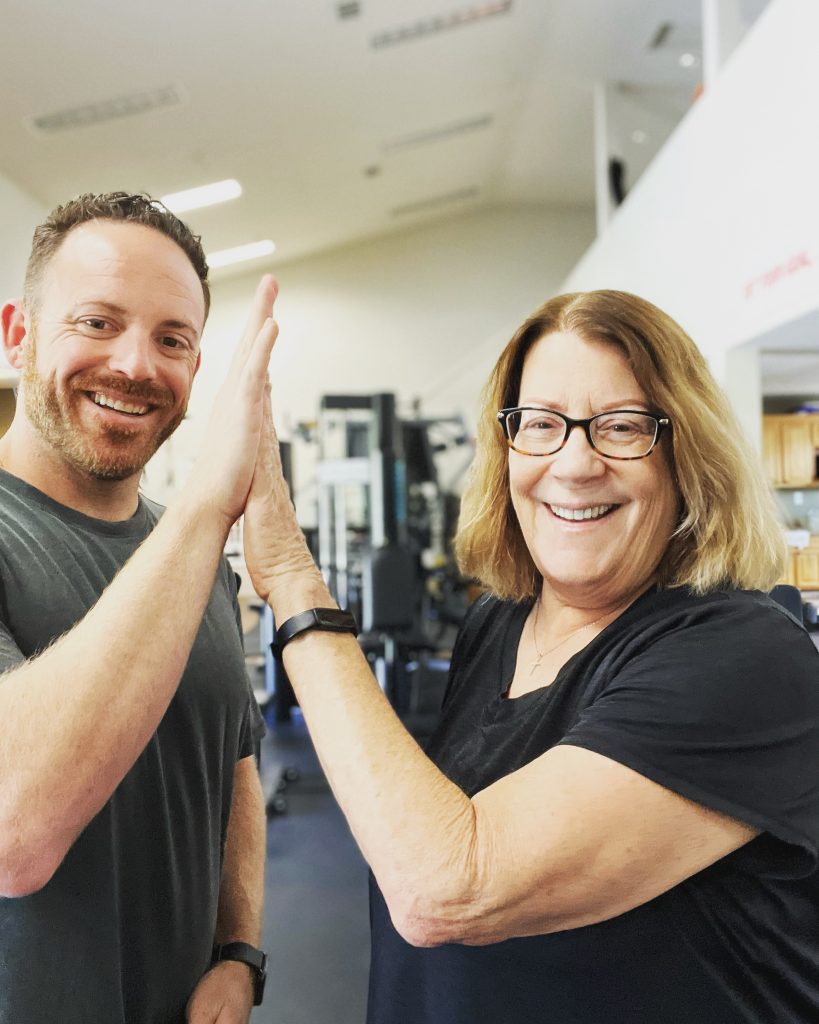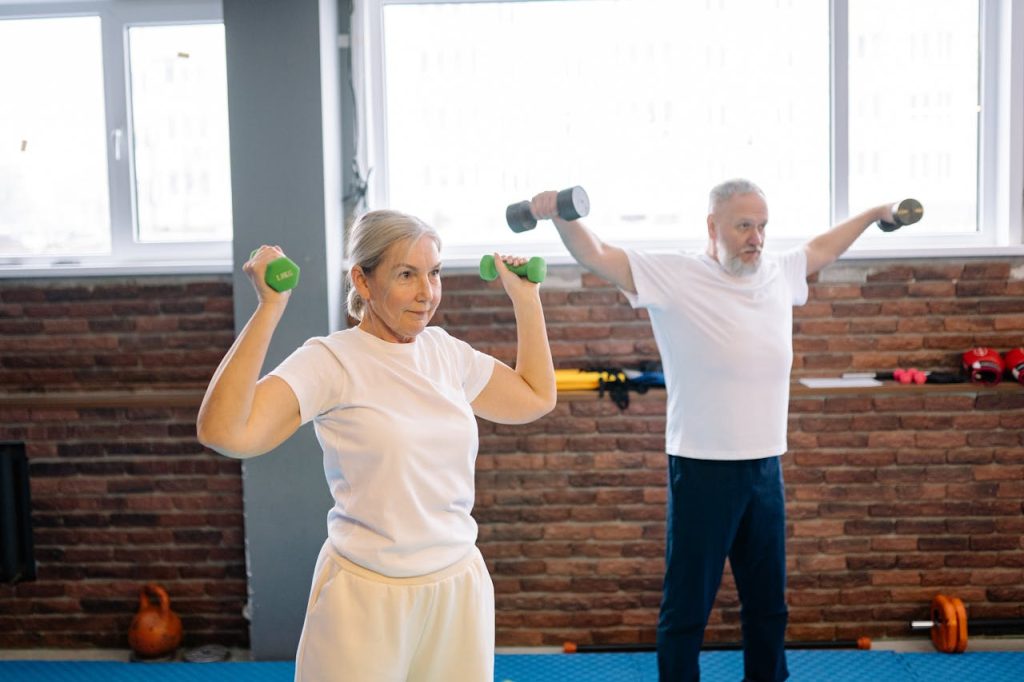

Our best first week workout plan for adults getting back into shape focuses on simple moves that awaken the body without strain. At Fitness Ellipsis, we recommend beginning with twenty minutes of walking or easy cycling on most days. Mix in fundamental stretches and a bit of light strength work, think bodyweight squats or wall push-ups. The rest of the days allow your body to heal and remain fresh.
What tends to work best are plans that:
- Use a combination of movement
- Build the habit
- Keep it safe
Defined targets and incremental advancement mean more than aggressive actions or marathon sessions. To assist grown-ups in smoothing their way into new habits, here’s how to schedule a week with balance, safety, and consistent progress in mind.

Key Takeaways
- Having good motivation and the right mindset before you begin your fitness journey keeps you on track, even when things get tough.
- By defining clear, numeric, and flexible targets, you will be able to measure your progress step by step and keep inspired, not only for your first week but for the long haul.
- By designing a designated, inviting, distraction-free workout space, you are committing to consistency, and collecting the necessary equipment creates an easy flow.
- By including a balanced mix of cardio, strength, and flexibility exercises throughout the week, you are promoting overall fitness and decreasing the chance of injury.
- Paying attention to your body, understanding the difference between discomfort and pain, and adapting intelligently are key to being safe and sustainable.
- Keeping up with important pre and post-workout rituals like hydration, stretching, and reflection helps support performance, recovery, and continued progress.
The “Before You Begin” Mindset
At Fitness Ellipsis, we believe every fitness journey starts in the mind. This step is all about clarifying your motivations, defining achievable goals, and cultivating a context that inspires you to persevere in your weekly gym workout plan. Each point below addresses an essential zone to assist you in progressing with greater concentration and less tension.
Your Why
This is the ‘before you begin’ mindset, ponder why you want to get back in shape as part of your fitness routine. Say, for example, that you’re looking for better health, more energy, or confidence through a comprehensive workout like a weekly gym workout plan. Write down your motivations on paper or your phone: seeing them makes them feel real. Talk to your friends or family about what you’re hoping to accomplish. Having others in the loop keeps you honest and can make you feel less isolated in the effort. Return to your reasons often, especially on hard days. Refer to your ‘Before You Begin’ mindset. This habit can help you stay grounded and remind you why you started, making it easier to keep your eyes on long-term success.
Your Goals
- Begin by dividing up your big objective into milestones. As an illustration, if your ultimate ambition is to drop 10 kg over the course of a year, then establish the more immediate target of shedding 1 kg every 4 weeks. This makes the trek seem less intimidating and allows you to track incremental progress.
- Something straightforward like body weight, strength, which refers to whether you can lift a specific amount of weight, or fitness test completion. Giving yourself a quick fitness check before you start and again every few months demonstrates real progress.
- Tweak your objectives as you get to know your body and your thresholds. If you require a rest day, great. You may need to reduce your pace or shift your attention, and that’s fine.
- By logging your workouts and activity daily, you can assist yourself in identifying opportunities to be active or carve out rest, both of which are critical to advancement.
Your Space
Select a location, whether it be at home or a local gym, where you can exercise without interruption. A clean, specific space makes it more difficult to blow off workouts and easier to build a habit. Gather essential equipment that fits your strategy, such as a mat, bands, or dumbbells. Nice lighting and a cozy temperature make the space more tempting and help you hang in there. If possible, recruit a friend to join you or at least touch base on your progress. Accountability does the trick. Consistency matters most because even 10 to 14 days of inactivity will decelerate your progress. Having a weekly gym workout plan or a fitness routine helps you feel prepared and stay focused.
Your First Week Workout Plan
The right plan during week one gets adults back into shape safely and creates habits that support consistent training for a lifetime. Stirring up some cardio, strength, and flexibility work addresses all fitness bases, and allowing your body to recover between sessions reduces injury risk. Here’s an overview of a no-nonsense, no-fluff, no-excuses first week schedule, with every day keyed to a single focus for comprehensive progress.
| Day | Focus | Workout Type | Duration (minutes) | Intensity |
| Day One | Foundation | Bodyweight, Core, Mobility | 25-30 | Low |
| Day Two | Gentle Strength | Resistance, Dumbbells | 20-25 | Low-Mod |
| Day Three | Active Recovery | Walking, Yoga, Stretching | 20-30 | Low |
| Day Four | Functional Strength | Bodyweight, Compound | 25-30 | Mod |
| Day Five | Heart Health | Cardio (cycling, brisk walk) | 20-30 | Mod |
| Day Six | Full-Body Flow | Pilates, Yoga, Stretch | 20-25 | Low |
| Day Seven | True Rest | Stretch, Mindfulness | 15-20 | Very Low |
1. Day One: Foundation
Begin with five minutes of controlled dynamic stretches, such as arm circles and leg swings. Then, fundamental bodyweight exercises like squats, push-ups, lunges, and planks form a solid beginner workout plan to enhance core stability and muscle activation. Supplement with light core work like bird-dogs or dead bugs to reinforce posture and prevent strain on the back. Finish with static stretches for the legs, hips, and back to help cool down and support your fitness routine.
2. Day Two: Gentle Strength
Light resistance training is essential for beginners to help muscles grow without overload. Incorporate light dumbbells or bands into your beginner workout plan for exercises like shoulder presses, bent-over rows, and glute bridges, effectively targeting all muscle groups. Prioritize good form over the weight you lift and consider resting longer between sets to maintain a safe and effective weekly gym routine.
3. Day Three: Light Activity
Easy movement, such as a 20-minute walk or some light yoga, helps get the blood pumping and supports muscle recovery. Incorporating mobility exercises for the hips and shoulders is beneficial. Take it easy on the pace during your cardio routine, using this time to reflect on your fitness goals and adjust your weekly gym workout plan for future sessions.
4. Day Four: Functional Strength
Body resistance movements like step-ups, wall sits, or pushups emulate everyday motions and can be included in a beginner workout plan. Compound movements, like overhead squats, work multiple muscles simultaneously, enhancing your strength training routine.
5. Day Five: Heart Health
Cardio workouts, such as using a stationary bike, quick walks, or easy jogs, elevate your heart rate and enhance endurance. Maintaining an even medium speed is crucial, allowing you to log your exertion while staying in talking shape. These easy cardio sessions develop stamina without taxing the body.
6. Day Six: Full-Body Flow
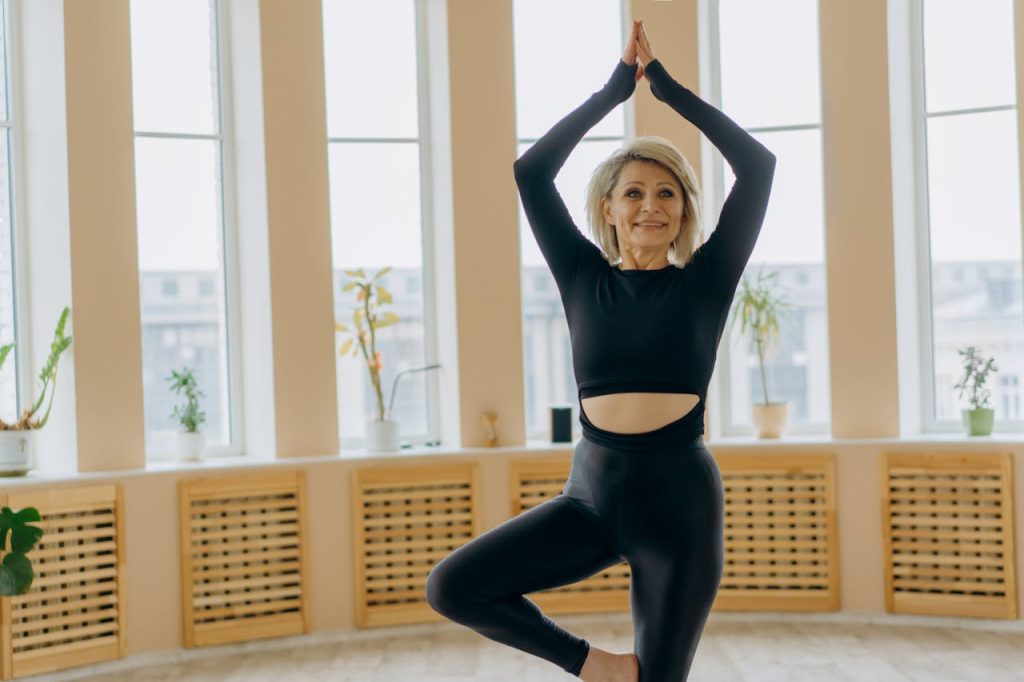
Mix in some stretching, core workouts, and balance drills for a well-rounded workout routine. Incorporating Pilates bridges or yoga sun salutations can help develop control and flexibility. I let movements flow together for a graceful session and conclude with deep breathing or meditation to unwind.
7. Day Seven: True Rest
Take this day for a full recovery as part of your weekly gym workout plan. Light stretching or slow breathing can relax tense muscles, helping you reset before your next workout routine. Check in on your week and consider little goals for next week’s fitness plan.
Essential Pre-Workout Rituals
Getting back in shape as an adult is about more than just choosing a beginner workout plan. Success begins with your pre-workout rituals. These pre-workout habits prepare your body and mind for exercise, reduce the potential for injury, and ensure you maximize every workout. A good ritual, in short, helps cultivate the right habit. This makes the workouts a little less like a chore and a little more like a weekly gym routine you can keep.
- Hydrate: Drink a minimum of 500 ml of water 30 to 60 minutes before your workout.
- Grab a mini snack like a banana, yogurt, or an ounce of whole-grain bread.
- Walk or light jog for 5 to 10 minutes before you begin your lifting or intense cardio.
- Opt for dynamic stretches like arm circles, leg swings, or gentle lunges.
- Do a few sets of easy bodyweight exercises such as squats, push-ups, or jumping jacks.
- On rest days, engage in light walking or gentle stretching for five minutes to maintain muscle flexibility.
- Station to calm your nerves or spend a few moments taking deep breaths and focusing.
- Establish workout goals to keep motivated.
Pre-hydrating is one of the easiest, yet most ignored steps. It keeps you cool by regulating your body temperature and assisting your muscles. Dehydration causes premature exhaustion, cramping, and even light-headedness. For most adults, 500 ml prior to working out is a good baseline, but this can be adjusted for climate or individual need. Many may sip on water during the workout, but beginning already hydrated makes a greater difference when following a weekly gym workout plan.
Fueling with a light snack is equally important, particularly if you haven’t eaten for several hours. The idea is to increase blood sugar, but not feel lethargic. A banana, a half-cup of oatmeal, or a slice of whole-grain bread provides sufficient fuel for a traditional first-week workout. Stay away from heavy, greasy, or sugary foods that may upset your stomach or cause energy crashes.
Warming up isn’t just tradition, but it serves a distinct purpose. A 5-10 minute warm-up at low resistance, such as easy walking or spinning, primes the heart and inflates the blood for muscle delivery. Short bouts of light cardio for 2-3 minutes can do the trick. Dynamic stretching, such as arm swings or light lunges, will loosen up stiff joints and get the body primed for movement. On rest days, light walking or stretching prevents muscles from tightening and accelerates recovery. These pre-workout rituals prevent muscle strains and increase endurance by pumping more oxygen into the muscles. You have to work your way up to actual workouts, giving the body some time to adjust, which reduces injury or burnout risk.
Crucial Post-Workout Practices
These post-workout steps are just as key as the workout itself for adults re-committing to fitness. This phase can determine how effectively your body recovers, develops, and prepares for the next workout in your weekly gym routine. Taking care of yourself post-workout reduces injury risk and makes you feel great, not beat down, as you establish a new exercise program.
Do’s:
- Stretch big muscle groups you just worked on.
- Rehydrate with water or a sports drink.
- Eat a combination of carbs and protein within an hour.
- Roll out tight muscles with a foam roller or massage tool.
- Sleep like a baby between workouts.
- Record your gains in a journal or app.
- Employ active recovery, such as walking or yoga, on days off.
Don’ts:
- Skip stretching or warm-down.
- Ignore thirst or postpone rehydration.
- Pig out on junk after training.
- Ignore tender points or muscle ‘knots’.
- Overdo it without allowing your body to recover.
- Depends solely on the scale.
- Remain sedentary on recovery days.
Once you’ve completed your workout, decelerate with a warm-down that helps your heart rate decrease in a controlled manner. Stretch the muscles you used most, for example, legs after a run or arms after strength training, to feel loose and reduce the risk of next-day soreness. Static stretches, held for 15 to 30 seconds, work best at this point. Foam rolling is another smart addition to your fitness routine. It aids in breaking up muscle adhesions and increasing blood flow, thereby reducing the chances of soreness.
Refueling comes next. Water is perfect, but if you really sweated it out, something with electrolytes might come in handy. Post-workout, eat a protein andcarb-richh meal or snack within 30 to 60 minutes, like a bowl of rice and beans or some yogurt and fruit. This duo rebuilds muscle tissue and restores your vitality more quickly, supporting your overall fitness goals.
Give yourself a moment after your workout to reflect. Note what felt strong and where you felt fatigued. Recording things such as how much you lifted, how far you walked, or how you felt at the end allows you to identify patterns, set goals, and track progress. Celebrating the little victories, maybe you held that plank 5 seconds longer or managed an extra rep, is what keeps you committed to your weekly gym workout plan.
Listening To Your Body
Listening to your body is essential to a safe and effective return to fitness, especially when following a beginner workout plan. Self-awareness while exercising enables you to notice warning signs of stress, avoid injury, and make decisions that foster your well-being. By listening to your body, you develop trust in yourself and your needs, which is crucial for a comprehensive workout routine and results in healthier decisions with fewer episodes of burnout or chronic sickness. This is both physical and emotional as you take care of yourself with journaling, meditation, or mindful movement to develop a closer relationship with yourself.
Pain Vs. Discomfort
Soreness is a common exercise side effect, particularly following a layoff from your weekly gym routine. Sharp or stabbing pain is not normal and should never be overlooked. Muscle fatigue, experienced as a dull ache or heaviness, frequently indicates that your muscles are exerting themselves or adjusting to a new exercise program. Injury pain, on the other hand, is sharp, persistent, and can be accompanied by swelling, bruising, or loss of mobility. If you’re experiencing mild discomfort or tightness, adjust the workout routine, shrink the range of motion, or slow your pace to give your body a chance to adjust. If you experience any persistent pain that doesn’t calm with rest or modification, bring it to the attention of a qualified coach or medical expert for evaluation.
Checklist For Recognizing Discomfort Vs. Pain
- Discomfort: dull, mild, fades with rest
- Pain: sharp, sudden, worsens with movement
- Modifythe exercise if unsure
- Stop if pain persists
- Seek professional help for ongoing symptoms
Smart Modifications
Modifying your workout routine is not a sign of weakness; instead, it’s a savvy approach to achieving long-term fitness goals. If you’re feeling tired or stiff, consider switching to lighter weights, fewer reps, or easier variations of the same movement. Select exercises that correspond to your current fitness level, such as bodyweight squats instead of weighted ones. You can also experiment with other moves, like wall push-ups instead of floor push-ups, that engage similar muscles with less strain. Many beginner workout plans offer modifications, helping you customize your weekly gym workout plan to your specific needs and continue to advance.
When To Stop
Schedule a specific workout time within your weekly gym routine. Thirty to forty minutes is sufficient for the majority of beginners. Be alert for indications such as dizziness, nausea, or lack of coordination and cease once any manifest. Listen to your body, and if you’re feeling weak or uncomfortable, pause or stop the session. Say yes to health and recovery, not just performance. Rest days are included in this balanced equation, allowing your body the occasional time off to adjust and strengthen.
Beyond The First Week
Expanding on the scaffolding created in week 1, it’s now time to frame a weekly gym workout plan that maintains this momentum. A good workout routine keeps you committed to your fitness goals, allowing you to crank it out day after day. Variety is the spice of life, even when it comes to exercise. For adults looking to get back in shape, introducing more types of moves and gradually increasing the difficulty is critical. The table below shows a range of exercises, starting easy and getting more complex:
| Exercise Type | Beginner Example | Next Level Example | Advanced Example |
| Strength | Bodyweight squats | Dumbbell lunges | Barbell deadlifts |
| Cardio | Brisk walking | Jogging | Interval running |
| Mobility | Neck and shoulder rolls | Dynamic stretching | Yoga flow |
| Functional Fitness | Step-ups | Farmers carry | Turkish get-up |
| Core | Plank (knees down) | Standard plank | Hanging leg raises |
New moves keep the workout experience fresh. It keeps you from getting bored and shakes up your muscle groups. For instance, mix in swimming, cycling, or dance. Both choices provide a respite from the typical gym grind and assist in working the physique in fresh directions. Switching the plan decreases the oddsthat you will skip your workouts.
Establishing longer goals provides you with a target to shoot for. That might be running 5k without stopping, lifting a certain weight, or even joining a local sports league. It helps to track these goals with either a notebook or a simple app. For most adults, three to four days of strength training a week with days off or light movement, like walks or stretching, supports muscle growth and recovery.
It can’t hurt to join a group class or find someone to work out with. Either of these options adds additional support and makes it easier to maintain the plan. Group classes or training support at Fitness Ellipsis can help maintain accountability and motivation.
Conclusion
Nothing feels more brutal than starting from scratch with a workout plan. That initial week lays the foundation. Small steps work best. Baby steps, like a brisk walk or some easy stretches, really add up. Muscles require rest as well, so take breaks. Your body talks. Tightness or aches mean to slow down. Water and good food energize. There is no hurry to hard schedules. Progress manifests as better sleep, increased energy, and a clear mind. New habits require days, not hours, so keep at it. Employ a basic log or app to record every step. Trade tips with friends or online communities. Be inquisitive, be inquiring, and be positive about your victories. To stay motivated, mix in new moves next week and continue your focus on easy wins.
Frequently Asked Questions
1. What Is The Best Way To Start Working Out After A Long Break?
Start with a beginner workout plan that includes light, full-body workouts. Aim for consistency over intensity to help your muscles adjust and minimize injury risk.
2. How Many Days Should I Work Out In My First Week Back?
Shoot for a weekly gym workout plan of 3 to 4 days in week 1. This is just enough to generate momentum and allow your body to recuperate.
3. Should I Stretch Before Or After My Workout?
Incorporating light movement warm-ups before your workout routine and static stretching afterward will help you stay less sore and improve flexibility.
4. What Should I Eat Before A Workout?
Have a light, carb and protein-rich meal 1 to 2 hours before your workout routine, as it fuels you and aids in muscle recuperation.
5. How Do I Know If I Am Pushing Myself Too Hard?
Take a cue from your body during your beginner workout plan. If you feel sharp pain, severe fatigue, or dizziness, pause and rest to ensure your fitness routine is safe.
Get Started With Fitness For Beginners Over 50 At Fitness Ellipsis!
Ready to feel stronger, healthier, and more confident after 50? At Fitness Ellipsis, we know that starting (or restarting) a fitness routine can feel intimidating, especially if it’s been years. That’s why we focus on beginner-friendly coaching that meets you exactly where you are, with a plan that feels realistic, safe, and motivating from day one.
Whether you’re brand new to exercise or getting back into shape after a long break, our experienced coaches provide personalized fitness assessments and age-appropriate programs designed for adults over 50. From building strength and improving mobility to boosting energy and supporting long-term wellness, we help you create a routine you can actually stick with. Don’t let uncertainty hold you back. Join the Fitness Ellipsis community and take the first step toward feeling better in your body again. Connect with us today and let’s build your fitness foundation the right way.