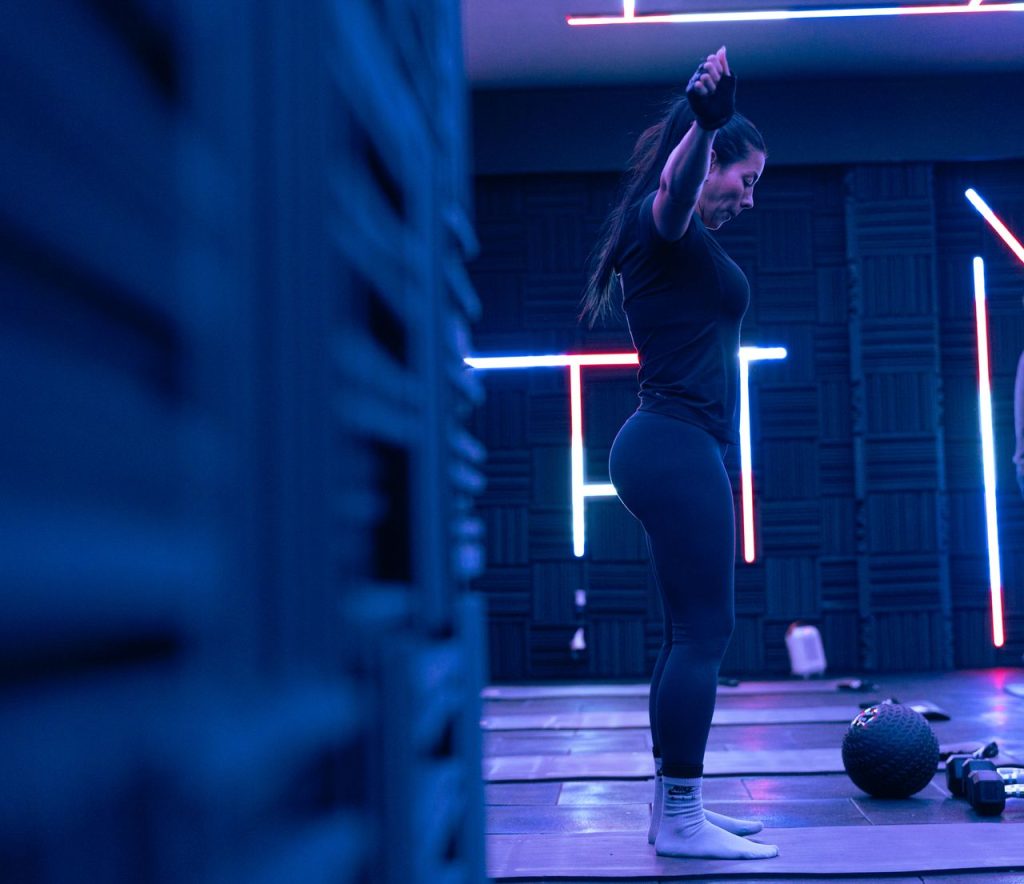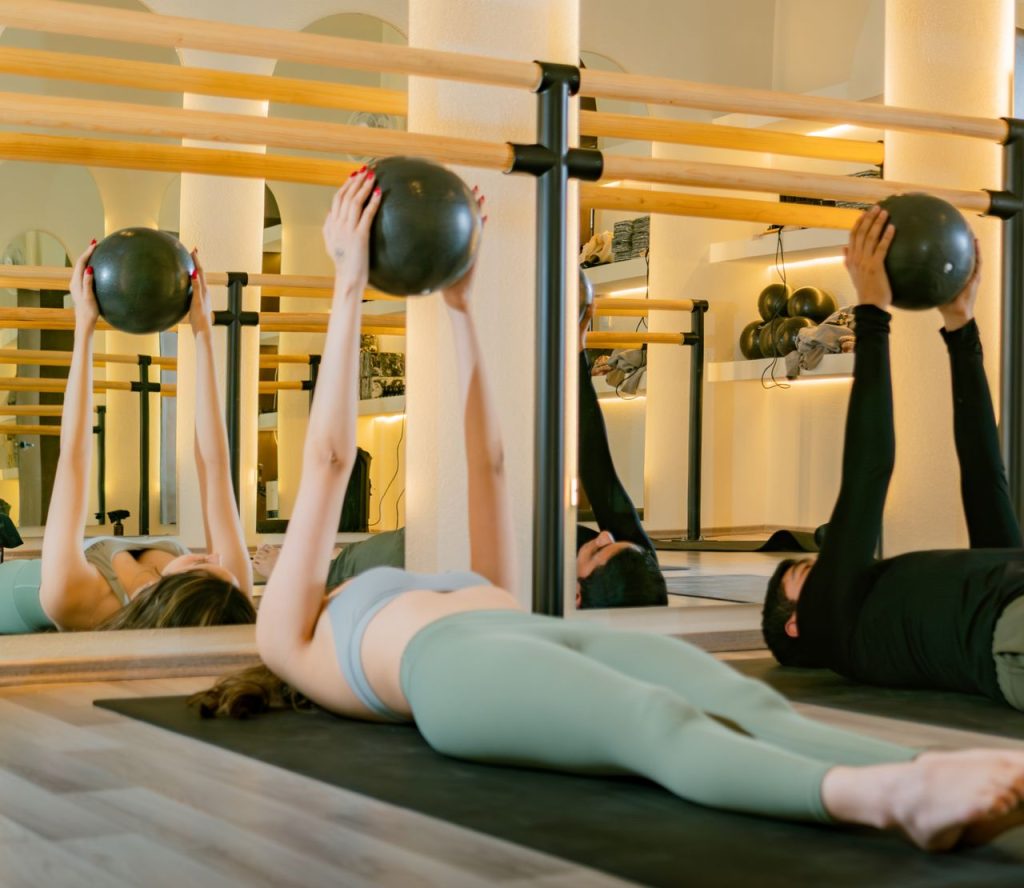

We all feel out of place when we walk into a gym for the first time, and it doesn’t really get any better as we get older. Defined goals and no-pressure sessions establish the momentum for consistent gains. Looking good, feeling good, and choosing the right time to exercise can make the gym space less intimidating. Nice staff and trainers are there to help with tips and encouragement, so feel free to ask questions. To get you started, the next sections present real second wind options, micro shifts, and pro tips for those 50 and older who want to get strong and comfortable.
Key Takeaways
- Acknowledging gym anxiety as a normal part of the process for those over 50 is the most important thing you can do.
- By embracing your own journey and emphasizing progress over comparison, you cultivate a mindset that’s not only healthier butalso encourages longevity.
- Recognizing your current fitness level and acknowledging the body’s physical realities ensures you don’t get injured and that you adapt slowly and safely to your new courses of action.
- Creating a supportive environment, whether by hiring a coach, finding a partner, or enrolling in group classes, can minimize social pressures and boost motivation.
- Creating a rigid but adaptable first-week plan of varied cardio, strength, and flexibility work sets you up for consistency and trackable progress.
- Mindset comes first. Establishing reasonable goals, being kind to yourself, recognizing and rewarding consistency, plant the mental seeds that maintain motivation.
Acknowledge Your Gym Anxiety
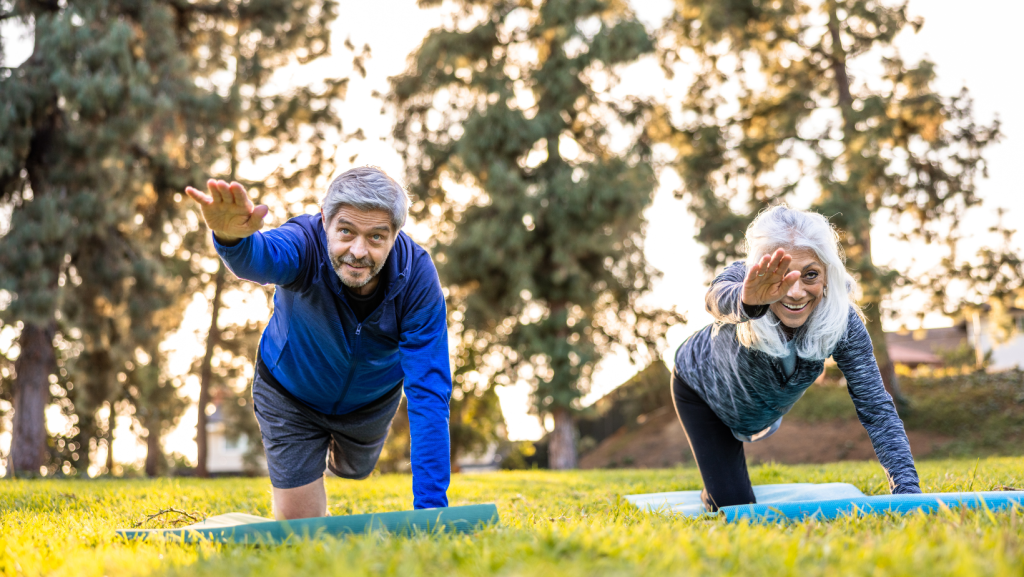
Gym anxiety is far from uncommon, especially among older adults. Many seniors experience it, frequently stemming from self-doubt, apprehension about being judged, or concerns about body image. These feelings are normal and justified, whether it is uneasiness with the equipment, generational differences, or simply not feeling comfortable in today’s fitness center culture. Acknowledging these feelings is the first step to overcoming gymtimidation and embarking on a successful fitness journey.
| Feeling | How to Address It |
| Fear of judgment | Focus on personal goals and progress |
| Body image concerns | Choose comfortable clothing, celebrate small wins |
| Equipment uncertainty | Ask staff for help, start slow |
| Generational gap intimidation | Connect with peers, go during quieter hours |
| Embarrassment | Practice positive self-talk, set realistic goals |
The 50+ Experience
We have been conditioned to believe fitness is for the young. Hence, adults over 50 feel out of place at the gym. This pressure can feed imposter syndrome, particularly when you find yourself among youthful, techno-savvy gym rats.
Owning your path is important. Your journey is unique. Emphasizing progress over perfection enables you to define your own markers. This mentality minimizes panic and increases assurance.
Exercise enhances mood, mind, and longevity in seniors. Even small moves, like walking or light strength work, can make a difference. There are hundreds of tales of individuals over 50 who felt wobbly but gained solid ground, frequently turning into role models in their own right.
Physical Realities
Aging has tangible impacts, such as muscle atrophy, delayed recovery, and joint stiffness, but that’s life, not an obstacle. Nothing like knowing where you stand. Before beginning, establish your existing fitness level, either on your own or with a professional.
Pay attention to your body. If you hurt, stop. Rest is equally valuable to motion. Injuries can put you behind, so slow and steady wins the race.
Gain strength and stamina with small modifications. Accept your gym phobia.
Social Pressures
Junior gym rats can make it an intimidating environment. It’s a cinch to fret about being judged or sticking out. This phobia can prevent you from turning up in the first place.
Accept Your Gym Fear. Even if you encounter only one other sympathizer or a helpful employee, you will experience the sensation of being noticed, not stigmatized. Many gyms have beginner classes or silent hours. Take advantage of these.
It rarely helps to compare yourself to others. If you stay focused on your own journey, the confidence will come with every visit.
How To Overcome Gym Anxiety
A lot of us are nervous about beginning at the gym, particularly after age 50. Just knowing that others feel it can help alleviate gymtimidation. By chunking this process, it is easier to build confidence and establish a sustainable fitness routine.
- Actionable Steps to Tackle Gym Anxiety
- Take a look around the local gyms before you sign up. Scout for friendly staff, cleanliness, and equipment that suits you.
- Set bite-sized goals for each visit. It may be walking one point five kilometers on a treadmill or mastering a new exercise.
- Try meditation or deep breaths upon entering the gym. This helps silence anxious thoughts.
- Sport comfy clothes in dark, sweat-wicking fabrics. If you’re feeling good in your outfit, it will give you an added dose of confidence.
- Bring a buddy or partner to join you or register for a class group.
- Begin with brief workouts, maybe 20 to 30 minutes a couple of times a week, and gradually increase.
- Reframe negative thoughts. Remind yourself, ‘I belong here’ and chase improvements, not perfection.
- Try CBT if anxiety is still high. CBT can assist you in recognizing and altering anxious thought processes.
Personal Motivations for Starting a Fitness Routine.
Better health, increased energy, and enhanced mobility motivate many people to begin training workouts. Some are looking for improved mental focus, while others want to be a good role model for family members. There is a sense of accomplishment and the desire to really want to grow old with independence.
Set Realistic Expectations
Don’t shoot for large transformations immediately. Begin two or three times a week with group fitness classes. Celebrate mini victories, whether it’s conquering a new machine or completing a workout. This reduces stress and keeps the momentum going.
Use Mindfulness Techniques
Mindfulness might be as easy as taking five slow, deep breaths before you walk in. You can do a 5-minute guided meditation. These steps soothe nerves and ground your focus.
1. Scout Your Location
Go visit local fitness centers in your area. Check if they have friendly staff, user-friendly equipment, and a relaxed atmosphere. Some gyms even offer fitness classes designed for older adults, making the experience less intimidating. Choosing a location that’s convenient simplifies your fitness journey.
2. Schedule Off-Peak
Go during quieter hours, like late morning or early afternoon, to alleviate gymtimidation. There’s less pressure and more room to go at your own speed when there are fewer people, allowing you to focus on your training workouts. Observe the rhythm of the fitness center when it’s deserted to become familiar with where things are, making your next gym session more enjoyable.
3. Hire A Coach
A personal trainer specializing in seniors can create a tailored fitness routine for you. They demonstrate how to use each machine safely and walk you through effective training workouts, allowing you to achieve your fitness journey goals without sustaining an injury.
4. Find A Partner
A buddy provides camaraderie, encouragement, and giggles, making your fitness journey more enjoyable. Group fitness classes can transform the gym into a social hangout, alleviating gymtimidation and fostering commitment.
5. Wear Comfort
Select comfortable workout clothes and accommodate your motions. Breathable, sweat-wicking tops and well-fitted shoes go a long way in easing gymtimidation and enhancing your overall fitness routine.
Your First Week Blueprint
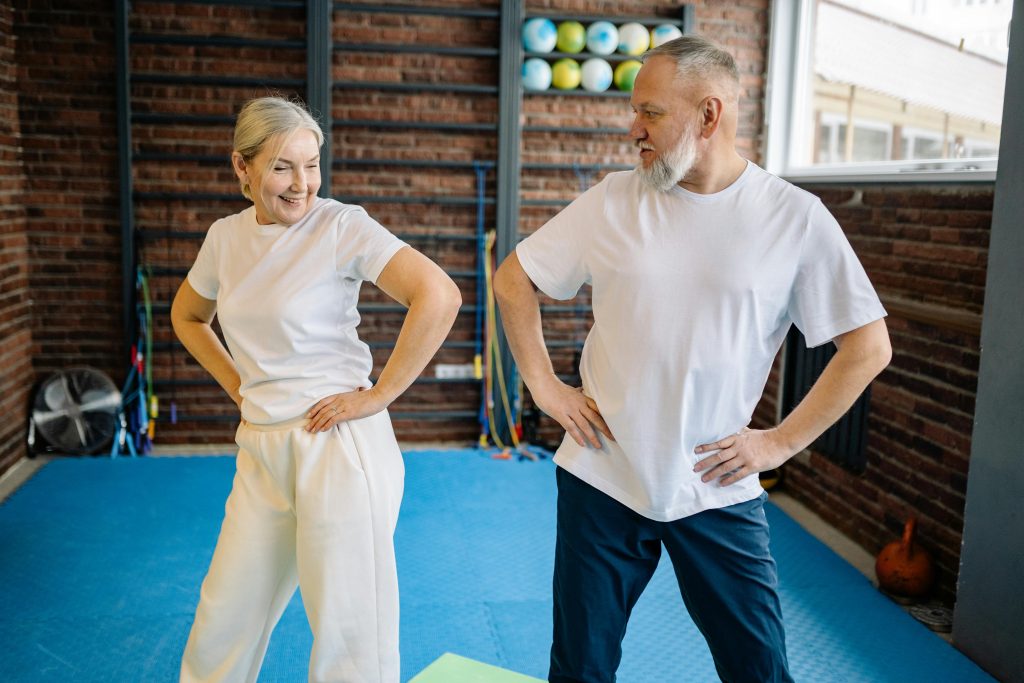
Getting into a fitness routine after 50 can give new life to your existence! A clever strategy helps you overcome gymtimidation and develop habits that endure. Your First Week Blueprint should include jotting down your ambitions, choosing three gym days, and figuring out which training workouts you’ll experiment with. Incorporate a mix of cardio, strength, and flexibility work. Track your progress, as tiny victories, whether it’s just making an appearance or extending your walk a few minutes, count. Over time, these steps build confidence and lead to consistent progress, regardless of where you begin.
Visit One
Come in with the intention of getting to know your environment. Discover the locker rooms, water stations, and exits. Pay attention to which machine is where and read any posted instructions or diagrams. Observe, but don’t compare. Observe how they use treadmills, bikes, and stretching mats. Use this time to notice what seems interesting or feasible for you.
Start with ‘light weights’. Walk slowly on the treadmill for ten minutes or on a stationary bike. Start with five minutes of easy stretches. Try a chest opener or hamstring stretch for 15 seconds each. When done, reward yourself. The secret is graduating with pride for having begun, no matter how little you accomplish.
Visit Two
Test a couple of primitive movements to enhance your fitness journey. For example, use the chest press machine or do bodyweight squats. If you’ve never used a machine, have a staff member demonstrate safe form to alleviate any gym anxiety. Try things out and maybe you love the rowing machine or discover that free weights aren’t so intimidating after all. You could do a light set of biceps curls or leg presses to integrate into your training workouts.
Incorporate some light resistance work into your fitness routine. Choose a weight that you can perform 10 to 12 reps with in nice form. Pay attention to your bodily sensations during and after each workout. If you’re sore or tired, take a rest and recalibrate for your next gym session.
Think about what felt right or hard during your workout. Did you enjoy a specific movement? Did something irritate your joints? Apply this feedback to your next visit to ensure a successful workout experience.
Visit Three
Now you can go a little further. Take your treadmill walk for fifteen minutes or introduce one new exercise like assisted pull-ups or beginner yoga. Something new adds spice and keeps it fresh.
Focus on technique. Hold your head high during your squats and maintain a tight core. Posture minus injury is increasingly valuable as you age. This is when you might try a “superset”: pair two exercises, like push-ups and rows, with minimal rest. Supersets are a time saver and intensity booster.
Celebrate your hard work. Three visits in a week is a great start! Record your momentum in a log or app. Celebrate the habit, not just the outcomes, because fitness is about incremental, sustainable transformation.
Smart Training For Longevity
Longevity-based fitness stands on four main pillars: muscle, mobility, metabolism, and mindset. For adults beginning or returning to fitness post-50, it’s not just about orbiting more years,s but it’s about embracing a fitness journey that keeps those years active and feeling good. Smart training workouts focus on selecting exercises that strengthen your body, promote joint health, and keep your brain stimulated. The table below emphasizes core exercises for balance and flexibility, which are essential in minimizing fall risk and maintaining independence.
| Increases hip mobility and stability | Benefit |
| Squats | Builds lower body strength, improves balance |
| Lunges | Increases hip mobility, stability |
| Push-ups | Enhances upper body strength, core stability |
| Hip circles | Loosens hips, supports joint health |
| Cat-cow stretches | Improves spinal flexibility, reduces stiffness |
| Thoracic twists | Builds core mobility, prevents back pain |
Basic Movements
Establishing a solid fitness foundation is the priority. Mastering squats, lunges, and push-ups can make everyday tasks easier and safer. Bodyweight exercises are a clever choice because they reduce your risk of injury and allow you to concentrate on proper form. Even 5 to 10 minutes a day moving in ways such as hip circles or cat-cow stretches can make your body feel years younger.
Proper form matters with every workout. It’s better to do fewer reps the right way than more with bad habits. This will protect your joints and allow you to see actual progress. Only once these basics feel steady should you move towards more complicated lifts or incorporate weights.
Progressive Overload
Growth comes from challenges. By adding a little weight or resistance over time, smart training causes muscles to grow and keeps metabolism buzzing to combat age-related atrophy. Recording your lifts or reps in a basic notebook or app can show how much ground you have covered.
Switch up your plan every couple of weeks to confuse the muscles. Listen to your body’s warning signs. Pain is a reason to rest, not train through. Research proves that adults who strength train just twice per week can undo 20 years of muscle loss in as little as four months.
Active Recovery
Active recovery is not merely resting. Easy walks, stretching, or yoga on rest days keep joints limber and muscles recuperating. Stretching loosens tightness, and breathing or meditation mitigates stress and promotes mental health.
Rest is a foundation of development. Allowing the body time to repair yields better gains and reduces injury risk. Aim for 2 or 3 strength training days each week, combined with a minimum of 1 day of active recovery for optimal results.
The Mindset For Success
Conquering gym anxiety after 50 is not about willpower or discipline. It’s a mindset. A lot of people are nervous about walking into a gym for the first time, particularly if it’s later in life. It’s okay to feel alienated or nervous, but that is the initial step. The proper mindset will help you through this difficulty and construct permanent habits.
Tips for Cultivating a Positive Mindset for Exercise:
- Establish small, clear goals that align with your values and available skills.
- Visualize yourself finishing a workout to boost motivation.
- Use deep, slow breaths before and during gym sessions.
- Break down workouts into simple, manageable steps.
- Concentrate on your senses. Observe sonic stimuli, olfactory sensations, and visual impressions in the gym to be fully present.
- Make a pre-workout checklist to feel prepared.
- Remind yourself often that progress is slow but steady.
- Treat yourself kindly on tough days; every step counts.
Redefine Fitness
Fitness doesn’t have an end; it’s a lifetime journey that encompasses healthy aging and building resilience. Consider exercise as a means to get healthy, energized, and bring happiness to your life. At 50+, it’s more than just how you look; stronger bones and sharper thinking are more important today than ever. Celebrate the small victories, like a walk around the block or giving a new machine a whirl, as these experiences can help reduce gymtimidation and make your fitness journey more enjoyable.
Value Consistency
Consistency beats perfection in your fitness journey. Even a single short session, showing up for yourself, is a win worth celebrating and recording. Treat yourself for every week you follow your fitness routine, perhaps with a favorite dinner or some time with friends. By sharing your momentum with others, you can feel supported and motivated. Maintain a barebones diary to log your training workouts and record your emotions and breakthroughs. As time passes, this log will reflect your development and remind you just how far you’ve come, both physically and mentally.
Ignore Everyone
Your path is uniquely your own in your fitness journey. Comparing yourself often adds stress and anxiety, especially due to gymtimidation. They all began somewhere, and many have their own thing going on. Focus on your own objectives and the good vibes of getting physical! If self-doubt sneaks up, recite a mantra, such as “I’m getting there,” to maintain your momentum. Mindset for Success. It’s my own opinion that counts.
Beyond The First Month
Beyond the first month in the gym, your focus moves from simply showing up to capitalizing on your early victories in your fitness journey. Making new fitness goals now is making a huge difference. Rather than continuing at the same pace, attempt to establish well-defined, uncomplicated goals. For instance, try to add one more push-up a week or an extra 1,000 steps every few days. This keeps you moving forward and helps you stay excited about hitting the gym. Research demonstrates that tweaking your training workouts every six to eight weeks allows your muscles and strength to flourish. This is significant for all of us, but especially women after menopause, because muscle and bone loss accelerate in the absence of consistent resistance training.
Experimenting with different styles of workouts is a good way to mix things up and maintain the fun. You can intersperse upper, lower, and full-body days. Others dabble in free weights one day, resistance bands another, and use body weight the last. These changes put your body into new challenges, which can help you avoid plateaus or boredom. Most people feel more at home at the gym after the first month, so it’s a good time to attempt more aggressive workouts. High-intensity interval training, for instance, blends microbursts of effort with microrests. It keeps your pulse racing and makes you maximize every minute of your gym visit.
It’s wise to capitalize on your momentum by gently challenging yourself. Whether that’s one more rep, a little more weight, or a few extra minutes of movement each session. Monitoring your steps, as in taking 8,000 to 10,000 each day, allows you to visualize consistent advancement. No motivation or guilt needed. It may prevent disability later in life, so it’s a critical component of healthy aging.
Don’t forget to look back on your journey. Taking time to observe your progress, whether that’s feeling more confident in the gym or relishing workouts more, reinforces your motivation. Celebrate those changes, whether they are tiny.
Conclusion
It takes courage to confront gym anxiety after 50. A lot of people are intimidated stepping through the doors for the first time. You acclimate to the equipment, the environment, and the crowd a little at a time. Small victories accumulate. Each workout forges new habits and stronger bones. Clear plans keep you on track. Experiment with machines you enjoy. Chat with trainers and others your age. What works for you? Tough days will pop up, but push through. The gym becomes a place you’re familiar with, a place you trust. Hang in there, get stronger, and share it with others. Share your story or questions below. Your journey can ignite someone else’s journey.
Frequently Asked Questions
1. What Causes Gym Anxiety After 50?
Gym anxiety after 50 often arises from fears of judgment or intimidating equipment, but with the right support from a personal trainer and a solid fitness routine, older adults can successfully navigate their fitness journey.
2. How Can I Feel More Comfortable In The Gym As A Beginner?
Here’s how to beat gymtimidation after 50 and start your fitness journey strong. Consider trying training workouts during off-hours when it’s less crowded.
3. Is It Safe To Start Exercising After 50?
Yes, it’s safe and good to engage in physical activity after 50. Consult your doctor first, especially if you have health issues, to ensure your fitness routine is well-tailored to your needs.
4. What Should I Focus On During My First Week At The Gym?
Instead, emphasize learning good form and becoming comfortable with equipment at your local fitness center, while establishing a fitness routine. Begin easy and step it up carefully to avoid injuries.
5. How Long Does It Take To Overcome Gym Anxiety?
We’re all different, and many of us feel better after two to three weeks of consistent training workouts at the fitness center. Consistency and mindset will accelerate your fitness journey.
Get Started With Fitness For Beginners Over 50 At Fitness Ellipsis!
Ready to feel stronger, healthier, and more confident after 50? At Fitness Ellipsis, we know that starting (or restarting) a fitness routine can feel intimidating, especially if it’s been years. That’s why we focus on beginner-friendly coaching that meets you exactly where you are, with a plan that feels realistic, safe, and motivating from day one.
Whether you’re brand new to exercise or getting back into shape after a long break, our experienced coaches provide personalized fitness assessments and age-appropriate programs designed for adults over 50. From building strength and improving mobility to boosting energy and supporting long-term wellness, we help you create a routine you can actually stick with. Don’t let uncertainty hold you back. Join the Fitness Ellipsis community and take the first step toward feeling better in your body again. Connect with us today, and let’s build your fitness foundation the right way.