
Personal training for seniors refers to customized fitness assistance for elderly individuals, tailored to their specific needs. Many seniors want to remain strong, steady, and safe as they move. Great trainers collaborate with each individual to construct uncomplicated patterns that accommodate any health restrictions or day-to-day objectives. For seniors, great plans are usually light weights, slow steps, and moves that promote balance and standing tall. Training can help boost heart health, keep joints loose, and reduce fall risk. Most senior trainers are aware of prevalent health concerns such as arthritis and heart disease. To illustrate how these sessions operate and what to expect, the following segments outline the key steps and provide transparent advice for sensible advancement.
Key Takeaways
- Personalized training for seniors takes into account their specific fitness levels, health issues, and mobility needs. Group fitness classes tend to ignore these factors.
- Personal training for seniors focuses on injury prevention through proper technique, close progress supervision, and customizing exercises.
- Functional strength training is specially designed to help seniors enhance their day-to-day mobility, independence, and confidence by focusing on exercises targeting real-life movements.
- Personal trainers can customize and adjust exercise plans for chronic ailments and cooperate with medical recommendations to improve overall health.
- Mental well-being is nurtured by cognitive workouts, social interactions, and mindfulness, enhancing not only physical but also emotional health.
- Choosing a competent, compassionate trainer familiar with senior fitness will provide the encouragement you need to stay motivated and deliver lasting results.
Why Group Fitness Falls Short
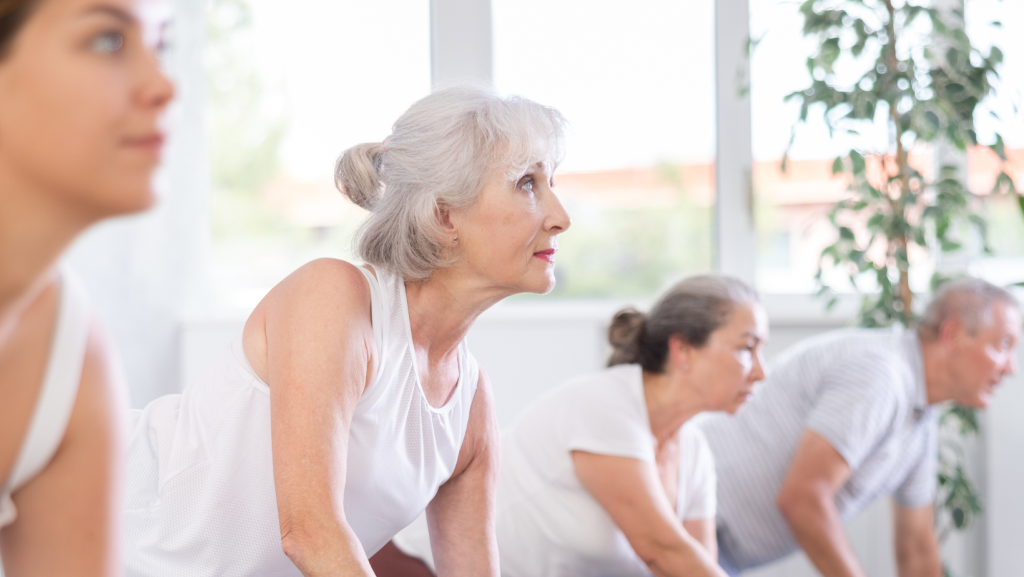
Group fitness classes have become increasingly popular, but we discuss why they don’t quite measure up for seniors looking to exercise safely and effectively. In these environments where everyone is coming with different objectives and experiences, one personal trainer can’t provide individual attention. This absence of personalization is why group fitness often falls short for older adults who thrive with more guidance and support.
Without sufficient supervision, form mistakes can slip through. For seniors, this increases the risk of injury. A coach in a group class may miss small errors, such as a bent knee or poor posture, that can cause muscle strain or falls. The cookie-cutter approach of these routines overlooks that seniors move and recover at different rates. Others might be primed for the next level of difficulty. Group classes rarely decelerate or accelerate for individuals, leaving some behind and others not challenged enough. A senior fitness instruction certification can help trainers understand the specific needs of older adults better.
Group workouts often don’t take into account health issues older adults frequently deal with, like arthritis, osteoporosis, or heart problems. The scripted routines or fitness technology these classes rely on provide little possibility of modification. For special populations, this might mean pain, discomfort, or even injury. Trainers don’t necessarily have the time or the resources to know each person’s medical history or modify exercises, so seniors might be abandoned to fend for themselves. Personal trainers with a focus on senior fitness can deliver tailored exercise programs that address these concerns effectively.
It’s hard to monitor progress in a group setting. Without personalized feedback, seniors can easily lose sight of their progress. The coach can’t recall personal milestones or realize when someone requires a plan adjustment. A packed, noisy room only compounds the issue, making it difficult to concentrate or be comfortable. Privacy-conscious seniors or those who require silence to perform at their peak may feel adrift. Group classes fail when it comes to building strong accountability. Without that individual aspect, it’s easy to blow off sessions or lose steam. No one’s watching, and no one’s pushing for progress.
The Personal Training Advantage For Seniors
Personal training for seniors isn’t just about working out, but it’s also a customized journey that addresses the special requirements of elders. This approach, often guided by a personal trainer, mixes knowledge with compassion to keep elder clients resilient, secure, and self-reliant. A talented trainer knows that each senior arrives with varying fitness levels and health histories, so programs are personalized, prioritizing safety and self-assurance above all.
1. Customised Plans
A personal trainer, especially one with a senior fitness instruction certification, starts by learning about the client’s health, movement limits, and what they want to achieve. They use fitness assessments to evaluate how fit someone is and to identify areas that need improvement. This helps trainers set up a personalized workout program that fits just right, whether the goal is to move with less pain or to play with grandchildren. Plans aren’t static, but they evolve as the client improves, keeping things challenging but doable. Trainers mix in stretching, strength, and balance exercises to keep the sessions fresh and engaging.
2. Injury Prevention
Safety is key for seniors, especially in personal training programs. Trainers demonstrate using good form and safe techniques to safeguard joints and muscles while also incorporating balance exercises to reduce the risk of falls, a primary concern for senior clients. They monitor each client’s movement, intervening to correct anything that could cause strain or pain, ensuring workouts remain safe and effective.
3. Practical Strength
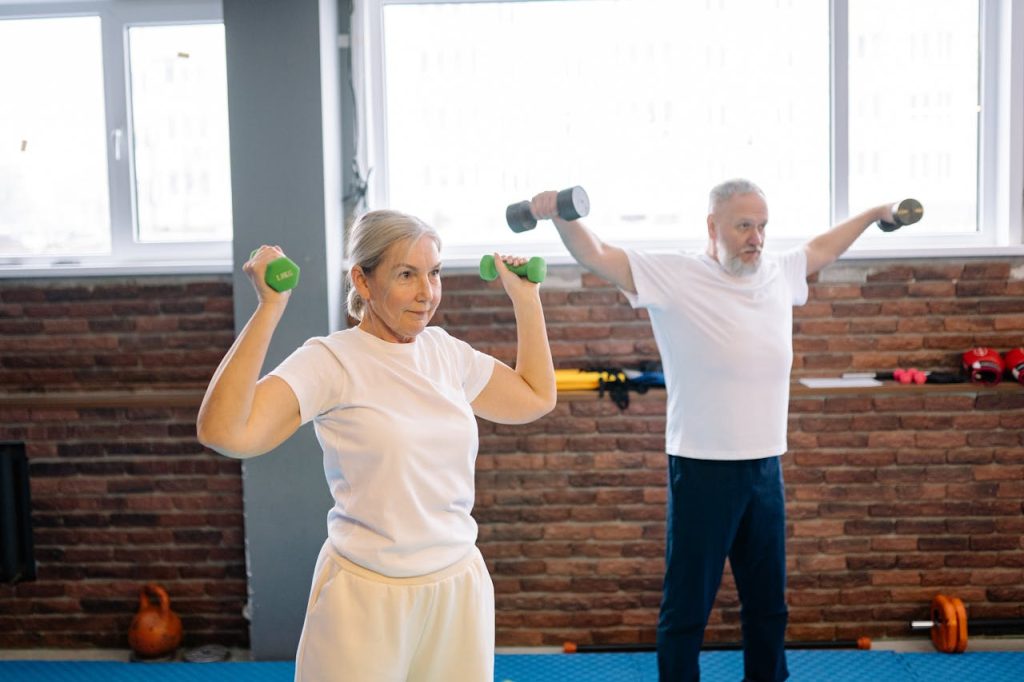
Workouts are structured around motions that assist in daily life, such as lifting, bending, or standing up from a chair. Personal trainers pick movements that resemble activities of daily living, helping clients in lugging grocery bags, scaling stairs, or lifting things overhead. Emphasizing core work is crucial to bolster posture and combat lower back pain. There’s a feeling of accomplishment being monitored, which makes seniors feel more confident and capable in their own bodies.
4. Chronic Conditions
Personal trainers, especially those with an ACE personal training certificate, understand how to work around typical health concerns such as arthritis or diabetes. They modify exercise programs, including balance exercises, so they aren’t too strenuous or dangerous, and train how daily movement can reduce symptoms.
5. Cognitive Boost
Physical training can sharpen the mind, especially when personal trainers incorporate exercises that help seniors memorize moves or react quickly, boosting cognitive skills. Group or buddy sessions provide a social component that reduces isolation and boosts spirits. With options like senior fitness instruction certification courses, trainers can create effective exercise programs that enhance both mental health and cognitive engagement.
What To Expect From Your Trainer
Expect individualized attention, and a personal trainer for seniors provides personalized assistance and tailors programs for each individual. The initial step is a health screening to determine any previous injuries and your capabilities. Your trainer will examine your balance, how well you move, your strength, and your flexibility. This assessment allows for the establishment of meaningful goals, such as standing up from a chair unassisted, walking unaided, or carrying groceries. Whether you’re looking to maintain your daily regimen, relieve pain, or simply remain active on your own, the guidance of a professional can make all the difference.
Trainers stay in contact 24/7, not just during the session. You receive feedback following every workout. This can come in the form of a check-in call, message, or brief conversation at the conclusion of each session. They monitor how you feel and what you say, replacing exercises if you’re sore or fatigued. If you say a move hurts, they will pick something else that works the same muscle but feels better. This back-and-forth allows you to feel secure and continue at your own pace.
Trainers provide accountability so you don’t blow off sessions. If you feel dead or want to quit, they remind you what made you start and help you see how far you’ve come. They leverage these small victories to bolster your confidence. Perhaps you’re able to balance for a longer period or bend down with less strain. Your trainer maintains a light and fun tone but never resorts to shame or harsh language. Instead, they ensure you’re proud of what you can do.
A few weeks at a time, the trainer will monitor your progress. They may test your balance, assess how many times you can stand from a chair, or evaluate your reach. If you hit a goal, they create a new workout plan that feels safe but slightly challenges you more. This approach prevents boredom and helps maintain your hard-earned gains. Most sessions last 45 to 60 minutes, with 10 to 15 minutes of setup and review, and meeting twice a week for the first months works best for achieving real changes.
Beyond The Physical Workout
Senior personal training extends beyond the physical workout, encompassing a holistic approach that nurtures the whole person, body, mind, and spirit. Personal trainers who implement balance exercises and modify routines based on a senior client’s needs help foster a sense of security and support. They understand when to adjust a workout plan if a client’s balance is off or a joint feels stiff, encouraging older adults to remain active. A great training environment is positive and welcoming, allowing members to share challenges and successes, which builds trust and promotes adherence to new habits.
A strong community factor exists. Trainers who push group activities or connect clients to combat the isolation that so many seniors experience. Open conversations about personal struggles, aspirations, and victories foster stronger connections. This type of encouragement can motivate seniors to persist, even when times are challenging.
Nutritional Guidance
- Choose whole grains, fruits, and vegetables at every meal.
- Add lean protein such as fish, beans, or eggs to repair those muscles.
- Drink enough water, aiming for 1.5-2 liters daily.
- Limit added sugars, salt, and saturated fats.
- Use smaller plates to control portions.
- Plan meals to avoid skipping or overeating.
Good nutrition is essential for seniors, as it supports recovery from exercise and maintains energy levels, fueling the brain. Seniors who eat well, coupled with a well-structured exercise program, experience greater results and feel more energetic. Wholesome meals nourish muscle and joint health, which ultimately makes everyday tasks less taxing. Meal planning apps or printables can simplify shopping and cooking, ensuring that healthy eating becomes a delightful routine.
Lifestyle Coaching
- Set daily step goals and track progress.
- Try a new hobby, like dancing or gardening.
- Schedule regular walks with friends or family.
- Plan rest days and listen to your body.
- Join a local club or group class.
Being active every day benefits long-term health and keeps joints strong, making it essential for personal trainers to encourage their clients to engage in various activities. Social and fun classes, like those offered through Fitness Ellipsis, keep people motivated. Goals that extend beyond fitness, such as becoming involved in a community group, create a more diverse, balanced life.
Mental Well-being
| Mental Health Benefit | Supporting Physical Activity |
| Less stress | Yoga, stretching, walking |
| Better mood | Group exercise, dancing |
| Sharper memory | Strength training, balance drills |
| More confidence | Water aerobics, tai chi |
Mindfulness and stress relief techniques help seniors savor their workouts and sustain them longer. Acknowledging these little victories, such as walking a longer distance or experiencing less stiffness, enhances self-esteem. Personal trainers can direct clients to local mental health resources or online support if they require further assistance.

Finding The Right Fitness Partner
More than fitness know-how is required of a personal trainer for seniors. The right partner understands the way aging transforms your body and mind. They find they need a plan tailored to them, not a one-size-fits-all regimen. A good trainer looks for things like balance, mobility, and everyday function. They select movements that assist with real-life situations, such as rising from a seated position or reaching overhead, ensuring autonomy remains robust. It is important to begin gently, with two or three sessions a week, and to monitor their intensity. What is easy for one is hard for the other, particularly as we get older.
If you’re looking for a trainer, the first thing to examine is credentials. Locate someone who has experience working with seniors, like an ACE personal trainer or equivalent. Experience is important. A trainer who has worked with seniors knows how to identify dangers and improvise. For instance, if a client is feeling stiff or fatigued one day, a good trainer can exchange moves, reduce the weight, or decrease the pace immediately. This adaptability keeps workouts safe and injury-free.
Empathy is as crucial as skill. Your senior personal trainer should be a good listener and genuinely caring. They have to know when to push and when to pull, always respectfully. This establishes trust. The client feels seen and heard. Seniors may grapple with aches, persistent conditions, or fall anxiety. A considerate trainer invests time in getting to know these worries and strives to calm them, not dismiss them.
Trial sessions are a savvy move. They give both parties a taste of one another. The client can determine if the trainer’s teaching style suits their own. Perhaps it’s the obvious prompt, or the patience, or the trainer’s manner of discussion. If the fit isn’t right, it’s better to know early. The right fit leads to stronger results, more motivation, and an excuse to return.
The Unseen Value Of One-On-One
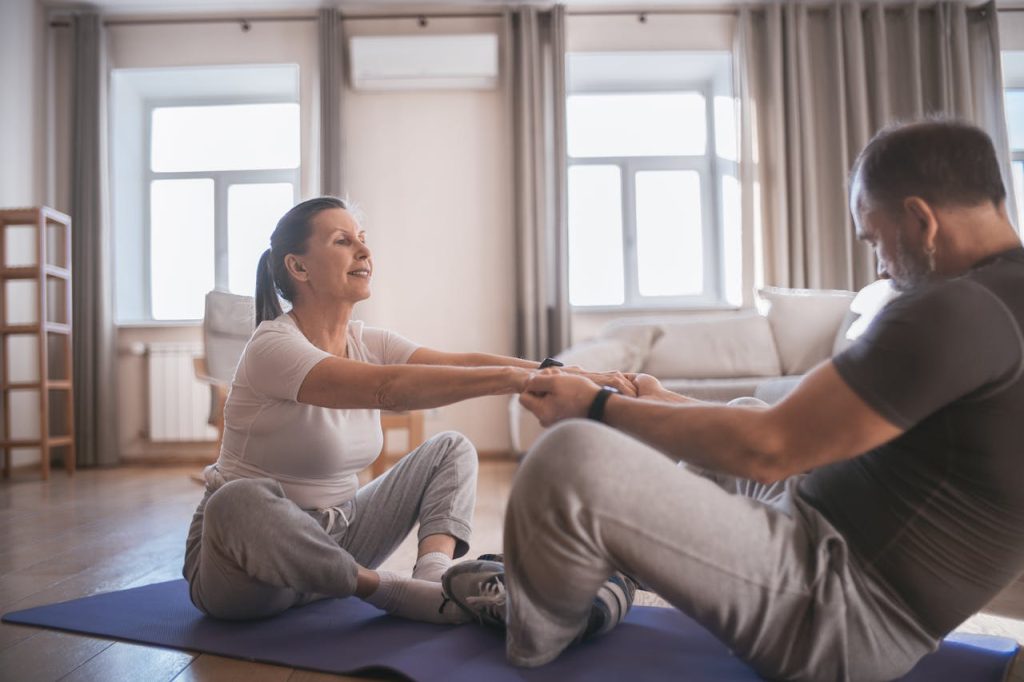
Senior personal training is not just a workout schedule, but it’s also a scarcity of attention. One-on-one training implies every workout is custom-constructed for the individual. Every movement, set, and rest is chosen to suit their needs, pace, and condition. This style isn’t about harder or faster, but it’s also about being clever, cautious, and secure. Personal trainers help clients establish actual goals, select the appropriate exercises, and adapt as requirements evolve. For seniors with old injuries, health restrictions, or specific requirements, this style of training reduces risk. For instance, someone with a knee injury will receive tailored moves, such as glute bridges and supine heel taps, that help develop strength without strain. Each session uses time wisely, translating to less dissipation and more momentum.
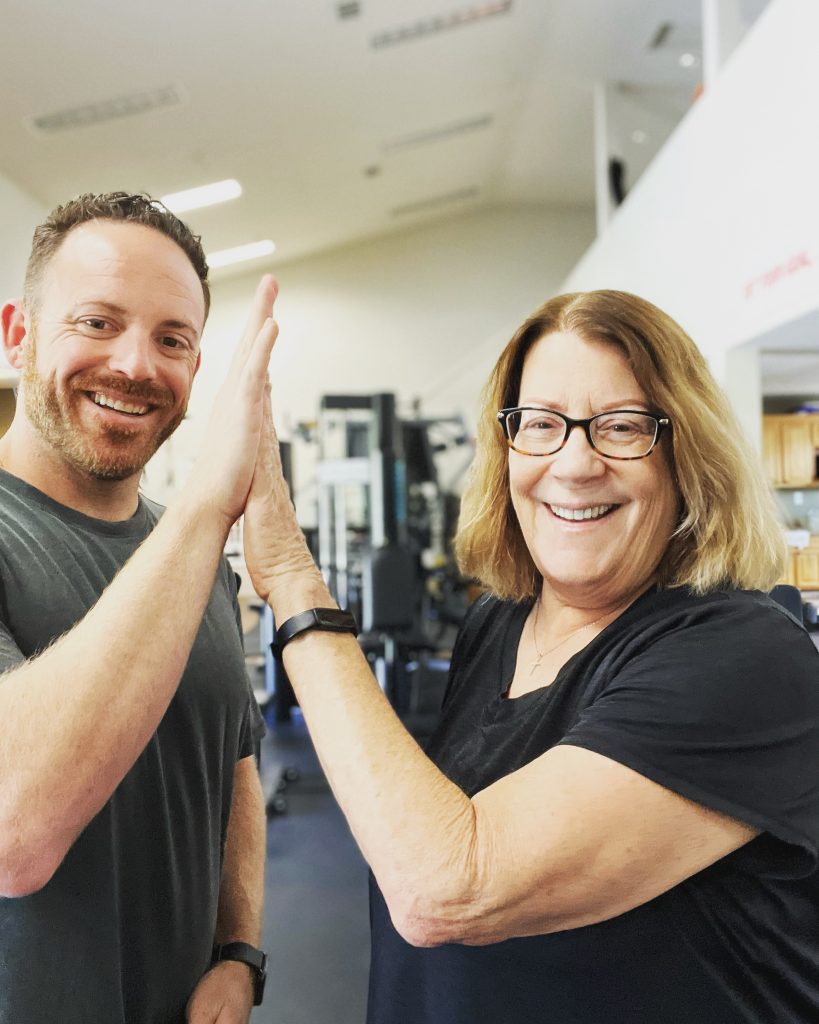
One-on-one training provides each individual with the attention and time of an expert. It’s not group classes, where the coach divides time with a bunch of others. Here, the trainer observes form, monitors breathing, and ensures each stride is secure. This is crucial for seniors, as form and control become more important when bodies change with age. An exercise professional can identify micro-missteps and correct them immediately. They monitor advancement and adjust the workout plan if necessary. If a client is tired or sore one day, the plan can shift immediately. This prevents minor discomfort from evolving into legitimate injuries.
When someone knows a coach is waiting, it’s harder not to go to a session. This accountability pushes people to show up even on hard days. Gradually, this ritual generates faith in the method. For seniors, this is huge. Life gets crazy, but with each session scheduled for their calendar, there’s less chance of a drop-off.
Trainer assistance goes beyond merely fitness. Most clients are nervous or uncertain when they first start. Trainers act as sherpas. They celebrate minor victories and assist in maintaining morale when we’re not moving fast enough. This type of care helps seniors remain optimistic and less tense.
Success stories support these points. For instance, a heart-suffering senior regained strength and stamina with a regimen constructed specifically for him through a senior fitness instruction certification course. One more client, once unbalanced, now steps light and easy from consistent, targeted exercise. These are not isolated anecdotes, but they demonstrate how one-on-one sessions can accelerate progress and keep clients protected.
Conclusion
Personal training for seniors delivers more than exercise. Trainers notice shifts in health, adapt plans quickly, and provide genuine attention. A good trainer figures out your limits and identifies moves that work with your body. More than sweat, you get support and clarity of steps. This one-on-one time builds trust and keeps your goals front and center. Many seniors make friends with their trainers as well. Small wins stack up fast, like smoother walks or less pain in the morning. To begin, see what gyms are available in your area or ask your doctor for a referral to a senior fitness trainer. Choose someone who listens and encourages you. Still have questions? Request help from your trainer. They want you to feel powerful and confident.
Frequently Asked Questions
1. What Makes Personal Training Better For Seniors Than Group Fitness Classes?
Personal training provides tailored workouts and direct supervision, ensuring security for senior clients. Seniors receive exercises appropriate for their specific capacities and health concerns, which group classes may not offer.
2. How Does A Personal Trainer Support Seniors With Health Conditions?
Our personal trainers, equipped with the senior fitness instruction certification, develop safe workout programs tailored to your medical history and mobility, ensuring effective routines for joint pain and arthritis.
3. What Should Seniors Expect During A Personal Training Session?
Senior personal training includes warm-up, personalized exercises, and cool-down, while certified personal trainers instruct proper form and encourage clients during the session.
4. Is Personal Training Only About Physical Exercise?
No, personal trainers boost mental health, social interaction, and self-assurance. They promote a 360-degree approach that cares for both body and mind, guiding clients through effective exercise programs.
5. How Do I Choose The Right Personal Trainer For A Senior?
Seek out qualified personal trainers who specialize in senior fitness instruction certification. Inquire about their background, training approach, and experience with clients like your mother.
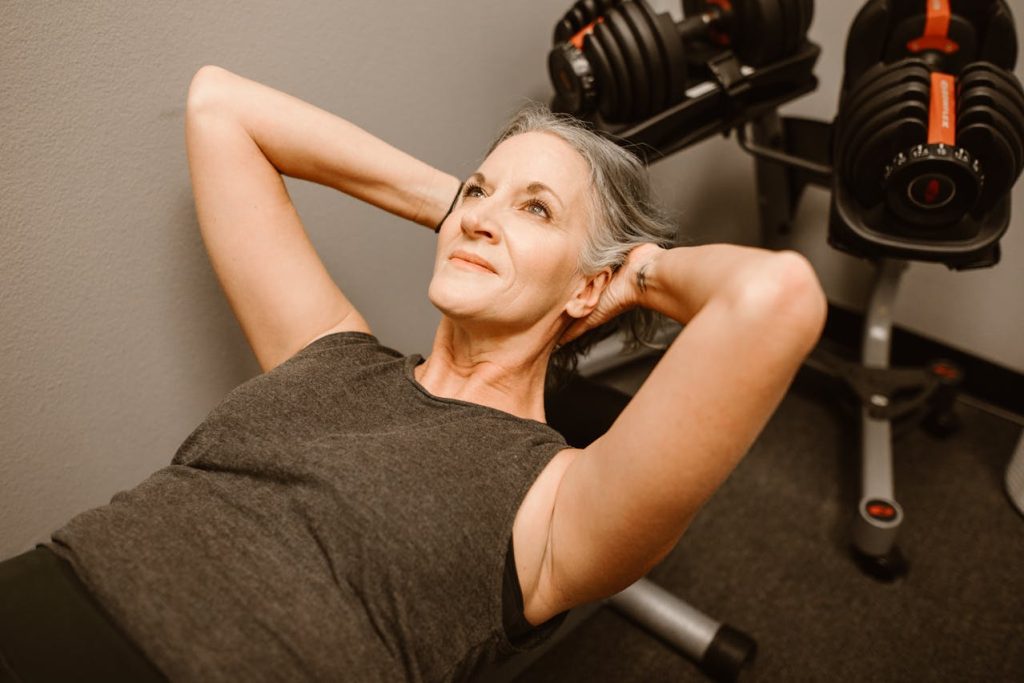
Get Started With Fitness For Beginners Over 50 At Fitness Ellipsis!
Ready to feel stronger, healthier, and more confident after 50? At Fitness Ellipsis, we know that starting (or restarting) a fitness routine can feel intimidating, especially if it’s been years. That’s why we focus on beginner-friendly coaching that meets you exactly where you are, with a plan that feels realistic, safe, and motivating from day one.
Whether you’re brand new to exercise or getting back into shape after a long break, our experienced coaches provide personalized fitness assessments and age-appropriate programs designed for adults over 50. From building strength and improving mobility to boosting energy and supporting long-term wellness, we help you create a routine you can actually stick with. Don’t let uncertainty hold you back. Join the Fitness Ellipsis community and take the first step toward feeling better in your body again. Connect with us today, and let’s build your fitness foundation the right way.