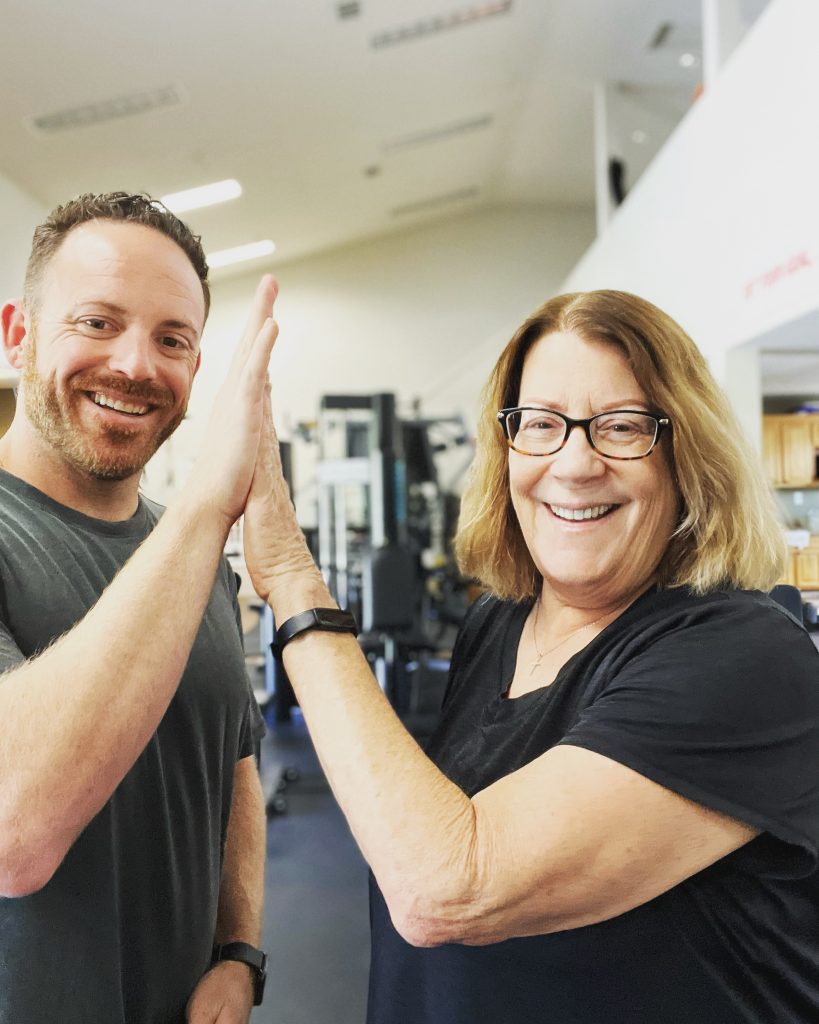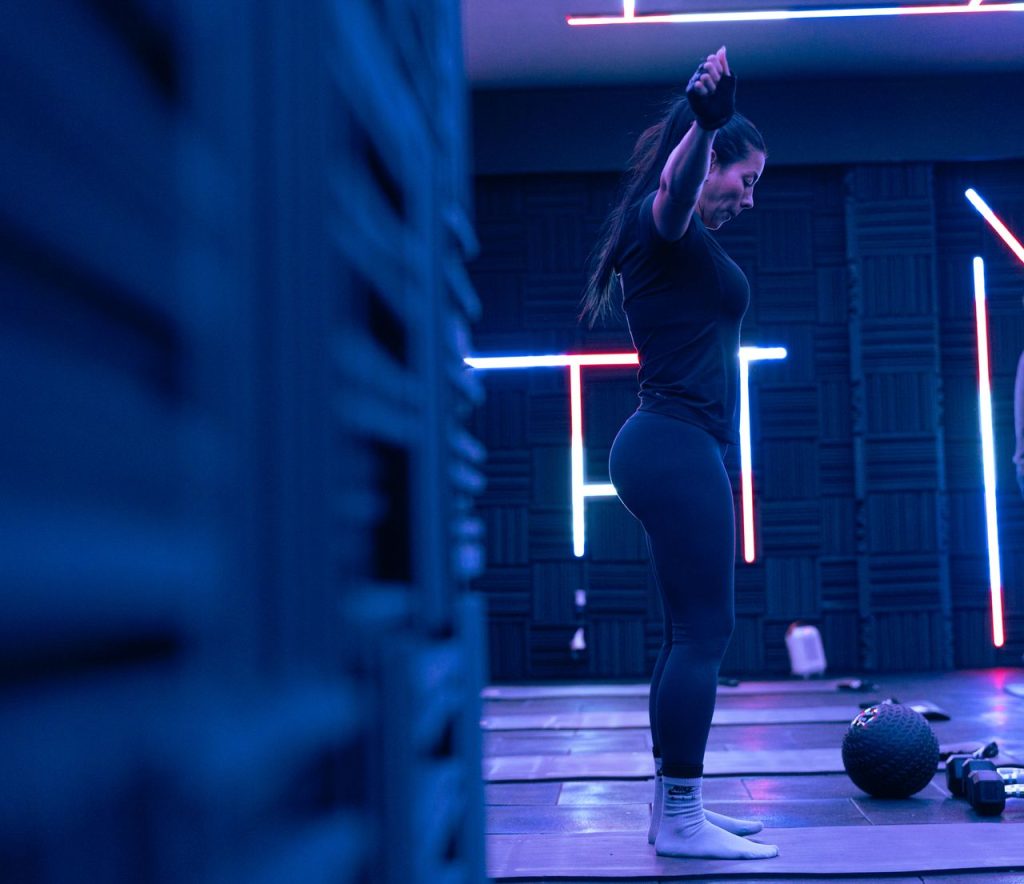

What to expect from your first personal training session at 60+ is to get clear on both the process and the benefits. At Fitness Ellipsis, sessions are designed to be supportive, personalized, and paced specifically for your needs. Most trainers begin with a discussion of your health, previous injuries, and fitness objectives. They might test how you move, your balance, and your strength. Sessions typically employ basic moves with light weights or bodyweight. Trainers take things slowly and safely, resting when necessary. They demonstrate how to perform each move with good form to reduce risk. A lot of sessions incorporate simple stretches and gentle walking or cycling. You’ll often receive advice on posture, breathing, and nutrition, too. The bulk of the book examines these steps and demonstrates how they assist seniors in regaining strength and improving mobility.
Key Takeaways
- Personalized fitness programs for seniors over 60 are essential as they address unique health considerations and support muscle retention, strength, and cardiovascular wellness.
- The first personal training session typically includes a conversation about goals, a comprehensive fitness assessment, introductory exercises, and the development of a tailored plan, all conducted at a comfortable pace.
- Open and clear communication with your trainer allows them to understand your individual needs, limitations, and preferences to ensure a safer and more effective workout.
- They are encouraging coaches who tailor exercises to your level and help you develop the confidence and drive you need.
- Then, focusing on safety, trainers gauge exertion, modify exercises, and use appropriate equipment to reduce injury risks during each session.
- Regular exercise provides both physical and mental health advantages. It encourages seniors everywhere to maintain independence, increase happiness, and thrive.
Why Personal Training After 60?
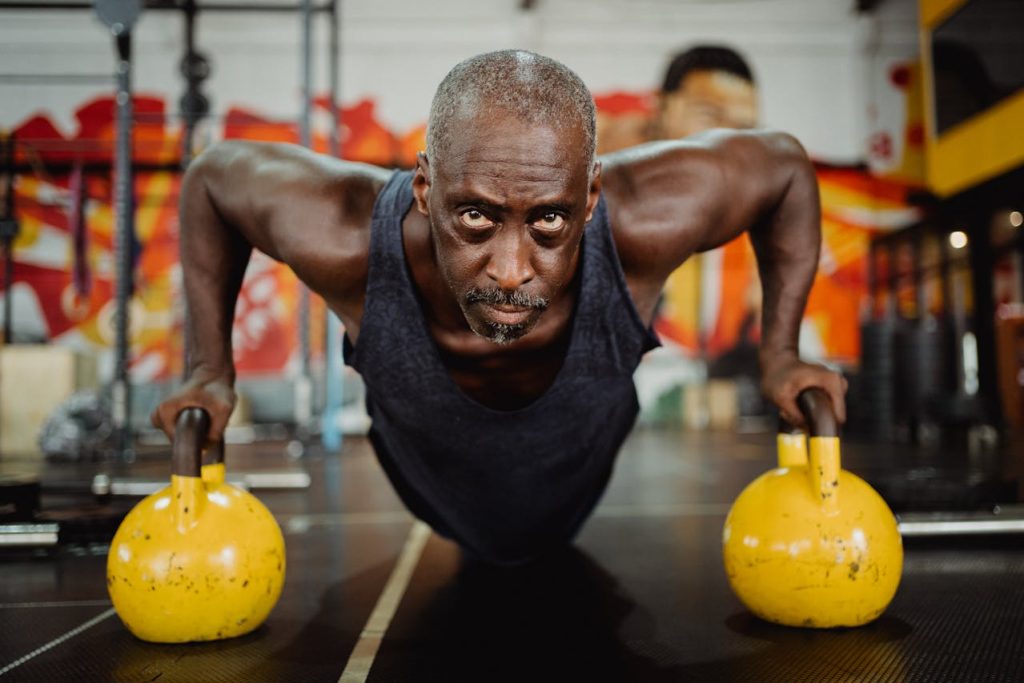
As we enter our 60s and beyond, our bodies change in numerous ways that impact our health and daily living. Your bones aren’t as strong, your muscles have atrophied, and your balance is a little wobbly. A cookie-cutter fitness program isn’t going to cut it anymore. This is where specialized senior fitness programs come in. Personal training for older adults emphasizes health concerns that are most important at this stage. Trainers examine medical history, previous injuries, and individual goals, then construct safe programs tailored to each individual. For instance, one client with knee pain will receive moves that safeguard joints, while another might require an increased emphasis on balance to decrease the fall risk. The danger of not moving is great. It’s more dangerous to remain sedentary at this age than it is to engage in safe, deliberate exercise with an experienced trainer.
Muscle loss, or sarcopenia, accelerates after 60. This decline eats away at strength, vitality, and the ability to perform basic tasks like climbing stairs or carrying bags. A senior fitness assessment introduces a plan to combat this loss. Trainers have strength routines twice a week, two sets for each of the major muscles, 8 to 12 reps. Easy things like resistance bands or light weights can help. Over time, these moves rebuild muscle, increase strength, and maintain balance. Trainers demonstrate proper form for each movement, look out for any indications of strain, and assist in establishing goals such as effortlessly rising from a chair or walking further without pausing.
Cardiovascular capacity declines with age. Sixty-five-year-olds have approximately 30% less aerobic power than forty-year-olds. A trainer aids by constructing heart-safe habits, like brisk walking or cycling, with cautious, incremental progress and frequent monitoring. These habits improve heart health, assist the mind in maintaining memory, and increase energy. Trainers impart good tempo so that even the unhealthy can exercise with less apprehension or danger.
Personal training isn’t just about losing weight. It’s about maintaining daily skills such as balance, grip, and pace of walking. Regular sessions reduce fall risk, maintain a sharp mind, and assist people in living independently longer. Even in your 70s, 80s, and beyond, you are capable of strength and skill gains with the appropriate plan and support.
Your First Session Unpacked
Your initial senior fitness assessment at 60+ is designed to be safe, supportive, and personalized, ensuring a tailored fitness program for your current fitness level.
- Initial consultation and conversation
- Lifestyle and health assessment
- Fitness and movement evaluation
- Gentle introduction to simple exercises
- Personalized planning discussion
- Guided cooldown and reflection
1. The Conversation
Your first session unpacks a senior fitness assessment where the trainer begins with an extensive conversation about your health, daily habits, and overall fitness goals. Sharing previous exercise experiences, good or bad, allows the trainer to select safe and realistic objectives for your fitness program. If you have certain health conditions or injuries, these are brought up openly. Your objective here is to establish a cadence where you’ll be comfortable inquiring about the gym, the trainer’s background, or any aspect of the process. Establishing trust early makes it much easier to provide candid feedback down the road and is crucial for sustained growth.
2. The Assessment
The next step is a full review of your senior fitness assessment. This often means measuring how well you move, your strength, and your stamina. Simple movements, like standing from a chair or reaching overhead, help spot any muscle weak spots or joint stiffness. Experienced trainers may check body composition and note how you breathe or balance. This part can feel clinical, but it is always done in a calm, patient way. The aim is not to judge, but to get a clear starting point so every future fitness program fits you.
3. The First Moves
You’ll attempt some light exercises as part of your senior fitness program. Imagine slow squats with assistance, light resistance exercises, and balance exercises such as single-leg stands. Experienced trainers teach you how to move correctly to keep you safe. Light weights or even just your body weight will suffice for the moment. We’re not pushing hard in this session, but we’re learning from and feeling our bodies out. This soft launch cultivates skill and trust.
4. The Plan
Once you shift, you and the personal trainer discuss your current fitness level and what’s next. A fitness assessment is mapped out depending on where you are and your fitness goals. This plan combines strength exercises, cardio, and balance work, modified as you advance. Timelines are pragmatic, with regular check-ins ensuring the fitness program gets tweaked as you go.
5. The Cooldown
We finish every session with slow stretches and breathing, which helps improve flexibility and prepares your muscles for recovery. This component of our senior fitness program allows for reflection on what felt good and what was challenging, celebrating even little wins as we work towards our fitness goals.
Debunking Common Fitness Myths
A lot of fitness misconceptions hold older adults back from maximizing their initial personal trainer experience. It’s helpful to separate reality from hype, as research demonstrates that the majority of the restrictions individuals predict with aging aren’t supported by scientific data.
| Myth | Fact |
| Seniors should avoid strength training | Strength training is safe and helpful at any age |
| Vigorous exercise is risky for adults over 60 | Properly scaled intensity brings big health rewards |
| Crunches burn belly fat | You can’t spot-reduce fat; full-body training works best |
| You need 10,000 steps a day for health | Even 4,000-7,500 steps offer health benefits |
| Cardio and strength must be kept separate | Both can be done together with no negative effects |
| Muscle soreness signals harm | Mild soreness, called DOMS, is a normal response to new exercise |
| Short workouts are a waste | Focused 15-min routines can build strength and boost health |
| Exercise will make muscles big overnight | Large muscle gains need years, high food intake, and much effort |
Strength training is essential for seniors. Muscle mass declines after 30 every decade, but easy resistance exercises slow this. Here’s the truth about debunking common fitness myths: lifting light weights, bands, or bodyweight moves keeps your muscles strong, your bones dense, and your balance improved. This translates to fewer falls and more control of daily activities. Building muscle doesn’t mean you’ll suddenly look bulky. Real serious muscle gain requires years and a pretty extreme diet.
The notion that seniors have to shy away from hard workouts is antiquated. If a trainer modifies routines to your level, even brief, ‘punchy’ sessions can do wonders for your heart, joints, and brain. Even a 15-minute session of brisk walking followed by squats and push-ups can get your heart pumping, work your muscles, and boost your mood. What counts is discovering the proper tempo and recovery, not adhering to age-limit myths.
Consistent training combats long-term problems such as diabetes, arthritis, and hypertension. Studies show that aerobic and strength workouts, even if done the same day, assist blood sugar, reduce pain, and increase energy. By mixing up your routine, including strength work, gentle yoga, or balance drills, you increase your flexibility, which keeps you moving well.
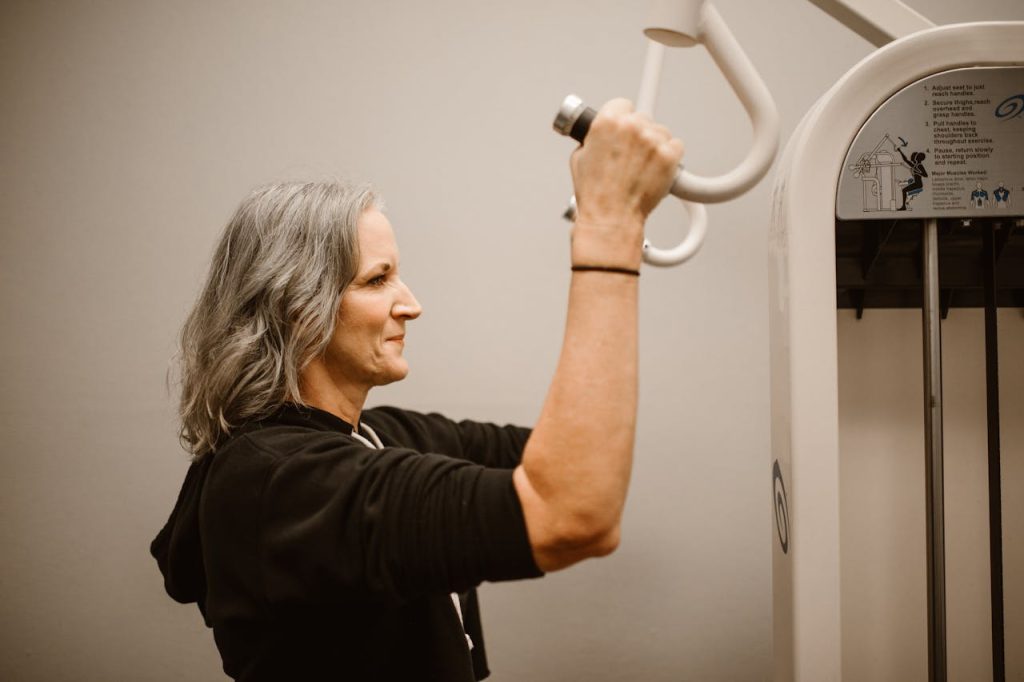
The Trainer’s Role: Coach, Not Drill Sergeant
Your trainer with 60+ is a coach, not a drill sergeant. This approach accepts that bodies change with age and that progress can be slower. The table below shows how a trainer’s role can impact the experience and the results of each session:
| Trainer Approach | Key Behaviors | Impact on Client |
| Coach | Gives support, adapts plans, and listens | Builds trust, confidence, and motivation |
| Drill Sergeant | Pushes hard, little flexibility, commands | May cause fear, stress, injury |
| Cheerleader | Encourages, celebrates wins, keeps it positive | Boosts morale, engagement |
Coaches encourage clients, use positive language, and assist them in viewing each tiny victory as a giant leap. This boosts confidence and alleviates fear, particularly for those potential gym-goers who might feel intimidated by beginning fitness at a later age. Good trainers know how to switch up workouts for every individual, considering health history and goals.
Trainers are colleagues, not commanders. They design programs that align with each individual’s movement patterns and preferences. They provide continuous support, not just a static schedule. This builds trust and makes fitness seem doable at any age.
Safety First
- Digs around for safe gear and clean space before every session.
- Watch for signs of pain, short breath, or fatigue
- Adjusts moves right away if discomfort is voiced
- Guides warm-up and cool-down for joint safety
The trainer’s role is to act as a coach rather than a drill sergeant. Experienced trainers must monitor the intensity levels during each exercise to ensure safety and prevent injuries. This approach is especially important in senior fitness assessments, where seniors are encouraged to communicate any pain or concerns, allowing for immediate adjustments to their fitness routine.
Clear Communication
Plain, direct speech benefits the trainer and client alike, especially in senior fitness assessments. Goals, concerns, and transformations are talked about frequently, allowing seniors to inquire about their fitness program, no matter how minor. This two-way discussion makes the fitness plan more personalized and keeps workouts safe, ensuring that senior clients feel comfortable and optimistic about their fitness journey.
Progress, Not Perfection
- Mark every achievement, whether it’s holding a plank a few seconds longer or walking a bit further.
- Take photos or jot down improvements in a log
- Share these wins with a friend or family member
Small steps beat chasing perfection, especially in senior fitness programs. All the stronger, all the more steps toward your fitness goals. If a setback comes, it’s simply part of the journey, not the conclusion.
Beyond The Physical: A Mental Boost
A one-off senior fitness assessment session when you’re sixty-something is more than a push toward better physical fitness, but it serves as a mental health reset. Exercise brings down stress and lifts mood. Research indicates that exercise reduces symptoms of anxiety and depression, both of which tend to increase with elderly age. Beyond the physical, it provides a mental boost. Training can help keep the mind sharp, slow memory loss, and even reduce the risk of dementia. For most, these gains are more important than how they appear.
With a personal trainer directing each movement, older adults feel empowered with a sense of control. This trust builds over time, making each session feel secure. As they become more active, they tend to feel stronger and more confident. This self-esteem boost is real, making everyday activities less hard and life a bit freer. Small victories, such as standing with ease or walking a little further, can transform how a person views their potential. These little victories accumulate, making individuals feel capable and accomplished.
Training doesn’t occur in isolation. Whether it’s with a trainer or in a group, spending that time together fosters a sense of belonging. This social aspect is crucial, as chatting during breaks or motivating each other can turn the commercial gym into a home away from home. This feeling of belonging can significantly reduce loneliness, which is prevalent among the elderly.
Fitness is more than skin-deep. It’s about the mind and spirit as well. A great trainer, for example, will discuss sleep, stress, and mood, not just your biceps. Many seniors have this broader perspective, and they’re more concerned with feeling good than looking good. They desire to age gracefully, remain sharp, and stay active. With assistance, they come to focus on the entire scope of wellness, not just the aspects that shine on the surface.
What Happens After Your First Session?
What does it look like after your initial fitness assessment at 60+? Your personal trainer will evaluate your response to each move and how comfortable you are doing it. This assists you both in determining what worked, what was difficult, and what might need adjustment. During the follow-up, your trainer will inquire about your muscle soreness, energy, and whether any exercise felt too hard or easy. Your trainer then uses this feedback to tweak your upcoming sessions. For instance, if you struggled with a particular movement, the trainer might break it down into smaller steps or replace it with an alternate move targeting the same muscle group. If a move felt too easy, your trainer would increase the intensity just a notch. Progress checks, usually every few weeks, are built into the fitness program to see how you’re doing and if you’re closer to your fitness goals.
Commitment to routine is particularly important for senior fitness. Your body adjusts by regenerating through consistent, carefully selected motions. Maintaining a consistent schedule, like two to three sessions per week, builds strength and momentum. If you miss sessions, your gains will stall, and it will be harder to build strong habits. Frequent workouts, even if they are brief, are better than long, infrequent ones. Your trainer will work with you to establish a schedule that makes sense in your life, morning or evening, at the gym or at home, in a group or individually. It helps to keep track of your sessions and record what feels good and what needs work.
What’s going on with you after your initial session? If you’ve got new aches or changes in your health or just want to experiment, inform your trainer. Even if it’s just that you’re more tired than usual or you had a change in medication, these details assist your trainer in keeping the program safe and right for you. A lot of trainers are going to want to hear about your meals, sleep, and stress since these impact your workout results.
Maturity takes time and consistent practice, especially in senior fitness programs. Little improvements in power, coordination, or endurance are indicators that you are heading in the right direction. Soreness is normal for the first few days, but rest, eating a balanced meal that includes protein, carbs, and healthy fats, and stretching each day will get you back on the road to recovery. Think back to your first session. What did you learn, and what did you want to get better at? Every step is on a longer journey, and the most significant rewards come from persisting when the transformation feels gradual.
Conclusion
To walk into your first training session after 60 still feels new, but not impossible. At Fitness Ellipsis, trainers genuinely care about your objectives and safety. You determine the pace, and you develop skill with every visit. Each session strengthens both your body and mind. Small steps lead to big changes. Simple moves, clear plans, and real feedback keep you moving forward. Your trainer supports and encourages you every step of the way. Cumulative progress shows up in how you move, feel, and live each day. If you’re ready to take that first step, Fitness Ellipsis is here to guide you. Schedule your first session, ask questions, and come in with an open mind. Your next chapter in health, strength, and confidence can start today.

Frequently Asked Questions
1. Is Personal Training Safe For People Over 60?
Yes. Your personal trainers will modify exercises based on your current fitness level and any health conditions. They emphasize safety, good technique, and slow growth to reduce injury concerns in your fitness program.
2. What Should I Wear To My First Personal Training Session?
Dress in comfortable workout attire and sneakers that support your fitness routine. Select pieces that enable you to be mobile during your senior fitness assessment.
3. Do I Need To Be Fit Before Starting Personal Training?
No fitness assessments needed! Personal trainers tailor workouts to your current fitness level and objectives, allowing you to get stronger and safer with every rep.
4. How Long Does The First Personal Training Session Last?
Most first sessions run 45 minutes to an hour and include a health review, a senior fitness assessment, and some easy exercises to begin.
5. Will My Trainer Understand Age-Related Health Concerns?
Yes, all certified personal trainers are trained to work with older adults, especially those enrolled in senior fitness programs. They consider joint health, balance, and chronic health conditions when organizing effective exercise programs.
Get Started With Fitness For Beginners Over 50 At Fitness Ellipsis!
Ready to feel stronger, healthier, and more confident after 50? At Fitness Ellipsis, we know that starting (or restarting) a fitness routine can feel intimidating, especially if it’s been years. That’s why we focus on beginner-friendly coaching that meets you exactly where you are, with a plan that feels realistic, safe, and motivating from day one.
Whether you’re brand new to exercise or getting back into shape after a long break, our experienced coaches provide personalized fitness assessments and age-appropriate programs designed for adults over 50. From building strength and improving mobility to boosting energy and supporting long-term wellness, we help you create a routine you can actually stick with. Don’t let uncertainty hold you back. Join the Fitness Ellipsis community and take the first step toward feeling better in your body again. Connect with us today, and let’s build your fitness foundation the right way.