
To answer how Coach Drew customizes every plan for adults 50+, he first checks each person’s health, goals, and past injuries. Coach Drew uses basic screenings and conversations to discover what each individual requires. He selects exercises and sequences that match their ability and physique, so every plan feels appropriate, not too strenuous, and not underwhelming. For those with joint pain or health restrictions, he replaces hard moves with safe ones. Food guidance matches each person’s preferences, like quick meal hacks or mini switches. Plan checks occur weekly to ensure that progress continues to feel sustainable and safe. The next section explains how Coach Drew tailors each plan for ages 50+.
Key Takeaways
- Personalizing a plan for people over 50 means examining their history, specific needs, and goals to deliver safer, more effective results.
- Detailed movement screening and frequent progress monitoring help to detect restrictions, avoid injuries, and fine-tune workouts as you go.
- A holistic approach to joint health, mobility, and functional strength enhances daily living and minimizes age-related injuries.
- Thoughtful nutrition, meal timing, and a focus on protein help Coach Drew support recovery, hormones, and energy levels during all of these phases to ensure peak performance.
- These are the benefits that individualized coaching provides, which are typically absent from group fitness settings and essential for sustained success: accountability, tailored feedback, and continuous adjustment.
- Keeping a positive, resilient mindset, celebrating milestones, and cultivating supportive relationships play a big role in motivation and adherence throughout the fitness journey.
The Customization Blueprint
Once again, a customized fitness program is essential for 50+ adults, as everyone has a unique background, needs, and interests. Coach Drew’s blueprint begins with understanding your background, breaking down your motion, and defining objectives that fit your lifestyle, ensuring that each plan supports a long-term lifestyle change.
1. Your Story
To mold a fitness program, Coach Drew first hears your tale. This involves discussing previous fitness journeys, whether you adored long walks or dodged the gym. We dive deep into any previous injuries, joint pain, or chronic conditions. This context aids Drew in selecting safe workouts and establishing feasible starting positions. Your motivation to strength train, perhaps it’s to play with grandkids, travel more, or simply feel strong, is critical. Knowing what inspires you keeps you on track. In the end, your preferences count. If you hate cycling but love swimming, that’s what your workouts will focus on.
2. Movement Analysis
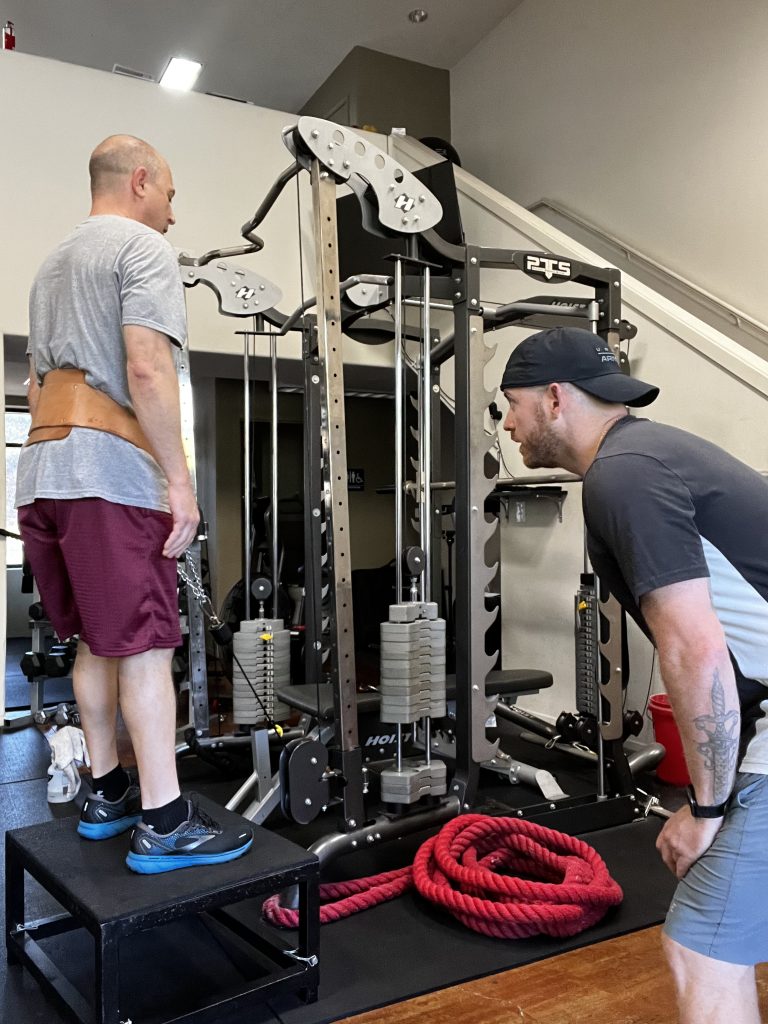
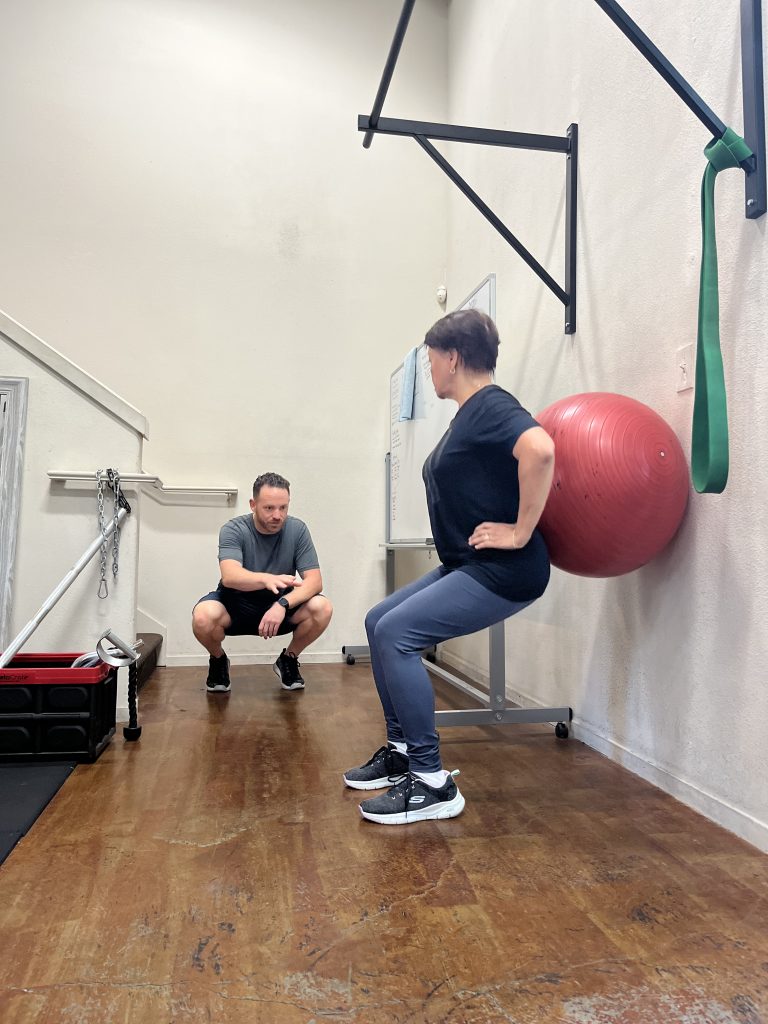
Coach Drew screens your motion with easy tests, such as squats and arm raises, to detect tight or weak links. He observes your form on every move, providing feedback to keep you safe. If you can’t squat low or your balance wobbles, Drew modifies the fitness program accordingly. Occasionally, he uses video tools to demonstrate progress or correct minor errors, ensuring that modifications are grounded in reality, not speculation.
3. Goal Setting
Short and long-term goals you and Drew establish together, such as walking 5 kilometers without pain or reducing blood sugar, align with what you care about: remaining independent, moving comfortably, or keeping up with peers. As your fitness program progresses, Drew checks in and adjusts goals to help you develop strength or adapt to life changes. Concrete actions, like adding 10 minutes to a walk each week, render each objective achievable.
4. Lifestyle Audit
- Review the daily schedule for open time slots
- Track meals and snacks for nutrition gaps
- Record sleep hours and how rested you feel.
- Identify support from friends, family, or groups
5. Initial Plan
Your fitness program begins with simple strength training exercises and easy cardio, tailored to what your body can handle today. It encompasses resistance bands, walking or cycling, and rest days. Your trainer provides a sample meal plan that is basic, plant-heavy, and low in protein. Workouts are crafted to fit your real life, whether you train at home or in the park.
Beyond The Reps
Coach Drew goes beyond the reps, customizing each fitness program for adults over 50 by incorporating holistic health principles. Every plan integrates strength training, nutrition, and recovery. It is about more than just reps in the weight room, but it focuses on optimizing joint health, mobility, and functional strength while emphasizing the significance of mindful decisions in everyday living.
Joint Health
Joints are the key to active aging. Plans begin by strengthening the muscles supporting the hips, knees, shoulders, and spine. For instance, Drew incorporates basic exercises such as glute bridges and banded shoulder presses. Beyond The Reps: Each client learns how to warm up with light aerobic work, dynamic arm circles, and gentle leg swings before any strength work. Cool-downs with slow stretching follow at the end.
Drew checks in on joint pain and tweaks the session if aches arise, decreasing load or substituting exercises. Flexibility work, like light yoga postures and calf stretches, maintains joint suppleness. Clients should pay attention to any stiffness and vocalize it, which makes modifications simple and secure.
Mobility First
Mobility drills are always first. Rotational lunges, hip circles, and wall slides prime muscles and joints for labor. The schedule incorporates active stretches, such as leg swings and torso twists, before more strenuous work. These movements assist blood flow and prime the nerves.
There are regular, small, and simple mobility routines done on non-training days. Even five minutes of ankle rolls and neck stretches can reduce pain and increase mobility. Drew monitors mobility with simple exams such as standing toe touches or overhead reaches. Over time, clients experience real gains, which sustain their motivation to maintain the practice.
Functional Strength
Workouts constructed around moves that mirror everyday life include squats for sitting and standing, rows for pulling open doors, and loaded carries for groceries. Compound lifts such as deadlifts and push-ups build whole-body strength quickly. Bodyweight moves allow clients to get stronger anywhere, with no gear necessary.
Advancement isn’t simply increasing the weight. It’s about lugging laundry upstairs or gardening pain-free. Drew frequently advises leaving a set one to three reps short of failure to cultivate stamina safely. Beyond The Reps, clients track these changes, so real-world improvement stays front and center.
Fueling Your Prime
Nutrition is at the center of every fitness program for those over 50. Coach Drew’s philosophy emphasizes the importance of a simple nutrition plan that works with your body, not against it. Participants discover how good nutrition enhances workouts, aids muscle building, and maintains high energy levels throughout the day. Understand your food for effective fat loss and long-term lifestyle change.
Nutrient Timing
Pre- and post-workout meals are essential for anyone looking to enhance their fitness program. Meal timing can significantly influence how the body burns fuel, impacting metabolism and energy levels. By spacing meals every 3 to 4 hours, adults can maintain stable blood sugar levels, which helps reduce energy slumps and supports a healthier lifestyle change.
- Fuel your Prime. Eat small meals with lean protein and slow carbs, such as oats and brown rice, 2 hours before exercise. This powers muscles and maintains energy.
- Post-workout, prioritize fast-digesting carbs (think fruit or rice cakes) and protein (Greek yogurt or eggs) within 30 minutes, which aids muscle repair and reduces soreness.
Meal timing can alter the way the body burns fuel. Timing your meals can keep metabolism stoked and stave off major energy crashes. For instance, spacing meals throughout the day every 3 to 4 hours maintains blood sugar for many adults, which can reduce the likelihood of energy slumps.
Meal planning should align with workout schedules for optimal results. Some individuals prefer to have their largest meal post-workout, while others find success with evenly sized meals throughout the day. Finding what works best for you can lead to effective fat loss and muscle building.
The key is to discover a routine that complements your personal training goals. By doubling down on effective strategies, you can jump-start your journey towards a healthier lifestyle.
Hormonal Balance
As our bodies shift, food can help keep hormones in check, particularly for women going through menopause. Getting enough protein helps combat age-related muscle loss. Consider beans, fish, and lean meats.
Balancing your macros refers to considering carbs, protein, and fats. Most require fewer carbs and more good fats during menopause, such as nuts or olive oil. These fats assist in making hormones and support brain health.
Protein keeps folks full longer and controls weight. Most adults do fine with at least 1 to 1.2 grams per kilogram per day. Energize your prime with healthy fat fuel.
Sustainable Habits
Small steps work better than big changes. Coach Drew coaches clients to replace one food at a time or add one healthy habit a week. That’s how new habits stick.
Meal prepping slashes stress by making the right choice the easy choice. Cooking grains, chopping veggies, or portioning snacks in advance can assist.
- Pause between bites and check in with hunger cues
- Use small plates to avoid overeating
- Eat meals without screens or distractions
Mindful eating means eating with care, considering what and how much goes onto your plate. This enables clients to recognize when they’re full, resulting in smarter decisions for the long term.

Why Group Classes Fail
Group fitness classes may feel like a magic solution for adults 50+, but they often overlook critical priorities such as personalized coaching programs as we age. These classes follow a fixed schedule, leading to less individual focus and potentially more danger than advantage. To achieve an effective fitness program, it’s essential to consider tailored routines that address unique needs and goals.
| Common Pitfall | Impact on Adults 50+ | Suggested Improvement |
| Lack of personalization | Higher risk of injury, poor progress | Custom plans and 1:1 attention |
| Fixed class pace | Overexertion or under-stimulation | Adjust the pace based on each person |
| Varied fitness levels | Some feel left out or pushed too hard | Assess and adapt for each member |
| Limited feedback | Bad form, unsafe habits | Direct coaching and regular check-ins |
The Injury Risk
Group classes bring everyone together, regardless of age or ability, but they often overlook individual needs. When coaches drive a group, they may miss subtle indications of stress or injury in individuals, especially among older adults with past injuries or health constraints. If no one identifies these issues, they can escalate, leading to a lack of accountability and an unsafe environment. As a community, we sometimes ignore our own warning signs just to keep up with the fitness program.
Maintaining good form is essential for safety and effective strength training. Without close monitoring by an accountability coach, bad habits can develop, leading to injuries. You might lift weights with the wrong muscles or use your joints incorrectly, resulting in pulled muscles or sore knees. When a coach fails to tailor the program for each individual, minor niggles can quickly transform into nagging injuries.
Safety must always take precedence over competition. A well-designed fitness program varies moves, speed, or weight for each body, focusing on long-term lifestyle change rather than short-term victory. It’s about ensuring longevity in the game and fostering a supportive environment where everyone can thrive.
The Pace Problem
Group classes progress at a single pace. For some, it’s too fast, and old injuries or lower stamina prevent them from keeping up. For others, it’s too slow, and they don’t get enough from it.
Everyone trains at their own pace. A few take longer to heat up, and a few bounce back slower between sets. The greatest success occurs when you’re able to tune into your body and decelerate or accelerate when necessary.
To a custom plan, which lets you set your own rhythm. That translates to more advancement, less suffering, and more delight in shifting every day.
The Missing Link
Group workouts can often feel lonely, especially when there’s no time for the coach to check in or offer personalized advice. Most people need more than just a list of moves, but they require support and guidance throughout their fitness program. When you work with a personal training coach, you receive real feedback that fits your unique needs. A coach learns your history, what you enjoy, and areas for improvement, making it easier to stay on track with your goals.
Consider the role of a coach in sports. A good coach provides encouragement, helps you correct errors, motivates you, and holds you accountable. This connection is vital, especially during challenging times, as it helps you push through and achieve your desired body recomposition.
Having a supportive environment and an understanding coach can be a game-changer in your fitness journey. With the right accountability and motivation, you can navigate your routine and make long-term lifestyle changes that truly fit your needs.
Evolving With You
We evolve with you through our fitness program. As your body needs and goals shift, so should your approach to wellness, especially if you’re an adult over 50 facing challenges like body image issues or shifting food sensitivities. It’s progressive, allowing you to adopt healthier habits and real progress. As your supportive coach, I’ll guide you through metabolic reprogramming and help you learn your body, making the journey to better health more manageable and successful.
Constant Feedback
Periodic check-ins are an integral ingredient of the recipe. These sessions keep us all aligned and provide a space for candid conversations about forward momentum or roadblocks. When grown-ups share post-workout feelings or mention foods that don’t sit well, it shapes what’s coming next. For instance, a student who suffers from stiff joints after a new regimen can collaborate with Coach Drew to experiment with softer motions or adjust the tempo. Mobility tests or food diaries identify patterns that make it easier to tackle chronic issues like back pain or food sensitivities.
Checklist For Regular Check-Ins
- Review physical progress and discuss any discomfort
- Dig into diet reactions, such as sensitivities to dairy or gluten.
- Establish micro-weekly goals and review them at every check-in.
- Redesign the plan if life, illness, or motivation shifts.
- Celebrate achievements, no matter the size
Progress Tracking
| Tool | Purpose | Effectiveness |
| Digital trackers | Log workouts and food intake | High for day-to-day accountability |
| Progress photos | Visualize changes in body composition | Motivating and easy to compare over time |
| Physical tests | Measure mobility, balance, and strength | Useful for setting new benchmarks |
| Journals | Reflect on energy, mood, and pain levels | Insightful for holistic progress |
Milestones assist accountability and help clients stay centered in their fitness program. Checking in on these signposts allows Coach Drew and clients to see what’s working, whether it’s through improved strength training or a simple nutrition plan. This data guides the next steps in their journey toward body recomposition.
Plan Adaptation
Your fitness needs change, and a fitness program should evolve accordingly. Workouts are modified as you advance or if new requirements arise. For instance, incorporating resistance bands can maintain freshness in workouts and reduce stress on joints. If someone begins a detox and their energy picks up, new foods or exercises could be integrated to complement that surge, supporting their long-term lifestyle change. Goals are reviewed every few months to ensure they still align with the client’s lifestyle. Flexibility is key, and plans get thrown out when work, travel, or family make old routines tough to maintain.
The Mindset Shift
A mindset shift is when you change how you think to achieve a goal. For adults over 50, this translates to viewing fitness as a wellspring of expansion and vigor, not merely a to-do list. To develop this, Coach Drew has clients concentrate on small, daily actions within their fitness program. These little wins, such as a walk or a healthy meal, accumulate and build over time, nurturing self-trust. This continuous movement allows people to view themselves as individuals in motion, not residents of old habits.
Coach Drew encourages you to be kind and patient with yourself at every stage of your fitness journey. Most adults encounter hiccups, stumbling over missed workouts or incremental changes in their strength training routine. Rather than beating themselves up, he instructs clients to be as gentle with themselves as they would be with a friend. This aids in shattering old blame habits and constructing a more benevolent inner monologue. He has clients identify and question limiting beliefs, like ‘I’m too old to get strong,’ and replace them with more useful thoughts that support their goals.
Resilience is central to Coach Drew’s designs. He teaches clients how to survive hard days without quitting their fitness programs. By applying the 80/20 rule, they focus on the select few habits that provide the most results, such as enough sleep or hydration. When setbacks arise, clients seek lessons, not excuses to quit. This shift helps you recover and persevere even when life becomes difficult. Coach Drew employs gratitude and visualization techniques to assist clients in perceiving their progress towards their fitness goals.
Community support is a big part of Coach Drew’s approach. There’s something about joining a posse, all with the same goal, that boosts your motivation. Clients learn from one another, share wins, and support one another after failures. This community makes individuals much more likely to pursue new habits and feel less isolated during the process. Over time, these actions and new thoughts combine. Clients begin to identify as strong and healthy, not weighed down by age or old narratives.
Conclusion
To assist adults aged 50 and up to squeeze the most from training, Coach Drew customizes each plan. He considers your objectives, your wellness, and what suits your physique. He makes it simple. He listens, monitors how you feel, and adjusts the plan as you evolve. He employs definite steps, not guesswork. He avoids fads and adheres to what works. He cares about how you eat, how you sleep, and how you move, not just your exercise. Get real stories that prove his plans fit real life. Whether you’re just starting or want to get stronger, you receive a plan that meets you where you are. Got questions or ready to get started? Contact us and receive the assistance you deserve.
Frequently Asked Questions
1. How Does Coach Drew Personalize Fitness Plans For Adults Over 50?
Coach Drew evaluates your health, fitness, and objectives through a tailored fitness program that complements your lifestyle, capabilities, and goals, ensuring safe and effective results.
2. Why Is Nutrition Different For Adults Over 50 In Coach Drew’s Plans?
As you grow older, your metabolism and nutrient needs change, making a personalized fitness program essential for adults 50+, like Coach Drew’s.
3. What Makes Group Classes Less Effective For Adults Over 50?
Group classes tend to do this on a generic level. Coach Drew, an online fitness coach, cares about you, customizing every fitness program for adults 50 and older to decrease injury and optimize gains.
4. How Does Coach Drew Update Plans As Clients Progress?
Coach Drew, your accountability coach, monitors your progress regularly. He revises your fitness program as you hit new milestones or your needs shift, keeping you inspired and challenged.
5. Does Coach Drew Consider Medical Conditions In His Plans?
Yes, Coach Drew checks your medical history and navigates around any condition, ensuring that every fitness program is safe and supportive of your specific health needs.
Get Started With Fitness For Beginners Over 50 At Fitness Ellipsis!
Ready to feel stronger, healthier, and more confident after 50? At Fitness Ellipsis, we know that starting (or restarting) a fitness routine can feel intimidating, especially if it’s been years. That’s why we focus on beginner-friendly coaching that meets you exactly where you are, with a plan that feels realistic, safe, and motivating from day one.
Whether you’re brand new to exercise or getting back into shape after a long break, our experienced coaches provide personalized fitness assessments and age-appropriate programs designed for adults over 50. From building strength and improving mobility to boosting energy and supporting long-term wellness, we help you create a routine you can actually stick with. Don’t let uncertainty hold you back. Join the Fitness Ellipsis community and take the first step toward feeling better in your body again. Connect with us today, and let’s build your fitness foundation the right way.