
Key Takeaways
- Exercise releases neurochemicals like serotonin and dopamine that provide retirees with improved mood, emotional regulation, and a natural antidepressant effect.
- Aerobic and mindful activities such as yoga and tai chi bring stress reduction, relaxation, and resilience against mental health challenges.
- Exercise boosts brain power, preserves memory, and protects against dementia and cognitive decline in elders.
- If they were to establish a sleeping and rising routine that included exercise, their mental well-being would improve because exercise promotes better sleep, circadian rhythm regularity, and can relieve insomnia.
- Group exercise and community activities promote social connections, fight loneliness, and boost your sense of accountability. All of these factors are important for staying motivated and supporting mental health.
- Start with accessible, low-impact activities. Gradually increase intensity and adapt routines to individual abilities while celebrating progress to nurture a sustainable and enjoyable exercise habit.
Exercise for retirees boosts mental health and reduces stress, anxiety, and depression. Numerous research studies reveal that being active in your senior years can reduce the risk of depression and maintain cognitive abilities. Light workouts, such as walking, yoga, and swimming, tend to be effective for most seniors, while group courses can bring a sense of community. The connection between exercise and mental health is robust across cultures and health statuses. For retirees, daily exercise assists with sleep, energy, and concentration. Easy routines, performed a handful of times each week, can begin to yield a positive impact on your mood and ability to control stress. The following sections deconstruct the cutting-edge science and provide simple ways to get started.
How Exercise Rewires Your Brain
Exercise is important for maintaining a sharp mind and stable emotions, particularly for people who are retiring. It helps on multiple fronts, from rewiring brain chemistry to changing your daily habits for health.
1. Neurochemical Release
The act of moving your body triggers your brain to release serotonin, a mood-enhancing chemical that aids in emotional regulation. Dopamine gets a surge, making it simpler to experience pleasure and maintain motivation to adhere to new habits. Your brain produces more of a protein called BDNF, which supports the growth and health of nerves. This cocktail of changes serves as a natural antidepressant, reducing the likelihood of slipping into a rut or sinking into a spiral of negative thoughts. Research on animals and humans demonstrates these impacts as they occur, connecting exercise to improved mood regulation and cognitive acuity.
2. Stress Reduction
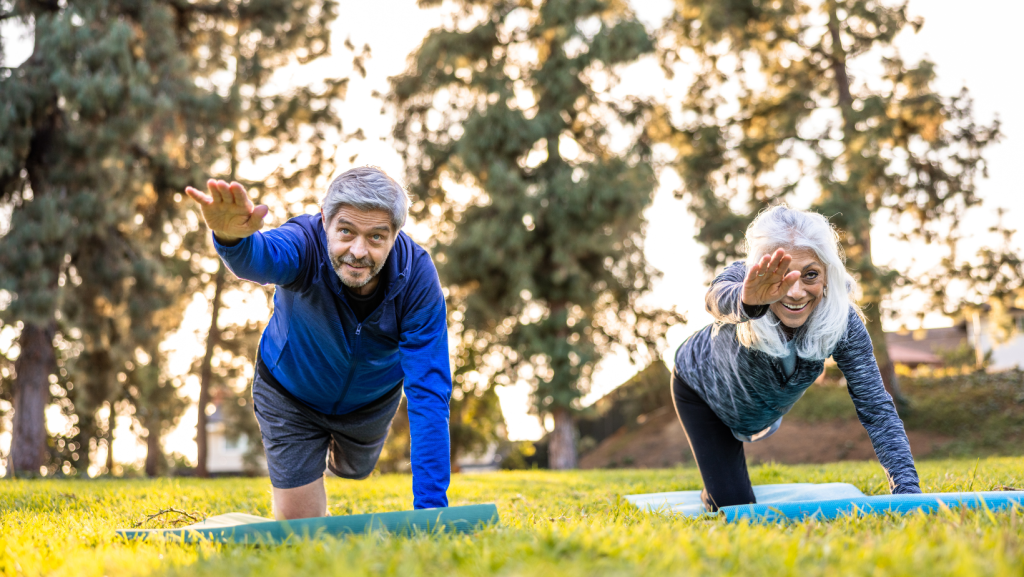
Aerobic exercises such as brisk walking, cycling, or swimming reduce stress and relax you. Incorporating mindful breathing or body awareness into these activities can reduce stress even further. Gentle movement like yoga or tai chi not only releases tension but also instills greater emotional calm and control. Over time, active people take the edge off life’s daily friction and create a kind of psychological armor to buffer them from stress and stress-related ailments.
3. Cognitive Boost
Balancing on one foot or taking new dance steps keeps the brain challenged and, therefore, flexible. Regular exercise is connected with better memory in particular, particularly for older adults, with research tying aerobic training to a larger hippocampus, the part of the brain crucial for memory. More blood and more glucose usage in the brain mean faster thinking and stronger recall. Such changes help to decelerate the pace of mental aging and reduce the likelihood of dementia.
4. Sleep Improvement
Keeping pace with moderate exercise during the day allows you to sleep more soundly at night, longer and deeper. It helps set your body clock, so falling asleep and staying asleep come more easily. Most discover that moving more frequently reduces late-night tossing and turning and renders sleep more rejuvenating. It’s best to forgo hard workouts late in the evening so the mind can chill.
5. Self-Esteem Lift
Meeting exercise targets, even modest ones, provides a feeling of accomplishment and boosts self-esteem. As weeks pass, witnessing yourself get stronger or more enduring delivers a more positive body image. Group classes make it more fun and form new friendships, building social support. Moving together or by yourself makes people feel more empowered and optimistic about what they can accomplish next.
Finding Your Ideal Movement
Retirees thrive when they select movements that match their lifestyle, passions, and capabilities. Evaluating your preferences helps identify enjoyable activities, whether that’s gardening, walking, or taking a group class. By trying out various types of movement, such as dancing, swimming, or tai chi, you allow yourself to discover what resonates with both your body and mind. Establishing tiny, unambiguous goals, such as a 10-minute walk each day, gives your movement a sense of momentum and creates the foundation for a habit that can endure. Most senior communities provide classes or clubs, like chair yoga or group walks, that are convenient and tailored to retirees.
Gentle Starts
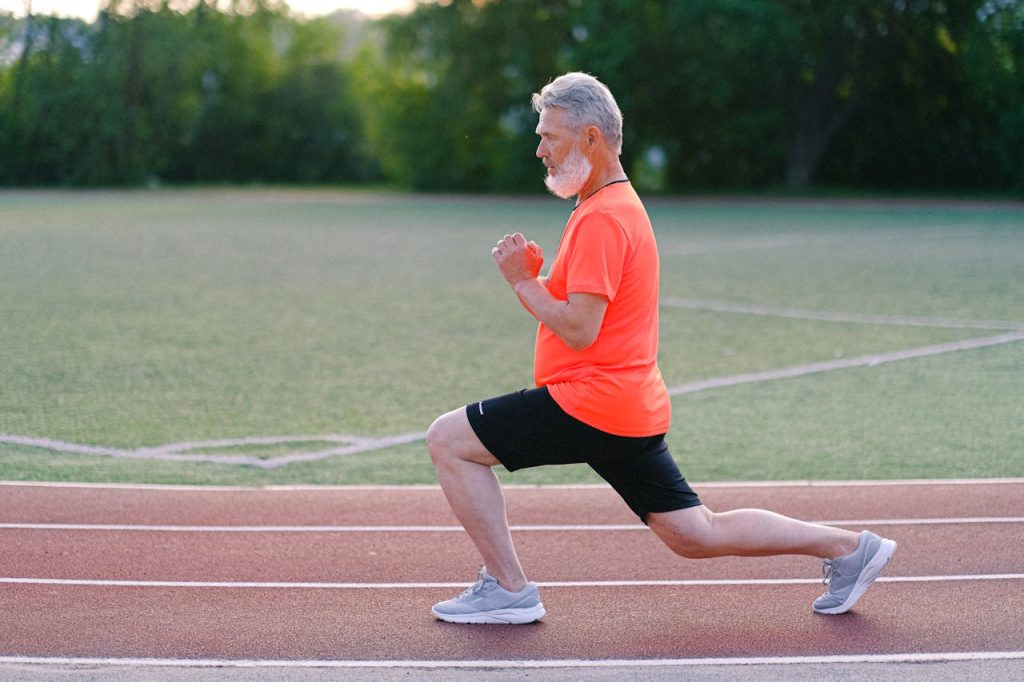
Low-impact activities, like taking strolls around the block or going for a swim in your community pool, get your body used to moving again. If you’re a beginner or restarting exercise, even five minutes of movement, such as one-legged in-home standing or heel-to-toe walking, can be a good place to start.
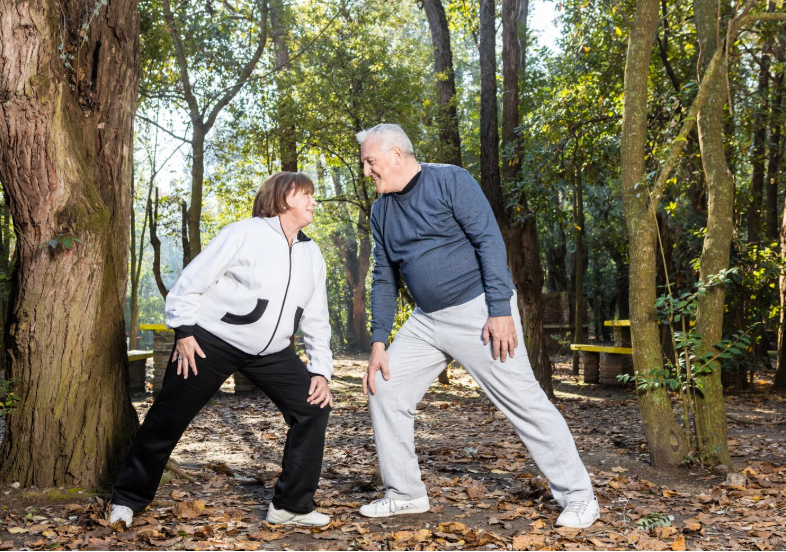
Stretching is important. Light stretches or simple yoga stretches keep joints flexible and muscles loose, minimizing stiffness and the risk of typical injuries. Flexibility routines make daily movements, such as bending or stretching, feel easier.
As you become more comfortable, adding time or hiking a bit faster to these activities will increase your endurance without risk of injury. The point is to do what feels good — be it a walk with a friend or some gentle boogying at home — so exercise is a feel-good moment of the day.
Strength and Balance
Strength training is essential for retirees looking to stay lanky and free. Basic implements such as resistance tubing or bodyweight exercises, like squats and wall push-ups, enable secure and efficient training from home. Enhanced strength means that lugging groceries or climbing stairs is less of a hassle.
Balance-centric practices such as tai chi or even just practicing standing on one leg reduce the likelihood of falls, which is key for both safety and confidence. Both strength and balance training assist with activities of daily living and keep individuals active as they age.
Heart Health
- Brisk walking
- Swimming
- Cycling
- Dancing
- Low-impact aerobics
- Water aerobics
Staying mindful of heart rate during these workouts helps to keep the exertion both safe and efficient. Consistent aerobic activity, even something as small as riding your bike to the market or taking the stairs, builds heart health and staves off disease in the long term.
Social Connection
Community classes — group chair yoga or walking clubs — offer retirees the opportunity to socialize while moving. Group settings tend to promote adherence because friends are supportive and motivating.
Social connections help to fend off loneliness, a boon for mental well-being. Joining local clubs, maybe a dance or hiking group, makes things fun and helps keep your exercise fresh.
Overcoming Common Hurdles
Retirees have their own unique obstacles when it comes to implementing a workout plan, especially when working around mental health needs with physical restrictions or motivation dips. Understanding what impedes us and having realistic strategies to confront these obstacles is essential for sustainable health.
Physical Limitations
A lot of their retirees experience joint pain, arthritis, or mobility issues. Modifying workouts to work with these challenges, not against them, enables a more secure engagement. As your mentor, a physical therapist helps design plans for your specific needs, emphasizing safety and incremental progress. For those needing low-impact alternatives, chair yoga, water aerobics, or slow Tai Chi are perfect. All of these are easy on the joints, enhance balance, and prevent falls. Being in tune with your body helps you catch problems early, allowing you to make adjustments before injury takes hold.
Motivation Slumps
Motivation wanes, particularly when you hit plateaus or your routine becomes stale. Short-term goals, such as walking for 15 minutes a day and then extending to 30 minutes, make the process less intimidating. Track achievement, even if it’s small, with charts or simple fitness apps. There’s nothing like visual proof of progress to boost morale. Working out with friends or family members incorporates a social aspect, which is both motivating and fun. Selecting activities you like, such as swimming or yoga, enhances your chances of maintaining the routine. Reminding yourself that exercise reduces stress and increases mood can help rekindle motivation during difficult stretches.
Fear of Injury
Injury concern is ubiquitous, particularly among novice exercisers. Getting some warm-up and safe technique down is important. Begin with simple motions and shorter periods like 10 to 15 minutes, then gradually ramp up the intensity. This strategy builds confidence and lessens injury risk. Include rest days so you can recover and avoid overtraining. When you can, consult a fitness expert who can verify your form and recommend safe practices. Select safe, well-lit locations to exercise to minimize the risk of accidents even more.
Creating a Sustainable Routine
Building a consistent exercise routine in retirement is about doing the right little things on a daily basis as opposed to trying to do the equivalent of grand gestures. Ideally, you want to build a routine that encourages you to be physically healthy and mentally well. Beginning with some fundamental moves, retirees can leverage gains in balance, flexibility, and strength to promote mental acuity and emotional resilience. A sustainable routine combines physical activity, mindfulness, and sleep. It keeps your energy and motivation sustainable.
Start Small
Start with bite-sized chunks. Walk for 10 minutes post-lunch, do easy stretches, or practice basic yoga flows. These little initiatives get the body comfortable without victimization. As time goes on, add a few extra minutes here and there or experiment with new practices like tai chi, which promotes flexibility and tranquility.
Change doesn’t have to be monumental. Replace white bread with whole grain, add an extra serving of vegetables at dinner, or dedicate a few minutes a day to mindful meditation. They’re tiny, but they establish a foundation for enduring change.
Even daily routines offer opportunities for activity. Climb the stairs instead of the lift, walk to a local shop, or do some basic balance exercises while you wait for the kettle. Every step feels like you are establishing momentum.
Recognize small victories! Completing a week of scheduled walks or stretches makes you feel good and keeps you going.
Schedule It
Block out exercise time on your calendar. Respect these slots as you would doctor visits or family calls. We recommend reminders or alarms. It’s not about intensity; it’s about consistency. Some days, a walk can substitute for a gym session, and that’s okay.
Flexibility counts. If your plans change, reschedule your exercise, but never skip it. It really involves putting yourself in your work where the habit lies.
Find Joy
Experiment with different things—walking, dancing, water aerobics. Discover what’s grooving and groove with it. Tune into music during workouts to spice them up. Other times, a change of scenery, such as a local park, is all it takes to make it enjoyable.
Group classes or social sports inject community into the mix, turning exercise from a grind into a social occasion. This can improve both mood and motivation.
Remember the mental health benefits: regular movement and mindfulness, such as meditation or deep breathing, can reduce stress and increase calm. They establish a good connection between working out and your brain.

The Power of Social Movement
Group exercise provides more than just a physical lift. It fosters network support systems, nurtures psychological resilience, and enables retirees to stay active and involved. Social movement, particularly in a group, is confirmed to aid mental health. It slices through isolation, amplifies motivation, and provides a sense of meaning. Sharing activity with others, be it a walking group, swim class, or yoga session, has proven to reduce depression and anxiety. Exercising social ties can even reduce dementia risk and make life more enjoyable.
Benefit | Group Exercise | Solo Workouts |
Motivation | Strong (peer influence) | Depends on self-driving |
Accountability | High (group checks) | Low |
Social Support | Built-in | Minimal |
Mental Health Impact | Greater improvement | Moderate improvement |
Cognitive Engagement | High (peer interaction) | Lower |
Accountability
There’s something about working out with a partner or group that gets people to stick to goals. When two or more people make a plan, they drive each other to turn up, even on tough days. Fitness classes or group meet-ups make it easier to build a habit since if you miss, you’re letting down the rest of the group. By tracking progress publicly, whether online or in a local club, we increase follow-through. Common objectives, whether it’s to prepare for a 5 km walk or master a new yoga pose, keep motivation high and the journey more meaningful.
Shared Experience
Social experiences build memories. That morning walk, group swim, or dance class can transform into friendships and stories. Community sports, even newbie-level ones, bind us around a common cause. When wins and setbacks are shared, it creates trust and belonging. These bonds assist individuals in combating stress in everyday life and infuse joy into rhythms that might otherwise seem mechanical.
Reduced Isolation
Joining local exercise groups combats loneliness. Even a little club or weekly class can make a big difference. Community events, like park runs or wellness fairs, get people moving and talking. Technology, such as virtual group workouts, links individuals who are unable to gather face-to-face. Socializing like this is correlated with a lower incidence of depression and anxiety. Connections formed in these environments allow the brain to unwind, forget the stress for a moment, and cultivate a feeling of accomplishment.
Beyond the Body: The Mindful Movement Advantage
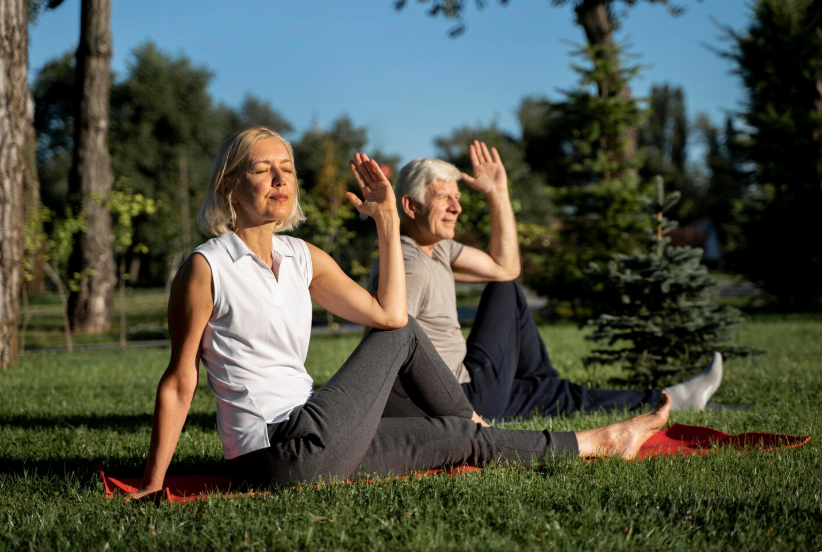
Mindful movement is about using movement as a vehicle for awareness. You can practice it during formal exercise or even mundane activities. This involves paying attention to the moment, sensing how your body feels, how your breath flows, and how your thoughts wander during action. Mindful movement isn’t confined to the gym; it can be mindful walking, chair yoga, or even gentle stretching, which makes it accessible for most retirees. What differentiates mindful movement is the prioritization of mental clarity and emotional well-being, providing a route for those looking for not only physical but also psychological health gains while aging.
To infuse a mindful element here, Robert recommends going beyond the body and embracing stillness within the mind. By centering attention on breath or body sensations during movement, retirees can calm the monkey mind and boost concentration. Just a few minutes a day of mindful movement can help lower stress. Such regular practice builds emotional resilience, training the mind to notice and accept shifting moods — a crucial skill for those who might confront the challenges of retirement or aging. It has been shown to boost flexibility and reduce inflammation — both important for healthy aging — while aiding emotional regulation.
Meditative movement practices such as tai chi and yoga serve as powerful demonstrations of the intersection between exercise and mindfulness. Through its languid, floating motions, tai chi encourages relaxation and mindfulness. Through its gentle movements and breath control, qigong cultivates stillness and equilibrium. These habits do not just sustain the body; they nurture emotional resilience and social connection, which can enhance mood and even improve cognitive acuity. Chair yoga or mindful walking, for example, are similarly small and easy entry points that require minimal equipment or space and are safe for most seniors.
The mental rewards of mindful movement extend even further. It’s about more than just stress relief. Mindfulness can help older adults reconnect with their senses, feel more in tune with their own needs, and gain a sense of agency over their well-being. It’s this holistic approach of mindful movement that looks at health from all angles, where mind and body join forces for a life well lived.
Conclusion
Exercise sculpts a lot more than the body. Whether it’s daily walks in the park or yoga in the living room, exercise upholds mental health with the power to lift mood, reduce stress, and help sleep hit more easily. I can’t tell you how many retirees tell me a swim with friends or group tai chi really brightens their week. Even little measures like stair-climbing and garden-tending bring obvious benefits to mind and soul. To maintain the habit, choose what seems right and enjoyable. Whether it’s joining a walking group, experimenting with new classes, or partnering up with a neighbor, the trick is to keep moving and stay connected.
Frequently Asked Questions
How does exercise improve mental health for retirees?
Exercise releases brain chemicals that make you feel better, calm stress, and combat depression. Regular exercise helps memory and concentration, which is beneficial for retirees.
What type of exercise is best for mental well-being in retirement?
Aerobic activities such as walking, swimming, or cycling work well. Slower movements like yoga and tai chi contribute by alleviating anxiety and encouraging relaxation.
How can retirees start exercising safely?
Start with a health check from your doctor. Begin at a slow pace with activities you enjoy and add intensity as you build stamina. Listen to your body so that you don’t injure yourself.
What are common barriers to exercising in retirement?
Lack of motivation, health problems, fear of injury, and not knowing where to begin are typical obstacles. Social support and small goals can help you overcome these.
How can retirees stay consistent with exercise?
Establish an easy habit, schedule alerts, and log milestones. Exercising with friends or groups can make it more fun and increase your commitment.
Does exercising with others benefit mental health?
Yes, social activities such as group walks or classes can help reduce isolation, boost mood, and provide you with external motivation, making exercise even more potent for mental health.
Can mindful movement practices help with stress?
Mindful movement, yoga, or tai chi, for example, combine gentle exercise with a focus on breathing. This reduces stress, boosts mood, and enhances well-being.