
Key Takeaways
- Fear, doubt, stereotypes, exhaustion, and intimidation are the mental barriers to fitness after 50 that must be faced down. They can be conquered with incremental exposure, education, and positive self-talk.
- Redefining what success means by establishing achievable, personal fitness goals and recognizing non-scale victories cultivates enduring motivation and a healthy attitude toward exercise.
- Making fun, easy-to-do exercise a priority, like brisk walking or gentle yoga, can help fight this fatigue and make fitness more sustainable and enticing.
- Having a strong support system — professional, peers, and family — helps boost your accountability and gives you the emotional and practical support needed on the journey.
- Weekly exercise does more than just keep the body healthy. It fortifies the mind, emotions, and relationships, resulting in a deeper sense of vitality.
- Adapting your plan to these changing health needs and continually reassessing your goals and celebrating your progress can help you stay engaged and successful with fitness after 50.
Mental barriers to fitness after 50 are pervasive roadblocks that prevent scores of individuals from initiating or maintaining a workout regimen. These barriers frequently manifest as concern over injury, intimidation by the gym culture, or uncertainty over which workouts are ideal for older adults. Stress, history, and health concerns can sabotage your motivation to remain active. Some may feel it is too late to start or that they will make gains slowly. To break through these blocks, it helps to be aware of their primary causes and discover solutions that work for you. The following sections reveal simple strategies that assist in dismantling these cognitive barriers and make fitness appear more manageable.

Hidden Challenges in Staying Fit
These unspoken fitness hurdles prevent adults aged 50 and beyond from starting or sustaining a fitness regimen. Legitimate fears, insecurities, prejudices, routine burnout, and feelings of intimidation in new environments form these hurdles. All of these challenges, which are embedded in both personal and societal narratives, can affect how seniors approach exercise.
1. Fear
Fear, particularly of falling or exacerbating an existing condition, is among the most common. In a review of 11 studies on structured exercise, fear of falling emerged as a leading barrier for older adults. Others fret about pain, injury, or exacerbating chronic problems such as osteoporosis or heart disease. Internalized risk perception, particularly in those with brittle bones, increases this fear. The secret to overcoming fear is to educate yourself on safe workout methods and try exercises that are appropriate to your fitness level. Slow exposure to fitness, like chair workouts or walks, can really help. Nothing fuels motivation more than hearing about others who triumphed over your same concerns.
2. Doubt
Others wrestle with the nagging question of whether they can achieve their fitness goals or compete with younger individuals. This suspicion can be amplified by shifting muscle mass and bone density, making movement feel more strenuous. Realistic, short-term goals play an important role. Positive self-talk and affirmations are the machetes we use to push back the jungle of negative thinking. Monitoring those little gains—a farther walk, a heavier weight—feeds back confidence. What’s really motivating is reading testimonials from other students who overcame their own doubts.
3. Stereotypes
Oldster stereotypes warn that seniors ought to exercise conservatively because it’s dangerous. These myths persist in the face of decades of research showing the benefits of active aging. Highlighting pictures of seniors engaging in diverse physical activities, from swimming to cycling, helps in combating these notions. Community conversations eliminate ageism, allowing for a more inclusive fitness arena. By featuring its active aging research, it reinvents how we think about moving and emphasizes that it can enhance life well into old age.
4. Exhaustion
These unspoken hurdles, busy schedules, and diminished energy tend to relegate exercise to the sidelines. Most say they have less time as life gets busier, including work and caregiving. Your rest and recovery have to be the priority. Brief daily practices, such as brisk walking or gentle yoga, can easily slot into busy schedules and increase your vitality. Scheduling exercise when your energy is highest, such as in the morning, makes adherence more realistic.
5. Intimidation
Intimidation, particularly at gyms or in group classes. Social awkwardness, featured in 13 studies, feeds reluctance. Choosing beginner-friendly environments or virtual classes can help ease the intimidation. Compassionate trainers who understand older adults’ difficulties create comfort. Even when virtual, group activities can prevent isolation and foster a sense of community, making fitness less intimidating and promoting long-term investment.
Rewriting Your Fitness Story
Fitness after 50 is not a monolithic journey. Every individual’s path is defined by their own concepts, requirements, and boundaries. They just have these mental blocks, like ‘I’m afraid I’ll get hurt’ or ‘there’s no gym around here.’ These are genuine but can be circumvented. Exercise isn’t just about being fit; it’s about the joy it brings, the stress it relieves, and how it can make aging a little less daunting. Believe it or not, feeling good about exercise makes you happy and keeps you from worrying about aging. When we customize fitness to your life and do not try to force one plan on all, we open up more doors for growth.
Redefine Success
Fitness success is not about measuring up to others. It begins with life goals, such as walking further, standing up more easily, and having more energy for living. Little victories count. Perhaps you find you can squat without discomfort or climb stairs more easily. That’s moving forward. These non-scale victories are just as vital as digits on a scale.
Small goals, such as taking a short walk daily, can accumulate. Over weeks, these steps result in large increases. Perfection is not the objective. What counts is giving it a shot, even when it is hard. All the effort is a victory in health.
Embrace Imperfection
We all have setbacks. It’s OK to miss a workout, to be tired, to need rest. It’s this flexibility with your plan, allowing yourself to drift and adjust, that really helps you stick with it. No two days are going to look the same, and that’s OK.
Tales of individuals who pushed forward, even after difficult days, prove that genuine change comes from persistence. Every attempt, every restart, builds strength in both body and mind. Each time you move, regardless of the result, you are assisting your general fitness.
Focus on Feeling
How you feel during and post-exercise is important. Others discover that motion provides tranquility, energizes their spirit, or deepens their rest. Listening to your body and mind while active helps make workouts less of a chore and more of a breather.
When you do things you like, it’s easier to stay active. Dance, stretch, walk, or game. Pleasure makes a habit and integrates exercise into your life. After a while, the mental boost from working out can be just as massive as the physical gains.
Practical Steps to Start
Overcoming mental fitness barriers past 50 requires a pragmatic, approachable strategy. A specific plan helps to fracture inertia and construct the basis for sustainable habits. Concentrating on consistency, enjoyment, and support, these steps offer practical means for anyone to get moving and keep moving, no matter their age or background.
Start Small
Begin with brief, feasible workouts lasting 10 to 20 minutes, not extended, grueling ones. This builds confidence and stamina without burnout or injury. Splitting activity into 2 or 3 10-minute chunks, like morning walking and evening stretching, works for people new to exercise or coming back after a hiatus.
We can sneak activity into errands and chores. Pace while you’re running errands, take the stairs instead of the elevator, or do squats while waiting for water to boil. These easy habits keep movement a normal part of your life and take the stress out of working out.
Continue increasing frequency and duration as you become comfortable, from two days a week to three, or walks a few minutes longer at a time. Celebrate these milestones, no matter how small, like making it through a week of full adherence or achieving a target number of 10-minute walks, such as four. Recognizing these victories generates motivation and confidence.
Schedule It
Schedule fitness like it’s an important appointment. Pre-plan your workouts and remind yourself with a digital calendar or fitness app. This keeps sessions a priority among other obligations.
Pick a time of day that suits you. Some like mornings, while others find evenings more convenient. Tell a friend or family member about your plan. It adds accountability and makes it harder to blow off a session.
Find Joy
Experiment with various activities, like biking, swimming, and dancing, to find what you enjoy. Join group classes or community events for a social boost that can spice up fitness.
Funny, I even added hobbies like gardening or hiking to the plan. When movement is connected to something you genuinely care about, it doesn’t feel like a burden but feels like an opportunity for happiness, which translates to greater regularity.
Seek Guidance
A fitness professional can design a plan specific to your needs and limitations. Think about taking beginner’s classes to learn from and get comfortable.
A workout buddy is your cheerleader. Use online resources and fitness apps for fresh ideas and continued inspiration.
Beyond the Physical
Fitness after 50 isn’t only about muscle strength or heart health. The true reward is in how exercise sculpts mind, mood, and human relations. These psychological benefits tend to matter more, particularly as we get older and encounter new life shifts.
Mental Clarity
Exercise hardens the brain. Research reveals that senior citizens who stay active have sharper minds and better memories. Getting the body moving promotes blood flow to the brain, which in turn can improve concentration and strengthen memory. Interests that combine physicality and cognition, such as dance or martial arts, push your brain while exercising your body. Introducing mindfulness, such as focused attention on the breath during yoga or walking, can purify the mind and pacify anxiety. Studies connect frequent exercise with reduced brain aging, keeping folks mentally sharp throughout their golden years.
Emotional Resilience
Exercise does more than sculpt muscle; it creates emotional resilience, as well. Most seniors discover that exercise reduces stress and alleviates anxiety. When setbacks come, the active tend to recover more quickly. Physical activity offers a secure medium to overcome challenging moments, whether that is the fear of falling or the concern of injury. For some, falls are an indication to slow down, while others get a new inspiration to remain strong and independent. Just as the tales of human grit that persevere through physical setbacks reveal, fitness can empower anyone to confront life’s challenges. For many, it’s a triumph over insecurity or anxiety. These mini-victories accumulate over time, developing genuine coping skills that endure.
Social Connection
Fitness is simpler and more enjoyable when you do it with others. Group classes, walking clubs, or local sports meet-ups can break the ice and form new friendships. These social connections are what bring people back, even on tough days. Support from others, be it a friendly face at the gym or a nudge from a healthcare provider, can mean all the difference. Peer pressure and common purpose increase your drive and reduce the chances that someone will quit. The right program, safe, simple to access, and local, makes older adults feel at home. When fitness becomes communal, it is more than exercise. It is about being seen, being valued, and being connected.

Building Your Support System
Support is key to defeating the mental wall post-50 fitness. Your entourage can influence your optimism and motivation. A solid support system maintains your motivation during times when your own discipline wanes or you experience a setback. Being candid with family and friends about your fitness targets makes the path less isolated. Sharing both progress and struggles can give you a sense of belonging. Local fitness groups and online forums provide additional support, providing motivation and community. Having someone to check in with, an accountability partner, can be the difference between quitting and persevering, allowing us to forgive ourselves if we miss a day and try again.
Professional Allies
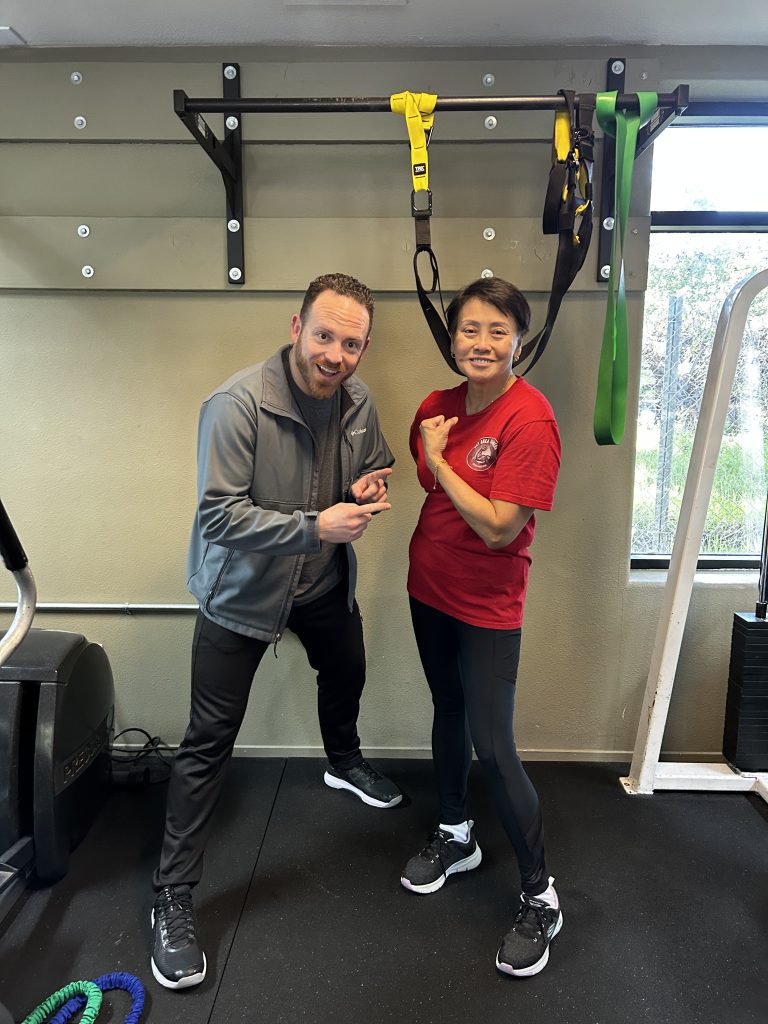
Trained fitness experts who specialize in helping older adults can create workout plans that fit your unique needs as you age. They know how to plan safely and effectively. Regular check-ins with your trainer help them adjust your exercises as you improve or face challenges. This ongoing feedback is key to achieving lasting success in your fitness journey.
PTs are your friends if you have health issues or injuries. They can engineer movements that facilitate healing and avoid new issues. Wellness coaches provide a more comprehensive approach. They inform not just exercise but also diet and stress control, expanding the structural support beyond just physical movement.
Peer Motivation
Working out with peers can transform fitness from a solitary mission to a communal effort. Group sessions and community classes create camaraderie, which makes hard days easier. Friendly competition, whether it’s tracking steps or shared goals, makes it fun and motivates everyone to work a little harder.
Community events like charity walks or neighborhood races can inspire new friendships and continue to restore dedication. Whether with in-person or online peer groups, sharing wins and progress provides consistent motivation. This mutual experience creates cycles of motivation and accountability.
Family Encouragement
Working out with family members blends bonding time with wellness. Even simple activities like walking, bike riding, or dancing together can make getting fit feel less intimidating and more enjoyable. When families support one another’s fitness goals, motivation and long-term consistency tend to increase.
Organize movement-based outings, such as hiking or swimming, to keep everyone active and close as a family. When your discipline wavers, having your family cheer you on provides both comfort and a sense of accountability. It’s about building your support system. Involving your loved ones in this way creates a virtuous circle, whereby it’s easier to get back on track after missed days.
Adapting for the Long Haul
Staying active after 50 requires a plan that can evolve as health needs transform. No one routine works for everyone, so this flexible approach is what counts. This means considering your personal requirements, your lifestyle, and your environment. A plan that fits your body, habits, and community keeps you engaged. For some, that means a 10-minute stroll every day; others are better suited to group classes. Little steps, like attempting to add 5 minutes to your schedule, help establish a habit without pressure. It is a nice approach for anyone who hasn’t exercised much in years, and it is essential for seniors who deal with restrictions, financial challenges, or who live far from fitness centers or parks.
Health targets require periodic check-ins to ensure they still align well with your lifestyle. What works at 50 won’t work at 60. If a goal is too hard or ceases to feel right, change it. Monitor your progress by jotting it down, using an app, or logging it. When you observe results or any victories, it generates confidence in yourself. This self-confidence, known as self-efficacy, is crucial for adhering to exercise over multiple years.
By weaving movement into each day, it becomes routine, not a chore. Walk to the store, stretch during TV time, or participate in a neighborhood walk group. Those with solid social support, whether it is from family, friends, or a fitness community, are more likely to be on the move and continue doing so. Community support goes a long way, especially for those who have more barriers to activity.
Nothing motivates quite like making a dent, even a minor one. Enjoy when you hit a milestone—perhaps you walk a little quicker, perhaps a bit further. It allows you to view expansion, not mere expansion of your to-do list. Adapt for the long haul. A growth mindset, which treats errors as learning, prevents surrender. Over the long term, these habits deliver massive health rewards, such as a stronger heart, improved blood sugar, and a lowered risk of disease.
Conclusion
To chip away at mental barriers to fitness after 50, begin with incremental progress and self-honesty. Doubt and fear will always lurk, but genuine forward momentum arrives with every decision to keep going. Sharing your wins and struggles with friends or a workout group makes all the difference. Be open to new things, like a group walk or new stretches. Listen to your body and provide it with what it requires. Your mind will come along as you persist. Age doesn’t mean you need to slow down; just discover what suits you now. Would you like to exchange ideas or advice? Jump into the discussion below or contribute your own experience.
Frequently Asked Questions
What are common mental barriers to fitness after age 50?
Typical barriers include fear of injury, motivation, self-doubt, and feeling like you don’t belong. Identifying these challenges is the beginning of breaking them down and creating a healthier lifestyle.
How can I stay motivated to exercise after 50?
Make achievable goals and celebrate small victories. Find activities you like. Monitor your progress and join group classes. Both are great for motivation and make fitness fun.
Is it safe to start exercising after 50?
Yes, fine. Begin with low-impact activities and ramp up carefully. Check with your doctor before starting any new fitness regimen, particularly if you have any health concerns.
How can I adapt workouts for joint pain or mobility issues?
Opt for low-impact activities like swimming, cycling, or walking. Stretch before and after your workout. Always listen to your body and steer clear of pain-inducing movements.
Why is a support system important for fitness after 50?
Friends, family, or group support keeps you honest and motivated. Sharing your goals and progress can help make the journey more fun and less lonely.
What mental benefits does exercise provide for those over 50?
Exercise enhances mood, relieves stress, and helps maintain a healthy brain. It can increase self-esteem and alleviate symptoms of anxiety or depression.
How do I maintain long-term fitness after 50?
Give yourself a schedule that matches your lifestyle. Continue to tweak activities as your needs evolve. Keep an open mind, create new objectives, and emphasize frequency instead of flawlessness.