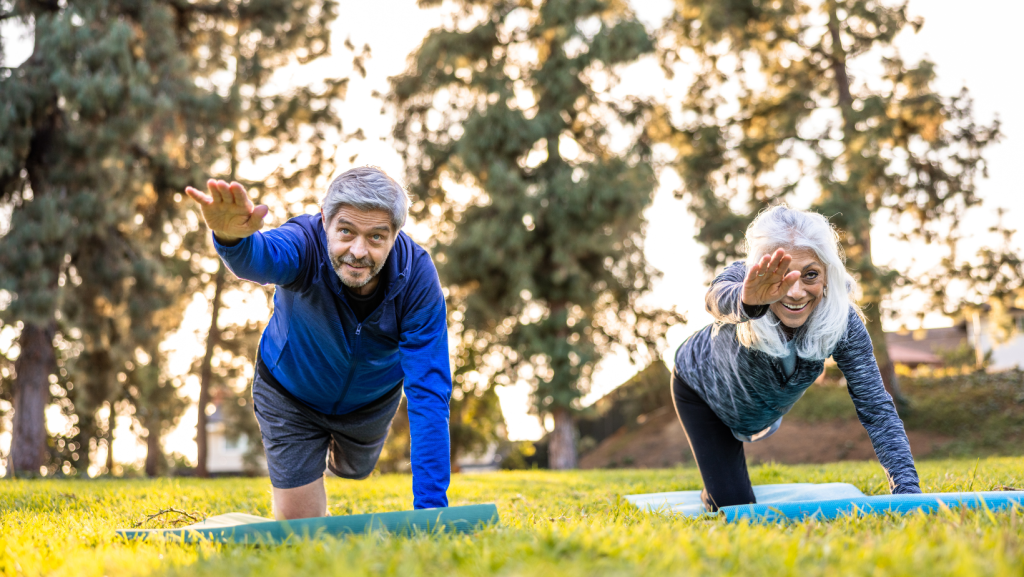
Fitness for beginners over 50 means starting a secure, straightforward regimen that keeps the body strong, steady, and healthy. A lot of folks at this age are interested in staying active, alleviating joint pain, and keeping up with the grind. Walking, stretching, or light strength moves tend to do the trick when you’re just beginning. Physicians and trainers advise easing into it, prioritizing activities that align with what is enjoyable for your body. Health organizations now report that even brief daily moves boost mood, aid sleep, and help the heart. Basic habits take you far for better health in the long run. And if you’re unsure where to begin, Fitness Ellipsis is here to help you build a safe, personalized plan that fits your life and goals. In this post, get tips and practical steps to begin a new fitness plan that works for you.
Key Takeaways
- Start by finding your ‘why’ and thinking long-term, not just short-term or weight-based goals.
- In general, my advice is to focus on a balanced routine including strength, cardio, flexibility, and balance exercises, while listening to your body and modifying activities as needed for safety and comfort.
- Personally, I believe it’s important to set realistic and specific goals that use measurable benchmarks and track your progress consistently.
- Nutritional basics: Fuel your workouts with a variety of fresh, nutrient-dense foods, sufficient protein, and hydration to promote muscle health, recovery, and lasting energy.
- Identify common challenges, whether it is fear of the gym, old injuries, or motivation, and combat them with support, adapted routines, and celebration of small successes.
- Consult healthcare or fitness pros when needed to make sure your exercise plan is safe, effective, and suits you.
Redefine Your Fitness “Why”
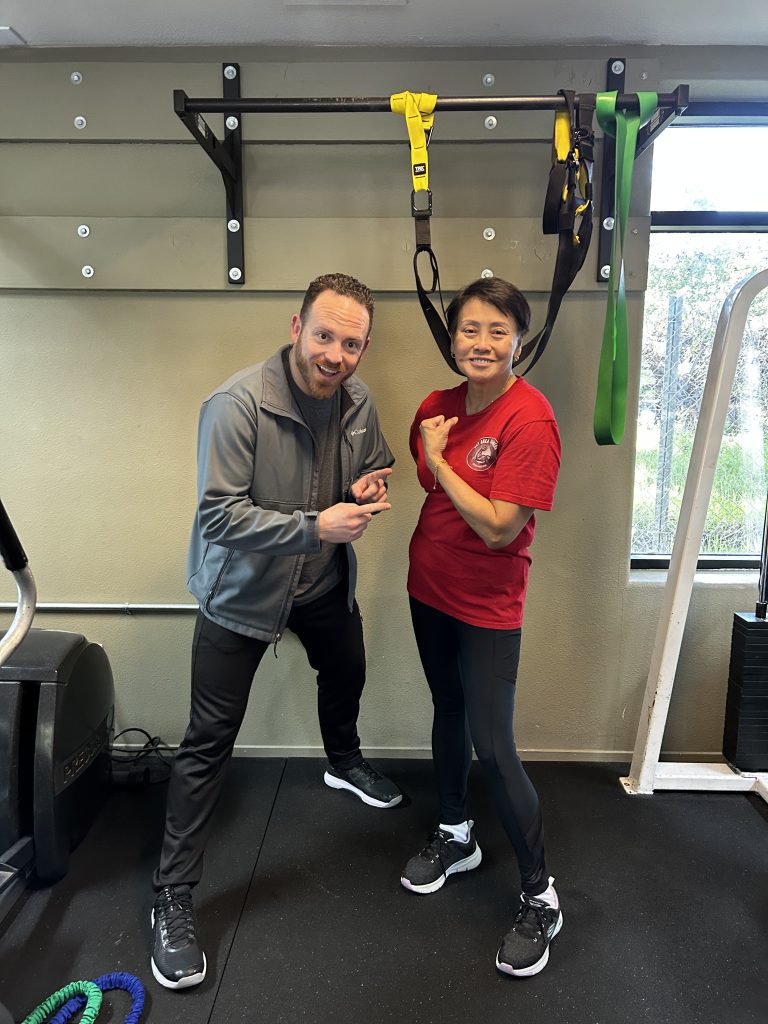
Fitness for beginners over 50 is about more than pursuing a number on the scale,e and it’s about finding enjoyable physical activity that enhances your quality of life. This journey begins by examining what motivates you to move;e, perhaps you desire to control a health condition, keep pace with loved ones, or just feel better upon waking. Engaging in a consistent workout routine, including options like gentle cardio exercises or strength training, can decelerate age-related changes such as slower metabolism and weaker bones. A positive vision, with wellness and freedom as your destination, creates a more sustainable transformation and helps maintain balance, reduce fall risk, and stay mentally sharp.
Beyond The Scale
Redefine your fitness ‘why’ by incorporating a balanced exercise program that emphasizes both strength training and cardio workouts. Energy, mood, and day-to-day comfort are progress indicators that outweigh kilograms shed. If you find that you can manage stairs with less effort, that’s a victory. Maybe you sleep better or feel less stiff. These are non-scale victories. Begin to quantify how much you walk, how strong you feel, or how much longer you can play with grandkids. Muscle gain could have your weight remaining the same, but your body is stronger. It’s about redefining your fitness ‘why’ not for aesthetic reasons, but to create a body that functions for life.
For Future You
Just envision how today’s decisions impact your life a decade down the road. Staying active through a vigorous intensity activity routine reduces your risk of diabetes, heart disease, and bone fractures. Good habits mean you get to be independent, move freely, and keep doing what you love. Others use journals or vision boards to imagine what their future self looks like, taking walks in the park, traveling, or joining a local sports club. Consider what matters to you most, then make decisions that assist you in achieving those objectives over the long term.
Celebrate Consistency
Baby steps taken every day make a difference. Aim for a minimum of 150 minutes of moderate intensity activity a week and scatter it if you must. Combine strength, balance, flexibility, and aerobic exercise. Track your progress in a notebook or app. Every stroll and every squat, brief, adds up. When you adhere to your plan, reward yourself with something you like, a favorite meal, a peaceful break, or some gossip with friends. Consistency, not perfection, creates true strength and enduring transformation.
Your First Week Fitness Plan
A good plan lays out clear steps for the beginner over 50, making it easier to begin and measure progress in their fitness journey. Mixing up movement types, strength training, cardio workouts, and flexibility provides balance while keeping things interesting. Start out with what you can safely handle, such as 20 to 30 minutes of moderate intensity activity, 5 days per week. Log every session in a planner or app. Rest days, at least one or two per week, are essential for recovery and long-term consistency.
1. Assess Your Baseline
Begin by recording how far you can walk without strain or how many push-ups and squats you can perform with good form. If you have chronic joint pain, high blood pressure, or other health issues, make sure to list these, as they can impact your exercise program. Use this baseline to establish safe boundaries and avoid the temptation to push too hard in week one or any subsequent weeks. Benchmarks, such as the distance you can walk in 10 minutes, will help you measure your progress weekly, identifying areas where you gain strength and where you should incorporate more moderate intensity activities.
2. Set Realistic Goals
Pick goals that are specific and measurable, such as ‘walk 2 km without stopping’ or ‘do 10 perfectly formed squats.’ Short-term goals like getting in three strength training sessions one week keep you on track and build confidence. If you feel pain, pull back your goals, emphasizing what you can do, not what you can’t. Incorporate a cardio workout into your routine, and write these goals in a notebook to remind yourself why you started and hold yourself accountable.
3. Schedule Your Sessions
Make your workout appointments by scheduling them in your calendar at times you can commit to. Aim for 150 minutes of moderate intensity activity, such as walking or cycling, throughout the week. Incorporate two days of strength training with resistance exercises and a day of gentle cardio exercises for optimal health benefits. If you miss a session, adjust your plan B, but don’t fall behind.
4. Prioritize Movement Types
Balance strength, cardio workout, and flexibility for optimal health benefits. Test walking, swimming, or cycling for your cardio routine. Strength training can involve bands or light weights, such as dumbbells. Incorporating gentle yoga or basic stretches assists with flexibility. Draft in exercises that simulate real-life moves, like standing from a chair or reaching overhead.
5. Listen To Your Body
Pay attention to how you feel with each session of your exercise program. Slow down or switch an exercise if you experience sharp pain or lingering discomfort. Schedule a rest day after two or three vigorous intensity activities. If you’re tired, don’t push and rest, which fuels muscle repair and growth. Be mindful of indicators such as joint inflammation or light-headedness and adapt your plan to prioritize safety.
Foundational Movements To Master
Building a fitness base after the age of 50 means focusing on key movement patterns that support strength training, mobility, balance, and cardiovascular health through moderate-intensity activities. Each movement can be modified to suit your needs, weighted or unweighted, for an effective home workout.
| Movement Pattern | Example Exercise | Purpose | Modification Options |
| Squat | Bodyweight squat | Lower body strength | Chair support, partial squats |
| Lunge | Forward lunge | Balance, leg power | Stationary lunge, wall support |
| Hinge | Hip hinge, deadlift | Posterior chain, back health | Light weights, broomstick assist |
| Push | Wall push-up | Upper body strength | Incline push-ups, resistance bands |
| Pull | Seated row with band | Back, arm strength | Light bands, towel rows |
| Carry | Farmer’s walk | Grip, core, total body | Lighter weights, shorter distance |
| Rotation | Seated trunk rotation | Core, coordination | Gentle range, dynamic stretches |
Gentle Strength
Start with easy, low-resistance maneuvers like leg lifts, chair stands, or bodyweight squats. These combat sarcopenia or age-related muscle loss by working large muscle groups in a safe manner. Resistance bands and light dumbbells are great ways to introduce a gentle challenge without strain.
Be sure to hit all the big muscle groups. That means squats for legs, push and pull movements for arms and back, and even farmer’s carries to train grip and core. Try to achieve two or three brief strength workouts per week.
Essential Balance
Balance drills are important at any age, but especially critical for remaining steady and secure later in life. Attempt to stand on one leg or walk heel to toe, grabbing a solid chair or wall for support in the beginning days.
Stick with it, balance reduces your chances of falling and enables you to move with assurance. As you advance, release your assistance for small bursts. Step up the difficulty as you become comfortable.
Daily Flexibility
Stretching daily maintains joint flexibility and promotes mobility. Stay in each stretch for 15 to 30 seconds, targeting primary muscle groups: legs, hips, back, and shoulders.
Supplementing with yoga or pilates works on both of these topical areas. Post-workout, employ static stretches to assist muscles in recovering and remaining limber.
Low-Impact Cardio
Walking, cycling, or swimming are your joint-safe and heart-healthy foundational movements to master. Aim for 150 minutes of moderate cardio a week. Monitor your pulse and maintain a safe range.
Add time and days as your body acclimates. These activities, combined with rotational moves, increase general fitness and assist in carrying power from your lower to upper body.

Fueling Your Fitness Journey
A good nutrition plan is critical for fitness, particularly when you’re just getting started and over 50. Fuel your fitness journey with nutrient-dense eats that assist your body to train, recover, and adapt. By fueling with balanced meals and smart snacks, it’s easier to hit your targets and keep your energy high,h whether you’re looking to lose weight, gain muscle, or just feel a little healthier overall. This table summarizes the key elements that should be in your diet.
| Nutrient | Function | Food Examples |
| Protein | Muscle repair and growth | Chicken, fish, eggs, beans |
| Carbohydrates | Energy for workouts | Oatmeal, wholegrain bread, rice |
| Healthy Fats | Hormone balance, sustained energy | Nuts, seeds, olive oil |
| Vitamins | Immune support, cell function | Leafy greens, citrus, berries |
| Minerals | Bone health, muscle function | Dairy, leafy greens, legumes |
| Fiber | Digestive health | Vegetables, fruits, whole grains |
| Water | Hydration, nutrient transport | Water, herbal teas |
Meal prepping presents a convenient means of fueling your regimen. Incorporate an array of colorful fruits and veggies, es but they will supply vital recovery and immune-supporting vitamins and minerals. Mind your portions, and this will help you control your energy intake and sustain a healthy weight as you boost activity.
Protein Priority
After age 50, your body becomes increasingly resistant to using protein to build muscle. Adequate protein intake every day is essential for muscle preservation and repair, particularly in the aftermath of training sessions. Include lean protein sources such as chicken, fish, eggs, beans, and legumes in every single meal.
Incorporating a protein-rich snack within 30 to 60 minutes post-exercise can assist muscle recovery and maintain energy. Choices such as Greek yogurt, cottage cheese, or a small serving of nuts can work well. Keep an eye on your protein consumption to ensure it aligns with your objectives and exercise routine. For others, increased protein requirements per day play a role in avoiding muscle degeneration and frailty.
Hydration Habits
Staying hydrated is key to performance and recovery. Sip water throughout the day, and test your pee color. Pale yellow is typically well hydrated. Water suffices for workouts under an hour, but for longer or intense workouts, opt for drinks with electrolytes to replenish key minerals lost via sweat.
Keep a water bottle nearby to nudge you to rehydrate. This tiny habit pays huge dividends, particularly because dehydration stunts performance and recovery.
Smart Recovery
Recovery is just as important as training. Schedule frequent rest days so muscles can repair and develop.
On these days, mild activity such as walking or light stretching encourages circulation and prevents stiffness. Foam rolling or an easy self-massage can reduce soreness and increase flexibility.
Quality sleep is another piece of the recovery puzzle. Sleep well, in addition to dreaming big.
Navigating Common Hurdles
Overcoming typical pitfalls. Starting a fitness routine after 50 can introduce unique barriers. Small steps can make the journey smoother. Many new exercisers face these common hurdles:
- Fear of injury or worsening old injuries
- Uncertainty about using gym equipment
- Lack of confidence or feeling self-conscious
- Difficulty staying motivated
- Time management issues
- Limited support from friends or family
- Health conditions like diabetes or joint pain
- Boredom with repetitive routines
Some strategies to navigate these common hurdles are to find a workout partner to keep you accountable, try scheduling exercise sessions with reminders in your calendar, and focus on simple, functional movements like walking, taking the stairs, or getting up from a chair. These moves inspire confidence and simplify daily living. Keep in mind that studies point out that extended sitting can negate even 30 minutes of exercise. Daily motion, such as biking, swimming, or walking, maintains good circulation and prevents obesity and diabetes.
Overcoming Gym Fear
Going to the gym during slower hours acclimates a lot of people to the space without the stress of feeling hurried or observed. Consider starting with one of those newbie-friendly classes or booking a session with a trainer to get you started with the basics and form for your workout routine. This reduces injury risk and helps you feel comfortable. Concentrate on crossing your own hurdles and don’t worry about what others are doing because everybody has a different set of hurdles. They’re concerned about their own physical activity, not yours, so turn off the noise.
Managing Old Injuries
A professional can provide you with specific guidance if you have prior injuries, highlighting which moves to steer clear of. Adjust your workout routine if necessary, replacing high-impact leaping with low-impact swimming or walking. Others discover that stretching and strength training via bands or light weights bolsters old injuries and averts new ones. Low-impact alternatives like cycling or a water exercise program tend to be gentler on joints and allow you to keep moving without discomfort.
Staying Motivated
Establish reachable milestones, such as accomplishing three walks per week, and ticking them off to gain momentum. Acknowledging these victories, even if they are small, helps keep morale high. Navigating common hurdles, like participating in a home workout or joining online forums, adds support, making physical activity feel social rather than a chore. Experiment with fresh healthy habits, like a dance class or a vigorous intensity activity hike, to keep things exciting and reduce monotony. Just keep reminding yourself that exercise makes you feel better and healthier, and it’s worth the effort.
When To Seek Guidance
When to seek guidance is crucial for seniors looking to start a fitness program safely and experience real progress. If you haven’t worked out for a while or have health issues, check with a GP before you begin. This initial step can assist in identifying hazards and sculpting a strategy that suits your demands. A fitness pro can steer you in the right direction, from selecting the proper shoe to teaching you how to limber up your joints. If you handle long-term health issues, a coach who’s experienced in your sphere can demonstrate safe exercises, including strength training, so you get into shape without injury.
When you feel pain or discomfort that lingers, pause and consult. Not all soreness is beneficial. If you experience chest pain, shortness of breath, dizziness, or become ill during a vigorous intensity activity, discontinue immediately and get assistance. These symptoms indicate that the exercise might be excessive or that you require a doctor’s visit. If your muscles or joints still ache the following day, you likely pushed too hard. A trainer or PT can help you switch things up in your workout routine, so you progress without injuring yourself.
A personal trainer can assist you in constructing a workout schedule that’s appropriate for your age and health. For adults 65 and older, aim to work on strength, balance, and stretch at least two days a week. A trainer can demonstrate how to perform these moves safely and modify them as you become stronger. If you’re new to working out, stick with low-impact moves such as walking, biking, or water exercise. Guidance teaches you when to raise the pace, so you don’t get hurt or burned out.
Fitness apps and online classes keep you inspired and track your steps. If you don’t know how to fit fitness into your day or if you fear doing too much, these tools provide advice and plans. If you find yourself uncomfortable with new moves, reach out to a coach or enroll in a group where you can receive guidance and ask questions.

Conclusion
Beginning fitness after 50 is exciting and adventurous. Every step counts, even the little ones. Experiment with a variety of exercises, take your time, and be receptive to new information. Eat to power your day. Rest when your body demands. Hear your aches and consult an expert if things feel out of whack. Progress manifests itself in your movement, not only in digits. Real gains take consistency, not intensity. Big changes come from steady habits, not short bursts of motivation. Keep your “why” close and let it guide you forward. Share your wins and challenges with supportive friends or a community that understands your journey. And if you’d like expert guidance tailored specifically to your stage of life, Fitness Ellipsis is ready to support you with safe, sustainable training designed for long-term strength and confidence. Your next chapter starts with one step, and we’re here when you’re ready.
Frequently Asked Questions
1. What Is The Best Way To Start Fitness After 50?
Start with low-impact activities such as walking or swimming, which are great for older adults. Aim for consistency in your workout routine, gradually incorporating strength exercises and flexibility exercises to improve overall physical fitness. Be sure to listen to your body and consult a healthcare provider before starting a new exercise program.
2. How Often Should Beginners Over 50 Exercise?
Aim for at least 3 days of moderate intensity activity per week. Start with shorter sessions of 20 to 30 minutes, incorporating strength exercises and gentle cardio exercises, while ensuring rest days for recovery and injury prevention.
3. Which Exercises Are Safest For Beginners Over 50?
Walking, cycling, and swimming are easy on the joints and can be part of a gentle cardio exercise program. Bodyweight exercises, such as squats and wall push-ups, are safe and effective for older adults.
4. What Should I Eat To Support My New Fitness Routine?
Emphasize balanced plates with fruit, veggies, lean proteins, and whole grains to support your workout routine. Remember to drink water and stay away from processed foods for improved strength and general well-being.
5. How Do I Stay Motivated To Exercise Regularly?
Become goal-oriented with fitness goals that are realistic for beginners over 50. Engaging in a cardio workout or joining a group can increase motivation. Take joy in small victories from your workout routine to maintain your enthusiasm.
Get Started With Fitness For Beginners Over 50 At Fitness Ellipsis!
Ready to feel stronger, healthier, and more confident after 50? At Fitness Ellipsis, we know that starting (or restarting) a fitness routine can feel intimidating, especially if it’s been years. That’s why we focus on beginner-friendly coaching that meets you exactly where you are, with a plan that feels realistic, safe, and motivating from day one.
Whether you’re brand new to exercise or getting back into shape after a long break, our experienced coaches provide personalized fitness assessments and age-appropriate programs designed for adults over 50. From building strength and improving mobility to boosting energy and supporting long-term wellness, we help you create a routine you can actually stick with. Don’t let uncertainty hold you back. Join the Fitness Ellipsis community and take the first step toward feeling better in your body again. Connect with us today and let’s build your fitness foundation the right way.