
Key Takeaways
- You should diversify your exercise routine beyond walking to address muscle strength, bone density, balance, and upper body engagement for comprehensive health benefits.
- Strength training and jumping include resistance and weight-bearing exercises needed to help maintain muscle mass, improve bone density, and reduce osteoporosis risk as you age.
- Balance-centric activities such as tai chi, yoga, and agility drills help enhance stability, coordination, and fall prevention. All of these gain importance as we age.
- Resistance training from bodyweight exercises to free weights and bands promotes muscle strength, metabolic health, and injury prevention. It can be personalized to any fitness level.
- Taking a holistic approach that encompasses diverse forms of exercise, balanced nutrition, and restorative sleep creates synergy for both physical and mental well-being.
- Regular assessment of your fitness level, goal setting with the SMART framework, and ongoing progress tracking will help you build and maintain a balanced routine tailored to your needs.
Walking keeps your body moving, but walking alone does not provide your body with everything it needs to age well. To age well, you need to employ a variety of movements, such as strength work, balance exercises, and stretches. Such moves reduce the risk of falls, increase your happiness, and keep your joints functioning properly. Walks aren’t enough; your body needs TLC. Each kind of move has a real function. You can construct your own regimen that matches your lifestyle and your wellness objectives. The following sections demonstrate how you can attempt this moderate scheme.

The Unseen Gaps In Walking
Walking is such an important habit for health, providing numerous health benefits. It reduces your chances of dementia, maintains your cardiovascular health, and extends your life. Engaging in brisk walking, at a pace above 1.6 km/h, is associated with reduced risk of respiratory disease and hypertension. Even moderate step counts around 3,800 steps can significantly lower dementia risk by 25%. Approximately 9,800 steps a day might be the brain’s ideal, as new research shows that brisk walkers experience a 13% reduced risk of cognitive decline for every 0.1 m/s increase in their pace, highlighting the importance of physical activity in aging well.
1. Muscle Neglect
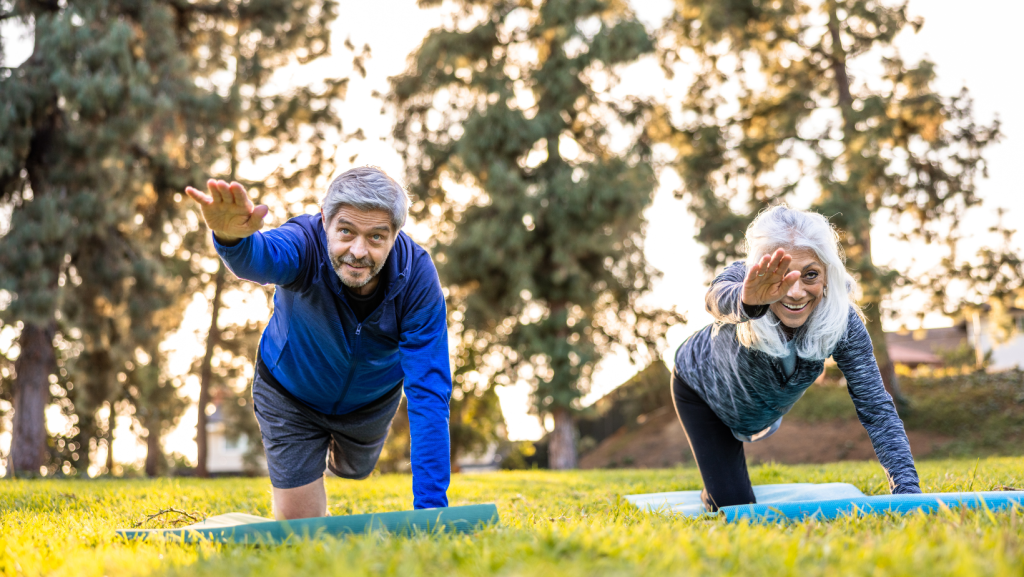
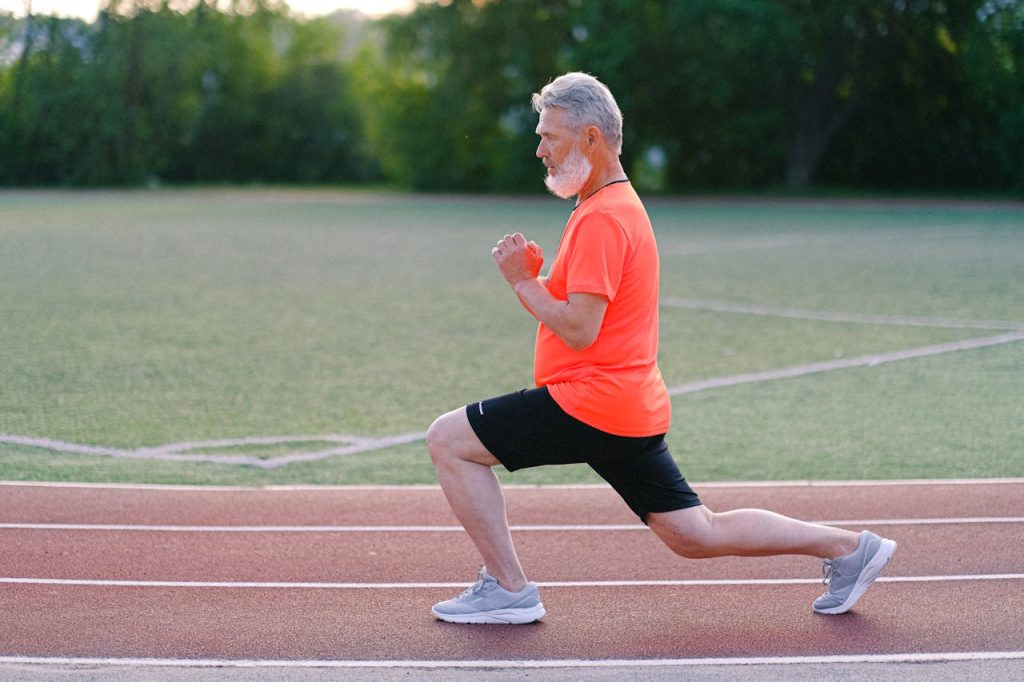
Strength training is just as important as walking. As you age, you lose muscle mass rapidly unless you fight to maintain it. Walking mostly exercises your legs and doesn’t do much for your arms, chest, or back. This can create weak spots or imbalances in your body. Walking does not work out muscles everywhere. Then you can incorporate simple resistance moves such as squats, lunges, or push-ups. Resistance bands are inexpensive and convenient at-home solutions. Try pulling your own weight or weights if you have them.
Switching up your workouts, not just with walking, but with planks and pulls, targets what walking misses. That way, you remain strong, loose-moving, and more stable on your feet as you grow older.
2. Bone Density
Bones become more brittle with age, increasing the risk of fractures from falls. While walking is a beneficial weight-bearing activity, it may not provide sufficient stress for maintaining bone density. Incorporating resistance exercise, such as weights, squats, or jumps, is essential for optimal bone health. Engaging in balance activities and structured exercise like light jumping jacks or stair climbing a few times per week can enhance both muscle tone and bone strength, leading to numerous health benefits over time.
3. Balance Deficits
You don’t improve your balance activities by simply walking along a straight path. As you age, your balance deteriorates unless you engage in physical activities that challenge it. Inadequate balance is one of the leading causes of falls, resulting in injury. You need exercises that truly test your balance. Balance exercises such as yoga or tai chi may assist. See if you can stand on one leg o, or better yet, a wobble board, to really test your edge. Consistent balance exercises create agility and prevent you from falling.
4. Upper Body
Walking, while beneficial for cardiovascular health, doesn’t do much for your arms or upper back. To achieve a balanced routine, incorporate upper-body strength exercises such as push-ups, resistance band pulls, or swimming. Activities like rowing or boxing can enhance your physical activity levels, ensuring a well-rounded program that supports healthy aging and numerous health benefits.
5. Movement Planes
It’s mostly forward walking, but incorporating balance activities and various physical activities like side lunges, twists, or dance moves can enhance your overall health. Engaging in these exercises helps develop abilities for life, promoting a healthy lifestyle beyond just forward progress.
Combat Age-Related Decline
Age-related decline is characterized by a gradual decrease in muscle and bone mass, increased susceptibility to falls, and a change in your body’s reaction to basic movement. Incorporating daily walks is a good beginning, as studies associate 3,800 steps a day with a 25% lower risk of developing dementia. However, it will not compensate for the more fundamental muscle, bone, and balance activities changes that define your long-term health. You require a more comprehensive strategy to combat sarcopenia, osteoporosis, and balance deterioration.
Sarcopenia
Sarcopenia is the age-related loss of muscle mass, strength, and function, often observed as a gradual decline in grip strength or difficulty standing from a seated position. As you age, relying solely on steady walking may lead to a decline in muscle strength faster than you can develop it. To combat this trend, incorporating strength training programs into your routine is essential. Engaging in resistance exercises, such as lifting weights, using resistance bands, or performing bodyweight moves like squats and push-ups, can significantly enhance your muscle tone. Studies suggest that participating in structured exercise just two to three times a week can effectively fight off and sometimes reverse muscle loss.
Your nutrition assists as well. Consuming sufficient protein, approximately 1.2 grams per kilo of body weight per day, will allow your muscles to repair and grow after every training session. Incorporate easy-to-cook options such as eggs, beans, and tofu into your plate. If you struggle to get adequate protein from food, try a supplement, but consult a doctor or dietitian in advance.
Resistance training should be a regular part of your weekly routine. You don’t need a gym; simple tools or your body weight at home can suffice. This is especially crucial for seniors, as maintaining muscle mass not only makes daily activities easier but also reduces the risk of falls, allowing you to enjoy a longer, more independent life.
Osteoporosis
Osteoporosis makes your bones weak and susceptible to breaks. If you fall, your risk of fracture is much higher, and healing can be slow. It diminishes your independence and lifestyle. Weight-bearing exercises like power walking, stair climbing, or dancing build stronger bones. Attempt to incorporate resistance moves such as lunges or light weight lifting. Both places put enough exercise stress on your bones to cause them to rebuild and become denser.
Nutrition is equally important. Reach for calcium and vitamin D-packed foods like dairy, leafy greens, or fortified grains. Sunlight assists your body in synthesizing vitamin D. If you reside somewhere with limited sun exposure, you might require a supplement. Bone density scans, beginning in your 50s, will detect bone loss when it is still minimal. Check with your doctor as to when you should begin.
Fall Prevention
- Sit-to-stand exercises
- Heel-to-toe walking
- One-legged stands near a wall
- Side leg raises
Incorporate these into your week to strengthen your leg power and stability. Even brief workouts a couple of times a week can have an impact. These balance drills train your body to respond quicker and in a more controlled manner. This keeps you standing when you stumble or skid.
Give mindful movement a try as well. Yoga, tai chi, or slow stretching routines make you feel your body move. They train you to shift weight safely and develop body awareness, which reduces fall risk.
Search for local classes or online tutorials on fall prevention. Most health clubs now have programs for all ages. You’ll discover group classes that can support you and keep you motivated.
The Power Of Resistance
Walking is easy and great for your heart, offering numerous health benefits. However, it doesn’t cover all of your body’s requirements as you get older. To create a well-rounded fitness regimen, strength training programs are crucial. This exercise targets muscle strength, bones, and functional independence head-on, boosting metabolic health, which is an essential puzzle piece, in combination with cardio, for those aiming to age successfully.
What Is It?
Resistance training involves working your muscles against some type of force, which can be achieved through various physical activities like free weights, machines, or resistance bands. Common resistance moves include pushups, squats, lunges, and planks. The technique you choose should align with your convenience and what feels natural to your body, ensuring that you can integrate these exercises into your daily routine for numerous health benefits.
You don’t have to be an athlete to experience the benefits of strength training. Beginners may start with bodyweight exercises, while frail older adults often begin with just 20 to 30 percent of their max effort. As you progress, gradually increasing the load or reps is key, following the principle of progressive overload. This approach not only enhances muscle strength but also contributes to overall health and longevity, making resistance training an essential component of physical activity guidelines.
How It Helps
Muscle loss isn’t simply about bulk; it’s about capability. By age 70, you can lose half of your fast-twitch fibers, which are essential for power and stability when you trip. Incorporating strength training programs into your routine helps preserve these fibers, stalling or even reversing this loss. Research indicates that after only 16 weeks of structured exercise, resistance workouts can increase your capacity to perform daily activities by 18.32 percent, while a daily walk only increases it by 8.91 percent. Even regarding leg strength, resistance training significantly outperforms walking, with increases of 65.92 percent versus 41.80 percent in quadriceps strength.
The rewards extend beyond muscle. Resistance work increases the GLUT4 protein in muscle by approximately 40% in type 2 diabetics, allowing your body to utilize glucose more efficiently for better blood sugar regulation. For your bones, resistance exercise is crucial. A year-long trial in postmenopausal women demonstrated significant increases in bone density at the spine and hip, which are common fracture sites. If you’re concerned about falls, combining resistance and balance activities can reduce fall rates by as much as 34%.
Where To Start
Start with bodyweight exercises you’re familiar with, such as squats or wall pushups, to enhance your physical activity levels. Once you feel solid, add bands, dumbbells, or even household objects for strength training programs. Concentrate on slow, deliberate movements while incorporating various health benefits. If you’re uncertain about form or want a push, find a class or coach. They can show you the ropes and help you persist. Aim for two to three times per week, taking small steps toward increasing the challenge.
Finding Your Balance
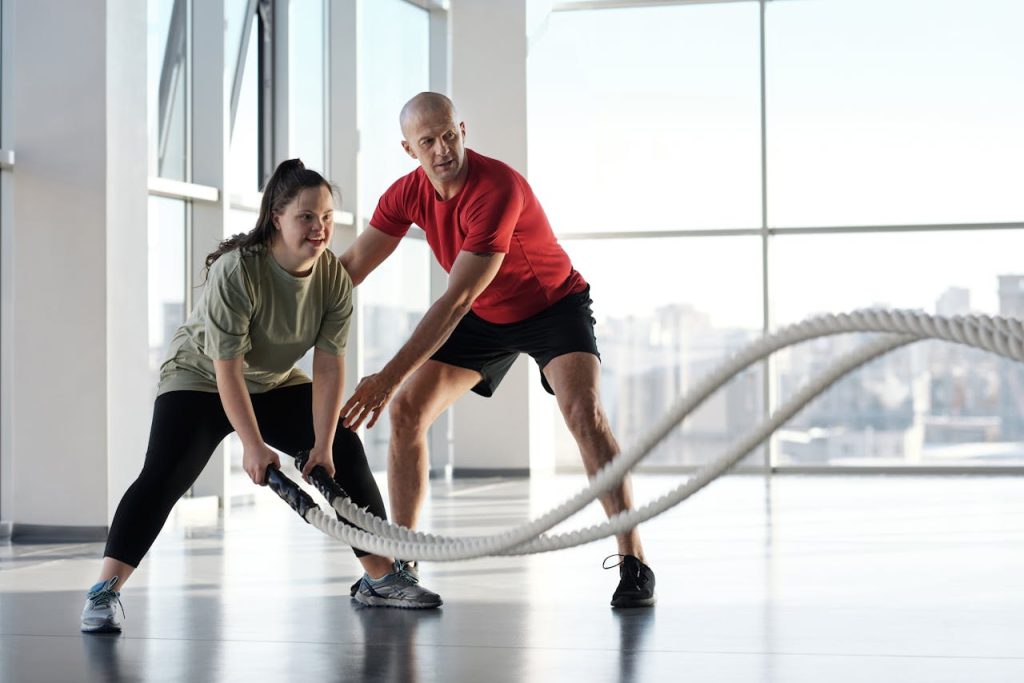
Balance is central to remaining independent and healthy as you get older. Incorporating regular walking into your daily routine is a nice beginning, but it only exercises a small fraction of what you require. Here’s an example of a weekly balanced fitness routine consisting of static and dynamic balance activities along with mindful movement. These activities maintain your body’s acuity, reduce your fall risk, and assist you in handling daily life with more ease. Developing these habits when you’re young will keep you balanced and flexible throughout life.
Static Balance
Static balance involves maintaining a certain position without movement, which you engage in during everyday activities such as standing, getting dressed, or reaching for a muffin on the top shelf. This skill is essential for preventing falls, a significant hazard as we age. Weak muscle strength can increase the risk of falling by 76%, making it crucial to incorporate balance activities into your routine. The easiest static balance exercise is to stand on one foot; aim for 30 seconds on each leg. For a greater challenge, consider using a balance board or closing your eyes while standing still to enhance your core stability and overall health.
Your core muscles play a vital role in maintaining balance, as a strong core helps cushion your back and hips, enabling you to stand and shift gently when needed. Incorporating static balance exercises into your daily routine, such as standing on one leg while brushing your teeth, can significantly improve your physical activity levels. Adults should aim to include both balance and strength training programs at least a couple of times per week to maintain and even enhance their physical fitness, regardless of age.
Dynamic Balance
Dynamic balance is essential for maintaining mobility as you age, helping you stay steady when stepping across rocks or hopping down curbs. Engaging in balance activities not only enhances your daily routine but also reduces your fall risk, contributing to a healthier lifestyle. With nearly one-third of individuals in their 70s and most in their 80s experiencing movement constraints at home, incorporating dynamic balance training can decelerate this decline and improve overall health.
To challenge your kinesthetic sense, consider activities like dancing, agility drills, or sports such as table tennis and badminton. Incorporating physical activity like Nordic walking or using a stability ball can make your training more enjoyable and effective. Experimenting with various locations, such as grassy areas or soft inclines, prepares you for real-life challenges while promoting longevity and enhancing your physical activity levels.
Mindful Movement
Mindful movement means being attuned to your body’s sensations and movements. Yoga and tai chi are excellent examples. These sessions combine slow flows, balance poses, and breath work. They develop strength and balance, assist with concentration, and reduce tension. Mindful movement helps your brain better link with your body, which can make a fall less likely.
Incorporating mindful movement into your week can uplift your mood and relax you. Yoga or tai chi classes are available in most cities, and you can do at-home instruction via online videos. Even brief sessions, two to three times a week, deliver actual advances in equilibrium and health. It’s not just about fitness — these habits teach you how to handle stress, keep calm, and regain your sense of mastery in day-to-day life.
The Holistic Fitness Puzzle
Physical health isn’t founded on a single act; rather, it requires a blend of movement, intelligent nutrition, and real rest to maintain a healthy body composition. Walking, particularly brisk walking, contributes to numerous health benefits, but it’s just one piece of the puzzle. Aging well involves a holistic fitness approach that integrates physical activity types, your diet, and your sleep routine into one cohesive plan.
Exercise Synergy
- Aerobic Activities: Running, cycling, swimming, and fast-paced walking all work your heart and lungs. These not only help build endurance and burn energy but also boost mood.
- Strength Training: Push-ups, squats, lifting free weights, and using resistance bands all count. These increase muscle mass, which you lose as you age, up to 8% per decade. You want strong muscles to carry groceries, climb stairs, or stand up from the floor.
- Balance Exercises: Tai chi, yoga, standing on one foot, or heel-to-toe walking all help prevent falls. They’re crucial for anyone over 60 who wishes to remain active.
- Flexibility Training: Stretching, pilates, and dance keep your joints loose and help you stay limber. This decreases injury risk and simplifies everyday movements.
Incorporating various physical activities like ball games, dance classes, or even brisk walking into your weekly schedule keeps things fresh. By cross-training with different types of workouts, you not only reduce the chance of injury but also enhance your overall health and maintain motivation to stay on track.
Nutritional Support
| Nutrient | Role in Exercise Performance | Food Sources |
| Protein | Repairs muscles, builds strength | Lentils, fish, tofu, eggs |
| Carbohydrates | Fuels activity, helps recovery | Rice, pasta, bananas, oats |
| Healthy Fats | Supports joints, long-term energy | Olive oil, nuts, avocado |
| Vitamins/Minerals | Aids muscle function, bone health, and immunity | Leafy greens, dairy, citrus, seeds |
| Water | Prevents fatigue, regulates body temperature | N/A (drink throughout day) |
A balanced diet provides your body with what it requires to mobilize and heal. Whole foods work best: fresh fruits, grains, lean proteins, and plant oils. Hydration is equally important. Hydrate before, during, and after workouts. This keeps your muscles moving correctly and prevents overheating.
Eat your meals and snacks with purpose. Consume a blend of carbs and protein prior to your workout for fuel. Refuel with protein and some carbs afterward to help your body recover.
Restorative Sleep
Sleep allows the body to repair muscle, restore hormones, and refresh the mind. Lacking sufficient rest hinders your recovery and saps workout gains. Too little sleep correlates with more injuries and slower reflexes.
Getting quality sleep makes you more focused, reactive, and perform better in whatever you do. Target seven to nine hours every night. Turn in and rise at the same hour to establish a robust cadence. Keep your room cool and dark. If you have a hard time, try deep breathing or light stretching before bed. These habits help you fall asleep more quickly and wake up ready to move.
Create Your Balanced Routine
Age well is not only about being physically active; it’s about crafting a routine that incorporates various physical activity types, addressing all areas of wellness. Walking is a great start, but an effective plan needs to combine strength training, balance activities, flexibility, and aerobic exercise. This way, you’ll navigate your day-to-day with less pain, reduce your injury risk, and maintain mental acuity. It counts to know where you’re at, have goals that align with your life, and design a week that fits you.
Assess Yourself
Begin by examining your baseline physical activity levels. Consider how far you can walk, how many times you can get up from a chair without assistance, and whether you can stand on one leg for ten seconds or longer. These tests provide hints about your strengths and gaps. Perhaps a fitness app or a notebook—whatever you’ll actually use—to log your daily walk, strength training sessions, and balance activities. Journaling your progress allows you to notice small victories and identify trends.
Know your body limits. If you have any joint pain or old injuries, keep these in mind prior to introducing new moves. It’s actually smart to check in every few months to see what’s changed. Maybe you can plank, lunge, or do squats with more precision. These regular self-checks make it easier to shift your focus and keep your routine on track. In this manner, your plan matures with you.
Set Goals
For genuine transformation, make your goals specific and achievable. A SMART goal might be, “I’m going to do two strength-training and three balance sessions each week for two months.” Big goals can feel brutal, so hack them into steps. For example, if your goal is 150 minutes of moderate exercise per week, begin with a baseline of 20 minutes a day and incrementally increase.
Keep yourself motivated by celebrating milestones, even the smallest ones. Maybe you lifted a heavier weight or learned a yoga pose. Recruit a friend or a fitness community online. Posting your advancements will make you proud and keep you committed.
Sample Week
A good weekly plan includes various forms of workouts. Here is one example:
- Monday: 30 minutes of brisk walking and 15 minutes of balance work, like tai chi or standing on one leg.
- Tuesday: 20 minutes of resistance training using bands or weights, focusing on major muscle groups.
- Wednesday: Rest or gentle stretching
- Thursday: 30 minutes cycling or swimming
- Friday: 15 minutes of yoga or flexibility work and 15 minutes of balance practice
- Saturday: 20 minutes strength training, mix in new moves
- Sunday: Rest or try a new hobby like dancing or group fitness.
Tweak this plan to suit you. You might crave additional downtime or seek out new courses to stay fresh. Be sure to include days off to allow your muscles to heal and reduce injury. Build Your Balanced Schedule. Listen to your body and switch your scheme if you’re too tired or too busy. A flexible routine is the key to being consistent.
Conclusion
Walking gets you off to a great start for your health. True aging power requires more. Muscles require push and pull, not just steps. Joints and bones require more than soft ground. Strength work, balance drills, and stretch moves fill the gaps. Imagine a week that includes lifting, reaching, squatting, and standing on one leg. You are steady on the stairs. You lift bags with less effort. You avoid slips. Your energy remains high. Each step lies on a level. You get ahead of the gradual march of age. Go one further. Test a new workout this week. You may discover that you feel stronger and more stable than you thought. Your future self will thank you.
Frequently Asked Questions
1. Is Walking Enough For Healthy Aging?
Walking is heart- and joint-friendly, providing numerous health benefits. However, it doesn’t build nearly enough muscle or balance, key components of physical activity guidelines for aging well.
2. Why Should I Add Resistance Training As I Age?
Resistance training not only helps you maintain muscle strength and bone density but also contributes to overall health by reducing cardiovascular risk factors. This keeps your brain and body strong, lessening your risk of falls and age-related decline.
3. How Does Balance Training Help Older Adults?
Balance training not only prevents falls and promotes healthy aging but also enhances your confidence, allowing you to safely engage in daily routines. Simple movements, like standing on one leg, can significantly impact your overall health.
4. What Should A Balanced Fitness Routine Include?
A well-rounded routine that includes walking, balance activities, and resistance training not only promotes cardiovascular health but also supports healthy aging and overall health into your later years.
5. How Often Should I Change My Exercise Routine?
Change your daily routine every few months to include various physical activities. This keeps your body challenged, encourages consistent gains, and minimizes the possibility of injury.
6. Can I Start Resistance Or Balance Training At Any Age?
Yes, at any age, you can begin incorporating physical activity into your daily routine. Start with easy motions and gentle resistance to adapt it to your own style.
7. What Are The Risks Of Only Walking For Exercise?
Depending exclusively on walking may neglect important physical activities like strength training and balance activities, which are crucial for reducing the risk of falls, frailty, and injury later in life.

Enhance Your Retirement Wellness With Personalized Coaching At Fitness Ellipsis!
Are you ready to embrace a more fulfilling and balanced lifestyle in retirement? At Fitness Ellipsis, we understand that true well-being in your golden years goes beyond just physical fitness—it’s about nurturing your mental, emotional, and physical health through holistic wellness practices. Our team of experienced coaches is dedicated to providing personalized wellness assessments designed to support your unique retirement goals.
Whether you’re new to the concept of wellness coaching or looking to elevate your current routine, we offer comprehensive, age-appropriate wellness programs to help you flourish in every aspect of your life. From individualized coaching plans to expert advice on mindfulness, nutrition, and physical well-being, we ensure that you stay energized, healthy, and purposeful throughout your retirement years. Don’t just wish for a more balanced retirement—make it happen! Join the Fitness Ellipsis community and embark on your journey toward a healthier, more vibrant, and fulfilling future. Connect with us today to discover how our personalized coaching services can transform your retirement. Your path to optimal well-being starts here!