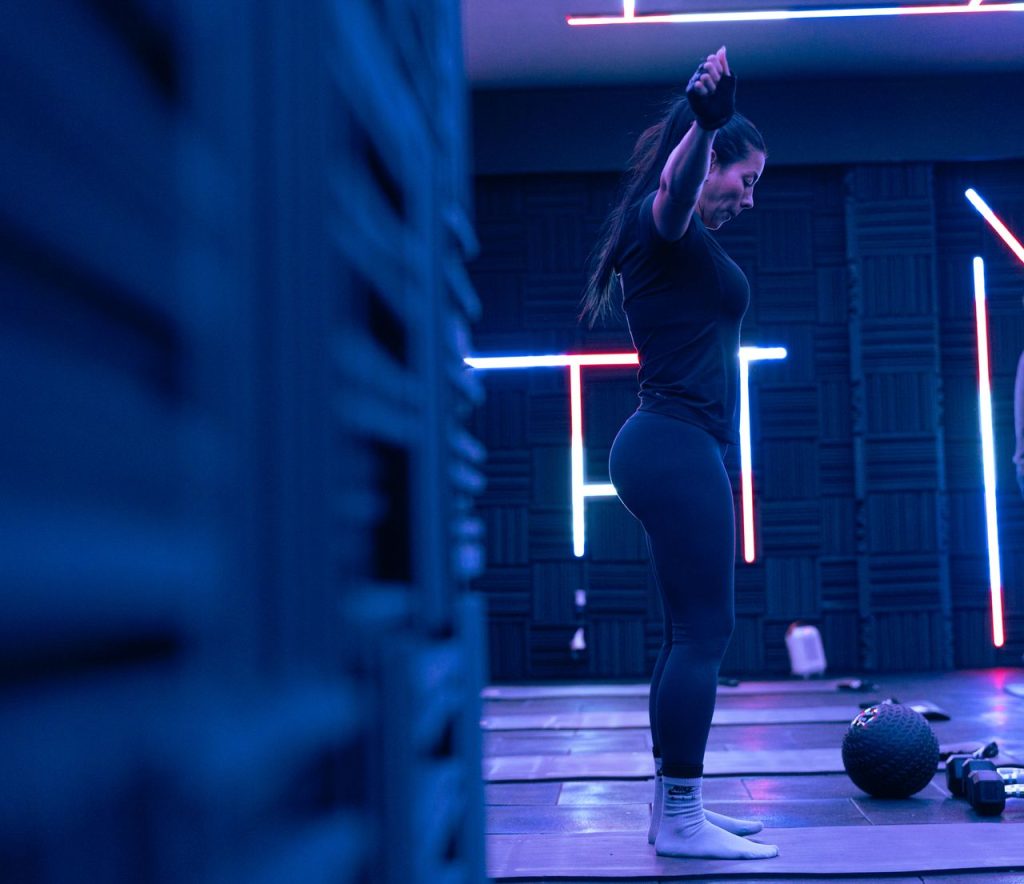

Personal training is a one-on-one coaching experience designed to help you achieve your fitness goals with expert guidance, accountability, and a plan tailored specifically to your needs. Whether you’re looking to build strength, lose weight, recover from an injury, improve athletic performance, or simply adopt a healthier lifestyle, a certified personal trainer creates a structured program based on your current fitness level, abilities, and objectives.
Rather than following a generic workout routine, you’ll receive personalized exercise programming, progressive training adjustments, and ongoing performance tracking to help you achieve measurable results safely and efficiently. Trainers monitor key metrics such as strength gains, body composition, mobility, and workout intensity while refining your program to keep you progressing and reduce the risk of injury.
Personal training is available in person, online, or through a hybrid approach, with pricing varying by location, trainer experience, and program format. This guide explains what to expect from personal training, how to choose the right trainer, the different coaching styles available, and the realistic timelines for achieving common fitness goals.
Key Takeaways
- Personalized training crafts a plan tailored to your goals, physical profile, and limitations so you consistently push forward measurable progress and steer clear of cookie-cutter errors.
- One-on-one coaching supercharges results by directing sessions to the highest-impact exercises and progressive overload based on your readiness and recovery.
- A trained coach minimizes injury risk with movement screening, corrective cues, and phased programming to safeguard joints and optimize biomechanics.
- Consistent accountability from an invested trainer enhances adherence by establishing milestones, offering feedback, and modifying plans when life or performance shifts.
- By combining mindset coaching, lifestyle, and nutrition, you make fitness sustainable by syncing your habits, sleep, stress, and fueling with your training.
- We help you select a trainer according to credentials, communication style, and quantifiable methods of tracking progress so your collaboration suits your rhythm and sustained goals.
The Power Of Personalized Training
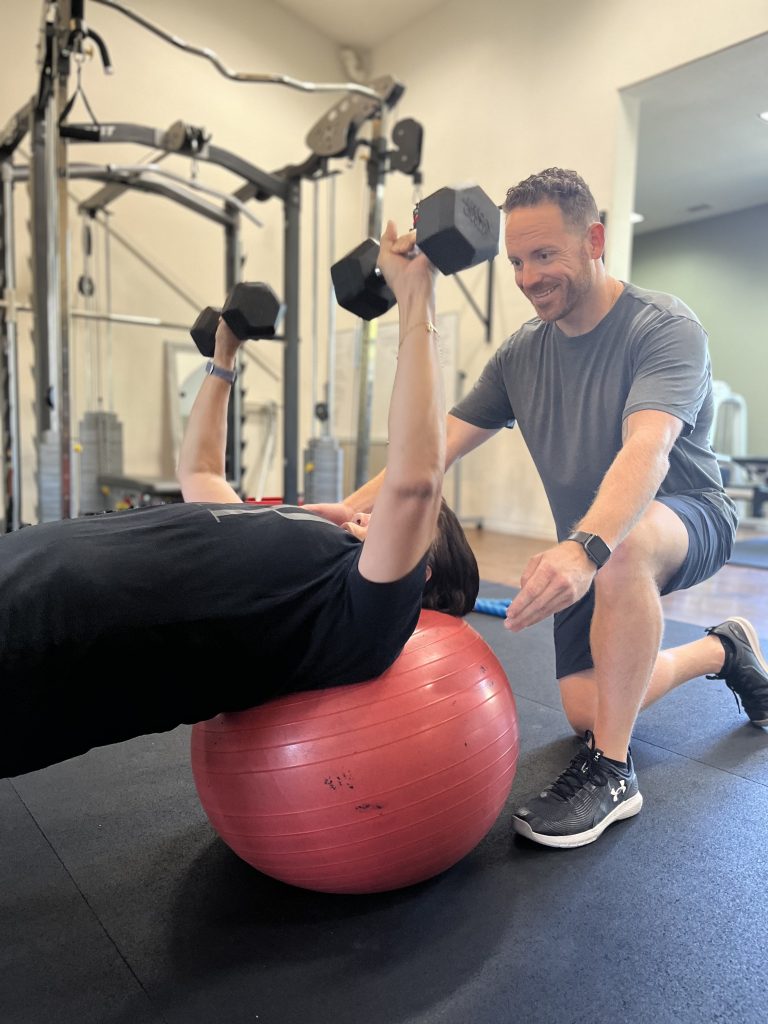
Here’s the power of personalized training: it custom-fits a plan to a person’s body, life, and fitness goals. By mapping current ability, health markers, and preferences into a concise blueprint before a single rep is lifted, personal trainers can ensure that every workout is productive, maximizing endurance and weight loss.
1. Your Unique Blueprint
The personal trainer collects history, movement screens, and goal details to customize the program effectively. For your typical tight-hipped desk jockey, the plan mixes mobility drills, posterior-chain work, and scheduled breaks. For a new parent restricted to 30 minutes, it uses compound movements and superset blocks to optimize strength and calorie burn. Tailored plans correct muscle imbalances, tackle weight loss, and consider medical restrictions, ensuring consistent and secure advances in your fitness goals.
2. Accelerated Progress
Progression in a personal training studio uses measurable milestones and small, frequent load increases to speed gains. Instead of cookie-cutter rep schemes, the personal trainer cycles strength, hypertrophy, and power work by need and response. A mid-30s professional with limited time and diligent effort can exhibit significant strength and endurance improvements in 8 to 12 weeks when volume, intensity, and recovery are optimized. Motivation soars as sessions correspond to skill level, generating immediate victories that fuel habit-forming momentum.
3. Injury Prevention
Targeted coaching in a personal training studio highlights movement errors before they turn into pain. With a focus on technique cues and corrective exercises, a personalized workout plan can reduce cumulative stress on joints and soft tissue. For clients with old knee or shoulder injuries, the personal trainer selects different patterns and gradual loading, enhancing fitness while minimizing re-injury potential.
4. Unwavering Accountability
One-on-one interaction with a personal trainer creates a support loop: scheduling, feedback, and behavior nudges that keep people on track. Routine check-ins, objective tracking, and adjusted plans help maintain focus on fitness goals. The social aspect, trainer support, and a small community through common progress boost motivation and mood, increasing the likelihood of habit change.
5. Efficient Workouts
Efficacy is in choosing high-return exercises and time-smart formats like circuits, EMOMs, or strategic supersets. A personalized workout plan, tailored for a personal training studio, can provide strength, mobility, and metabolic impact by focusing on compound lifts and movement patterns specific to someone’s lifestyle. The result is better fitness, less wasted time, and routines that fit diverse ages and abilities.
More Than Just Exercise
One-on-one personal training at a personal training studio is a structured, individualized system that goes well beyond movement prescription to encompass behavior change, habit design, and measurable progress. The trainer-client bond, particularly in a supportive gym environment, is central: trust, clear communication, and mutual respect shape adherence and long-term outcomes, helping clients achieve their fitness goals.
Mindset Coaching
Mindset coaching in personal training addresses the beliefs and habits that impact your performance and perseverance. A trainer identifies limiting beliefs, establishes concrete short- and long-term goals, and employs methods like goal framing, implementation intentions, and graded exposure to potential obstacles. For instance, turning ‘I don’t have time’ into a 20-minute micro-session a day generates early wins and fuels self-efficacy.
Coaches run simple cognitive checks during sessions: asking clients to rate confidence or effort on a 1 to 10 scale, then adjusting task difficulty. This immediate feedback loop accelerates learning and minimizes attrition. Over weeks, clients learn to monitor, correct, and maintain new behaviors without outside reminders.
Lifestyle Integration
Training plans have to live in real life. A personal trainer correlates workout, sleep, stress, and work habits to create plans that are feasible and sustainable. If a client travels for work, the trainer designs modular workouts that require minimal equipment and recommends recovery techniques that fit into tiny hotel rooms.
Integration covers time budgeting and environmental design. Suggestions include setting specific workout cues, prepping simple meals in 30 minutes, and creating a 15-minute pre-sleep routine to improve recovery. Your trainer monitors compliance, adjusts when timelines shift, and tailors the schedule to life phases, such as student, young professional, or parent, so momentum carries through transitions.
Nutritional Synergy
Nutrition is coordinated to support training goals with clear, measurable targets. These targets include daily protein in grams per kilogram of bodyweight, calorie ranges, or nutrient timing for performance. Your trainer gives you useful meal templates, swaps, and portion guides with easy metric measurements and sends you to a registered dietitian when clinical needs present themselves.
Progress tracking ties nutrition to performance metrics: energy during sessions, rate of strength increase, and body composition trends. The trainer calibrates intake according to objective measurements and subjective feedback. I’m not just an exercise buddy; I’m a nutritionist too. Accountability through check-ins and food log reviews, along with small, staged changes, not sweeping diets, helps my clients make eating habits stick.
The Human Connection
Personal training isn’t just sets and reps or calories, but it’s a highly social process that sculpts behavior, motivation, and well-being. In one-on-one contexts, the trainer-client relationship creates a scaffold for learning and transformation. This dynamic offers connection, response, and consistent encouragement that affect both psychological and physiological results. By focusing on effective workouts tailored to individual needs, clients can achieve their fitness goals more efficiently.
The trainer provides a personalized workout plan and establishes a trusted environment where the client feels listened to and validated. This personalized approach is crucial because those with strong social connections not only experience reduced stress and anxiety but also maintain commitments for a longer duration. For instance, an injured client will heal more quickly when the coach adjusts exercises to align with pain levels, which helps build trust and alleviates the fear of movement, ultimately enhancing their workout experience.
Emotional well-being is boosted when trainers identify emotions, affirm effort, and normalize setbacks. That human connection diminishes shame around slow progress and gives clients solace in hard stretches like illness or life transitions. One tangible way trainers cultivate that connection is through weekly check-ins about mood and sleep, as well as shared short-term goals that can be measured in metric units, such as increasing weight in their strength training sessions.
Social support has measurable health dividends. Research shows people with strong connections live longer and have better physical health. In training, group fitness classes, partner drills, or community events provide additional social layers, but the one-on-one connection is special for customization. Clients who engage in partner training or join community fitness events frequently acquire wider social circles, which strengthen habits formed in training and preserve gains.
Human connection yields practical outcomes: higher adherence rates, faster skill acquisition, and better stress management. Trainers act as savvy sherpas, not aloof professors, and they speak straightforward language, measure progress with artifacts, and establish tiny rites, arrival rituals, and exit debriefs that signal consistency. These habits allow customers to experience validation, develop expertise, and discover comfort in defeat, ultimately enhancing their journey in a personal training studio.
Your Fitness, Your Pace
By tailoring exercises, volume, and intensity to your baseline and goals, personalized workout plans define a roadmap for progress. A plan that records present strength, mobility restrictions, time availability, and preference results in quicker, more dramatic progress than a piecemeal workout. For instance, a busy professional with 30 minutes three times weekly will use compound movements and higher-intensity intervals. An older adult preparing for golf will focus on rotational stability, hip mobility, and targeted strength work. Customized plans may incorporate daily training, nutrition, and recovery assignments presented as concrete, actionable steps to ensure effective workouts.
One-on-one training lets coaches tailor the pace of work to minimize injury risk and maximize skill gain. For a beginner to resistance training, the coach may start with bodyweight patterns, two sets of eight to twelve repetitions, and add load only once form is consistent. For a mid-level runner, the coach may include tempo runs, paced or heart rate-based, and increase weekly load by five to ten percent to prevent overreach. Working at your own pace is particularly useful if you have differing fitness levels in the same family or office. It maintains momentum without letting anyone get frustrated.
Accountability and motivation soar in private sessions. A personal trainer schedules, tracks metrics, and offers immediate feedback on form, which significantly increases compliance. Research indicates that personal training can enhance your odds of achieving your fitness goals by over 30%. Trackable examples include weekly body-composition measures, performance benchmarks like a timed 5 km, or adherence logs for nutrition and sleep. This approach helps you identify bottlenecks and adapt your training plan accordingly.
Not everyone trains alone, and some thrive with partners or groups for social support. You can combine options: one-on-one technical coaching and a twice-weekly partner training session for variety and social drive. Informed plans should fuel selected activities outside the gym. For a tennis player, this translates to plyometrics, lateral strength, and mobility. For a runner, this includes graded long runs, interval work, and specific recovery. Recovery protocols, such as sleep goals, progressive stretching, and easy active days, are integrated into the plan to maintain long-term gains and ensure strength for various sports.
Tracking Your Success
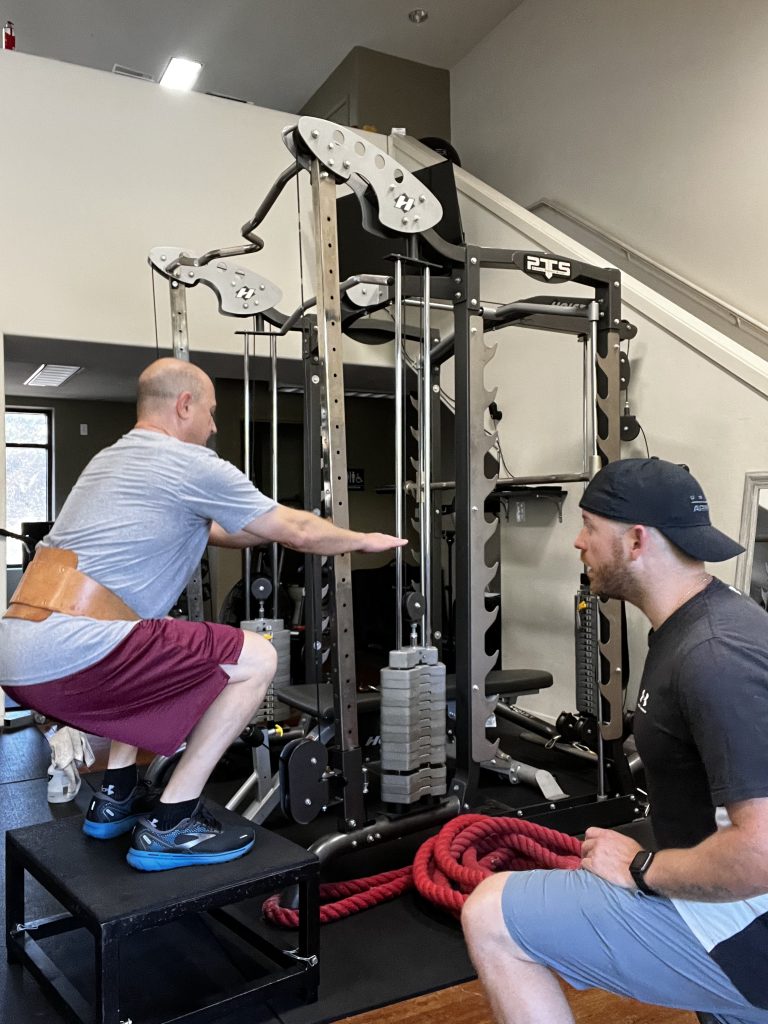
Tracking your success provides one-on-one training with a framework and turns results into something concrete and replicable. A brief baseline lets the trainer and client set clear targets: body composition, strength, mobility, pain levels, or sport-specific skills. From that baseline, employ a shared schedule to lock in sessions and checkpoints. A fixed schedule helps accountability and consistency, so training days are a weekly ritual and not an occasional chore. For instance, booking three 60-minute sessions per week at fixed times minimizes missed sessions and accelerates progress compared to haphazard attendance.
Choose appropriate, quantifiable metrics to track your progress that fit your fitness goals. Strength goals rely on load and rep targets and occasional one-rep max or submax testing. Endurance targets use time, distance, or power production in metric units. Mobility and pain use range-of-motion angles or validated scales. Track technique with video clips and annotated notes so trainers can spot and fix bad exercise mechanics, which is critical in injury rehabilitation and prevention. A session might include a 30-second video of a squat and a short checklist: knee path, hip hinge, lumbar position. Over weeks, those clips demonstrate technical improvements even if body weight shifts gradually.
Number of sessions counts. More frequent sessions tend to yield faster, more efficient results because the trainer has more opportunities to adjust load and form, close gaps, and reinforce habits. Someone with three sessions per week will typically advance more rapidly than someone with one session every week, all else being equal. That said, customize frequency to wellness, availability, and recuperation requirements. A coach could suggest biweekly coached work supplemented with two uncoached maintenance sessions for equilibrium.
Tracking helps habit formation. Regular sessions let trainers build routines: warm-ups, breathing cues, cool-down stretches, and recovery plans. These iterative units turn into habits that serve clients for multiple years. Trainers can provide different scheduling and pricing options to make frequent sessions feasible and affordable, such as sliding packages, 30-minute options, or tiny blocks of focused training.
Nothing motivates or supports you like a timeline with clear milestones and celebrations. Use short-term goals, visual progress charts, and monthly reviews to emphasize progress. Oversight and regular feedback keep clients engaged and on point for next steps.
Choosing Your Trainer
Selecting a personal trainer begins with good criteria that connect to your fitness goals, your everyday life, and your sustainable transformation. Seek out certification from a reputable organization rather than just a ripped torso. Certification means your trainer studied anatomy, exercise safety, and program design, which reduces injury risk and accelerates progress. Inquire about their certifications, their methods for staying updated with education, and request examples of clients with comparable objectives.
Compare training style to your taste for either close, one-on-one attention or more independent work. Certain clients require in-person correction and real-time feedback, while others demand a schedule they adhere to in between sporadic check-ins. Be clear about this in early discussions. For example, if you like brief sweat sessions, make sure the trainer can provide effective workouts that push your strength or conditioning forward. If you have time for longer sessions, talk about how those would be organized to avoid wasting minutes.
Look for a 360 coach who combines supervised workouts with nutritional counseling, sleep and stress management approaches, and behavior change techniques. A good trainer isn’t going to give you a generic meal PDF. They will build a personalized workout plan that includes small, measurable steps, habit cues, and relapse plans. For example, pair a five-minute morning mobility ritual with a simple protein habit after workouts to solidify gains over months.
Credibility comes through in lived outcomes. Request client case studies and have trainers explain how they train themselves. If a trainer recommends intermittent fasting but they’ve never tried it or used it with a client, dig deeper. Real-world examples show whether they work with other schedules, cultures, and bodies.
Design matters: the training plan must fit your life. Talk about the number of times, the length of sessions, travel, and access to equipment. A plan that requires gym machines will fail for a traveler. A home-based plan with bands and bodyweight may work. Inquire about how they adapt when travel, sickness, or work alters their schedule.
Accountability keeps change honest. Clarify what the trainer uses: in-app reminders, weekly check-ins, progress photos, or simple SMS nudges. Confirm the reporting cadence and how they measure progress. Metrics like load, reps, sleep hours, or dietary patterns make progress visible.
Conclusion
One-on-one personal training makes fitness transparent and tangible. A coach establishes a plan that suits your body, goals, and life. We work on form, load, and small wins that accumulate. Trainers identify weak links, reduce risk, and nudge in the right direction. The human connection makes the habit stick. Progress manifests in body metrics, mood, and daily ease. Use simple tools: a log, a photo, and a short test every month. Choose a trainer with credentials, a training style you enjoy, and a schedule that works for your week. Take a session, keep tabs on three easy metrics, and decide whether it’s right. How about one-on-one personal training? Ready to test drive one this month? Book a trial and experience the shift.
Frequently Asked Questions
1. What Is One-On-One Personal Training?
One-on-one personal training in a personal training studio teams you up with a certified trainer for dedicated sessions, customizing workouts, and guiding you to help you achieve your fitness goals.
2. Who Benefits Most From One-On-One Training?
If you’ve got a specific goal, such as weight loss or building muscle, an injury history, limited time, or missing motivation, personal training programs will help you benefit the most.
3. How Often Should I Train With A Personal Trainer?
Frequency of personal training sessions depends on fitness goals and budget, with typical plans offering 1 to 3 sessions per week to help achieve weight loss and endurance.
4. How Does A Trainer Track My Progress?
Our personal trainers rely on evaluations and quantifiable benchmarks such as strength, composition, and mobility to inform personalized workout plans and program adjustments.
5. How Do I Choose The Right Trainer?
Search for a personal trainer with qualifications and experience that align with your fitness goals, ensuring transparent communication and positive client reviews for effective workouts.
6. Is One-On-One Training Worth The Cost?
Yes, if you appreciate quicker outcomes and personalized workout plans, individualized training can help you develop more efficient and long-lasting fitness habits.
7. Can Personal Trainers Work With Medical Conditions?
Several of our personal trainers work with healthcare professionals and modify personal training programs for medical diagnoses, ensuring effective, tailored workouts.
Transform Your Fitness Journey With One-On-One Personal Training At Fitness Ellipsis
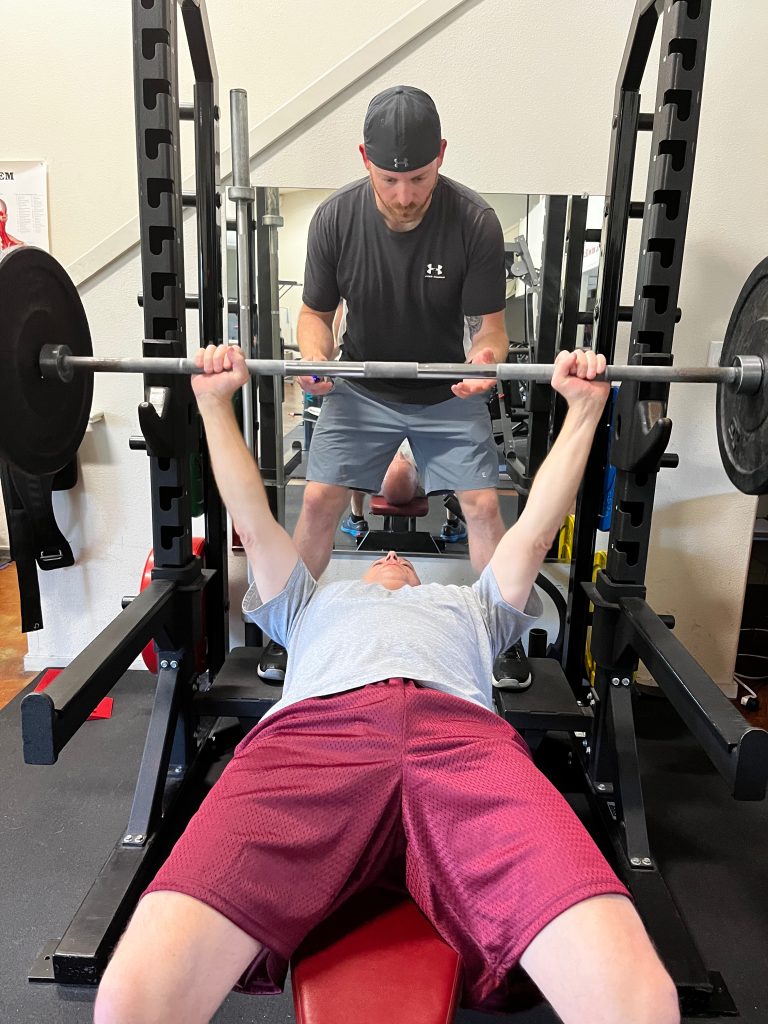
Every fitness journey is unique, and having the right support can make all the difference. At Fitness Ellipsis, our One-on-One Personal Training program provides individualized coaching to help you reach your goals with confidence. Whether you’re new to exercise, returning after a break, or looking to improve your strength, mobility, endurance, or overall health, our experienced trainers create customized workout plans tailored specifically to your needs, abilities, and lifestyle.
With one-on-one coaching, every session is focused entirely on you. You’ll receive expert instruction, personalized feedback, and ongoing motivation to ensure you’re exercising safely and effectively while making steady progress. Your trainer will adapt your program as you improve, helping you overcome challenges, stay accountable, and build healthy habits that support long-term success both inside and outside the gym.
Take the first step toward a stronger, healthier, and more confident you with Fitness Ellipsis. Our dedicated trainers are committed to helping you achieve lasting results through personalized guidance and unwavering support. Start your One-on-One Personal Training journey today and discover how individualized coaching can help you reach your full potential.