Walking into your first one-on-one personal training session can feel exciting, motivating, and maybe even a little intimidating. You may be wondering whether you’ll be expected to lift heavy weights, complete an intense workout, or prove your fitness level from day one. The good news is that a professional personal training session isn’t about testing your limits, but it’s about getting to know you, understanding your goals, and creating a plan designed specifically for your body, lifestyle, and long-term success.
Unlike generic workout programs or crowded group fitness classes, one-on-one personal training provides individualized attention that helps eliminate the guesswork from exercise. Instead of following the same routine as everyone else, you’ll receive expert coaching, proper exercise instruction, and a customized fitness strategy based on your experience, strengths, limitations, and objectives.
Whether your goal is weight loss, muscle building, improved athletic performance, injury prevention, better mobility, or simply feeling healthier and stronger, your first session lays the foundation for everything that follows. It’s an opportunity to build a partnership with a knowledgeable coach who is invested in your progress and committed to helping you succeed safely and efficiently.
At Fitness Ellipsis, every personal training journey begins with understanding the individual, but not just the fitness goal. Your trainer takes time to learn about your lifestyle, health history, movement patterns, and motivation before designing a personalized program that evolves as you do. This customized approach allows you to make steady, measurable progress while developing confidence inside and outside the gym.
In this guide, we’ll walk through exactly what you should expect during your first one-on-one personal training session, how to prepare, and why personalized coaching often delivers better results than trying to navigate fitness alone.
Key Takeaways
- Your first personal training session focuses on assessment, goal setting, and creating a customized fitness plan, not exhausting workouts.
- A personal trainer evaluates your movement, mobility, strength, fitness level, and health history before designing your program.
- One-on-one coaching provides individualized instruction, accountability, motivation, and exercise modifications based on your needs.
- Personalized training helps reduce injury risk by teaching proper form and correcting movement patterns.
- Progress is measured regularly, so your training program evolves as your strength, endurance, and confidence improve.
- Unlike group classes, one-on-one sessions are completely tailored to your schedule, goals, abilities, and pace.
- Fitness Ellipsis emphasizes customized coaching, measurable progress, education, and long-term lifestyle changes rather than quick fixes.

Why Your First Session Is About Learning – Not Judging
One of the biggest misconceptions about personal training is that your first appointment will be an intense workout designed to “see what you’re made of.” Professional trainers don’t approach fitness this way. Your first session is primarily about gathering information that allows your trainer to create the safest and most effective program possible.
Think of it like visiting a doctor before beginning treatment. The better your trainer understands your body and your goals, the better they can help you achieve lasting results. During this session, you’ll likely spend more time talking, moving through assessments, and learning proper techniques than completing high-intensity exercises. This careful approach helps prevent injuries while ensuring every future workout serves a purpose.
Getting To Know You: The Initial Consultation
Before you ever touch a dumbbell or step onto a treadmill, your trainer will spend time getting to know you during an in-depth initial consultation. This conversation is one of the most important parts of the process because effective fitness coaching is never one-size-fits-all. Your trainer will ask about your current fitness level, previous exercise experience, past injuries, medical conditions, surgeries, chronic pain, daily activity levels, occupation, sleep habits, nutrition, stress levels, lifestyle challenges, available workout schedule, and both your short-term and long-term fitness goals. The more honest and detailed you are during this discussion, the better your trainer can design a personalized program that matches your abilities, limitations, and objectives. For example, someone preparing for a marathon requires a very different training plan than someone recovering from back pain or getting ready for their first hiking vacation.
Defining Clear And Realistic Fitness Goals
Many people begin personal training with broad goals such as losing weight, getting stronger, toning up, or simply feeling healthier. While these are all excellent starting points, your trainer will help transform those general ambitions into clear, realistic, and measurable objectives that can be tracked over time. Instead of saying, “I want to lose weight,” your trainer may help you establish a more specific goal, such as losing 20 pounds over the next six months while increasing muscle mass and improving cardiovascular endurance. Your trainer may also identify measurable benchmarks related to body composition, strength, cardiovascular fitness, mobility, athletic performance, energy levels, functional movement, and healthy lifestyle habits. These clearly defined milestones provide meaningful ways to monitor progress, stay motivated, and celebrate achievements throughout your fitness journey.
Health History And Lifestyle Assessment
A comprehensive health history and lifestyle assessment help your trainer understand how your daily habits, overall health, and routine influence your ability to recover, build muscle, lose fat, and improve physical performance, allowing them to create a program that supports your individual needs.
Nutrition
Your trainer may ask about your eating habits, including how often you eat, whether you regularly skip meals, if you’re consuming enough protein to support your fitness goals, and whether you have any dietary restrictions that could affect your nutrition plan.
Sleep
Your trainer will likely discuss your sleep habits because inadequate or poor-quality sleep can significantly reduce recovery, disrupt hormone regulation, and negatively impact exercise performance and overall progress.
Stress
Your trainer may evaluate your stress levels since chronic stress can increase fatigue, slow recovery, reduce training performance, and make it more difficult to achieve your fitness goals.
Work Environment
Your trainer may ask about your occupation and daily work routine because someone who spends eight hours sitting at a desk has different mobility, posture, and movement requirements than someone who performs physically demanding work throughout the day.
Movement Screening And Mobility Assessment
One of the most valuable parts of your first personal training session is the movement screening and mobility assessment, where your trainer evaluates how your body moves instead of guessing which exercises are most appropriate. Through simple movements such as squatting, lunging, reaching overhead, assessing hip and shoulder mobility, checking balance, walking mechanics, core stability, and posture, your trainer can identify limitations that may increase injury risk or reduce exercise efficiency. For example, tight hips can contribute to lower back discomfort, limited shoulder mobility may restrict overhead movements, and weak core muscles can negatively affect posture and lifting mechanics. Identifying these issues early allows your trainer to address them proactively, creating a safer, more effective, and personalized training program.
Baseline Fitness Testing
Your trainer may also conduct a series of baseline fitness assessments to establish your current fitness level and create an accurate starting point for your personalized training program. These evaluations are not meant to compare your performance with others but to provide measurable benchmarks that track your progress over time. Common assessments may include body weight, body fat percentage, waist circumference, flexibility, balance, cardiovascular endurance, muscular endurance, grip strength, and resting heart rate. Depending on your specific fitness goals, your trainer may also perform additional evaluations such as push-up assessments, plank holds, squat movement analyses, rowing endurance tests, or other functional strength assessments.
Learning Proper Exercise Technique
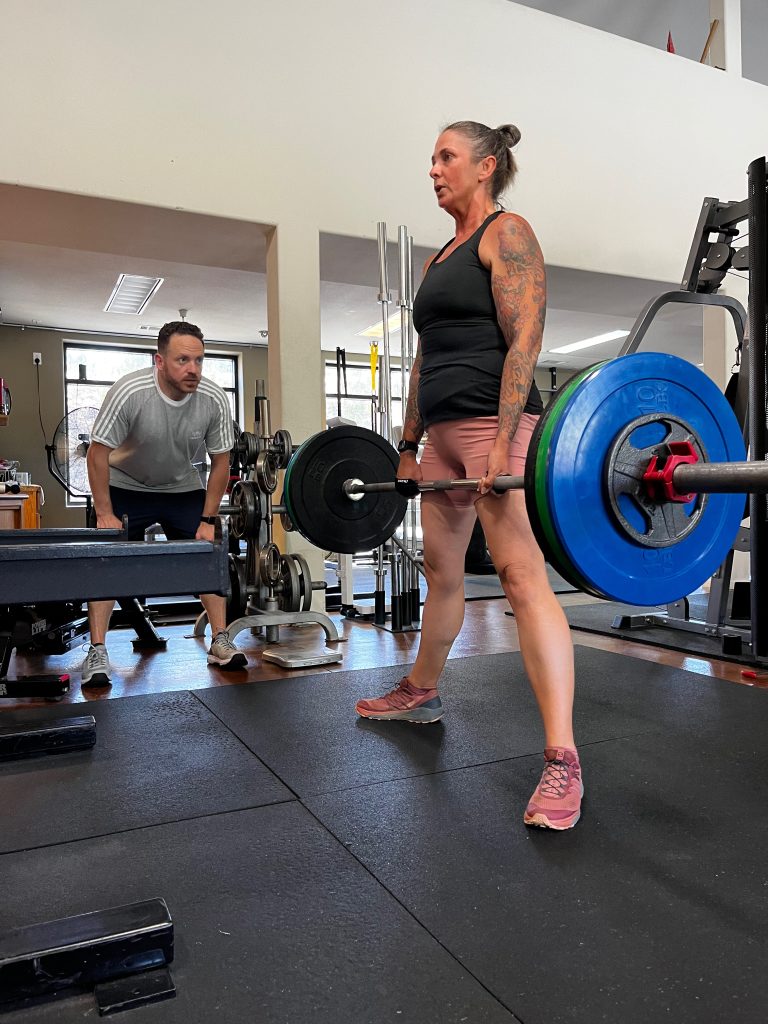
Learning proper exercise technique is one of the greatest benefits of one-on-one personal training because your trainer provides expert instruction that helps you perform every movement safely and effectively. Since many gym injuries result from poor form, your first session emphasizes mastering proper posture, breathing techniques, joint positioning, core engagement, safe lifting mechanics, range of motion, and correct equipment use. Rather than rushing through exercises, your trainer prioritizes quality movement, helping you build a strong foundation that maximizes results while minimizing the risk of injury.
Your First Workout Won’t Be Extreme
Your first workout is designed to introduce foundational exercises such as bodyweight squats, hip hinges, assisted lunges, push and pull movements, core exercises, light resistance training, and controlled cardio at a moderate intensity, allowing your trainer to evaluate your movement quality and establish a safe starting point rather than pushing you to physical exhaustion.
Understanding Your Customized Fitness Plan
After gathering information and completing your assessments, your trainer creates a personalized fitness plan tailored to your goals, current fitness level, and individual needs. Your program may include strength training to build lean muscle, improve metabolism, enhance bone density, support better posture, and increase everyday functional movement, cardiovascular conditioning designed to improve endurance, promote heart health, or support fat-loss goals, mobility training with stretching and targeted exercises to maintain healthy joints and improve overall movement quality, core stability exercises that strengthen the muscles supporting nearly every movement inside and outside the gym, and recovery strategies, including scheduled rest days, mobility work, proper hydration, better sleep habits, and recovery exercises to promote consistent progress, reduce injury risk, and support long-term fitness success.
Accountability Makes The Difference
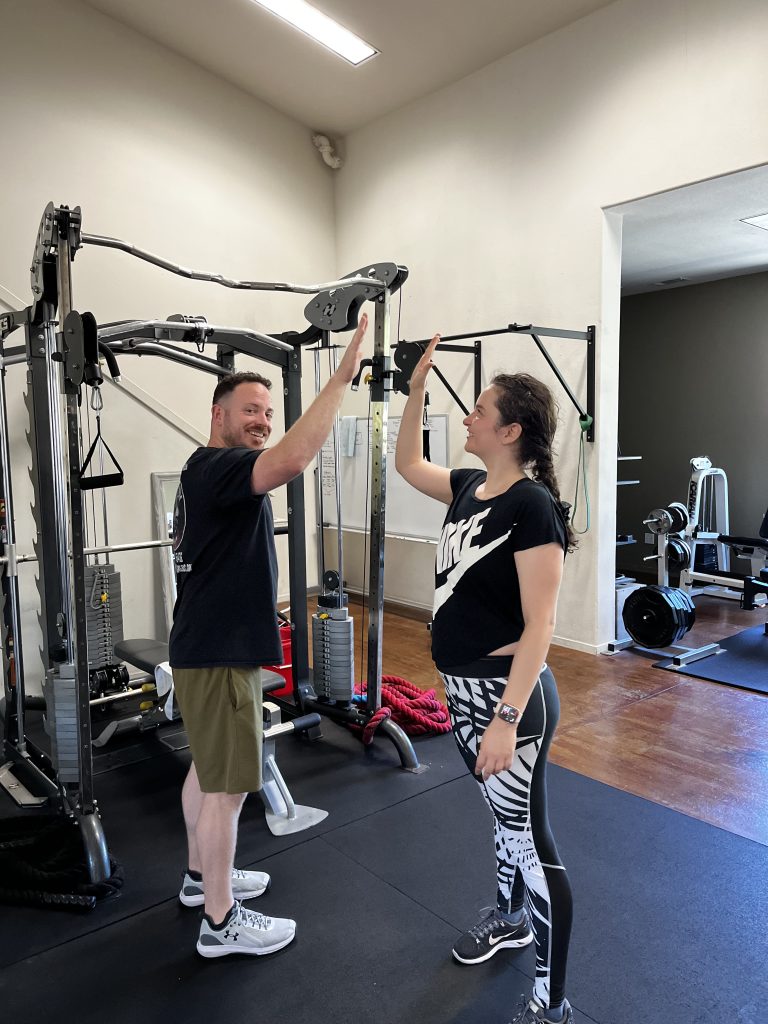
Many people struggle to achieve their fitness goals because motivation naturally rises and falls over time, making consistency difficult to maintain. A one-on-one personal trainer provides accountability that extends far beyond scheduled sessions by regularly monitoring your progress, checking in on your commitment, and encouraging you to stay focused even when challenges arise. Whether you’re dealing with a busy schedule, frequent travel, a fitness plateau, low motivation, recovery from an illness, or significant lifestyle changes, your trainer adjusts your program to fit your circumstances rather than allowing setbacks to derail your progress. This ongoing support helps you remain committed to your goals and continue making steady improvements over the long term.
Education Is Part Of Every Session
A great personal trainer does more than guide you through workouts; they help you understand the purpose behind every exercise and training decision. During each session, you’ll learn why specific movements are included in your program, how different muscle groups function, the importance of proper recovery, the principles of progressive overload, effective injury prevention strategies, fundamental nutrition concepts, and the sustainable habits that support lasting fitness success. This educational approach gives you the knowledge and confidence to make informed decisions both inside and outside the gym, helping you build healthier habits that continue long after your training sessions.
Tracking Progress Through Measurable Results
An effective personal training program evolves as your body becomes stronger, healthier, and more capable over time. Rather than following the same routine indefinitely, your trainer continually adjusts your workouts based on measurable progress to ensure you continue improving safely and efficiently. Progress may be evaluated through increased strength, improved endurance, enhanced mobility, faster recovery, changes in body weight or body composition, better exercise performance, more efficient functional movement, and greater personal confidence. Recognizing and celebrating these milestones keeps motivation high, reinforces consistency, and demonstrates that your dedication is producing meaningful, long-term results.
The Difference Between One-On-One Personal Training And Group Fitness Classes
Group fitness classes can provide energy and community, but they are designed to accommodate many participants at once. Because everyone follows the same instructor and workout structure, individual needs often take a back seat to keeping the class moving. One-on-one personal training is fundamentally different because every aspect of the experience revolves around you.
Individualized Programming
Rather than following a preset routine, your workouts are built around your specific goals, current fitness level, mobility, and schedule. Exercises can be adjusted immediately based on how your body feels on any given day.
Personalized Coaching
Your trainer watches every repetition, provides real-time feedback, and corrects your form to improve performance while reducing injury risk. This level of attention is nearly impossible in a crowded class.
Flexible Pace
Some clients need extra time learning movement patterns, while others are ready to progress quickly. Personal training allows your sessions to move at the pace that’s appropriate for you.
Better Accountability
Missing a group class is easy. Having a dedicated coach expecting you creates greater consistency and long-term commitment.
Goal-Specific Results
Whether you’re preparing for a sporting event, recovering after an injury, improving mobility, or building muscle, one-on-one coaching keeps every workout aligned with your objectives instead of following a generalized class format.
Why Customized Fitness Plans Produce Better Results
Customized fitness plans produce better results because every individual responds to exercise differently based on factors such as age, fitness experience, lifestyle, recovery ability, genetics, and previous injuries, making a one-size-fits-all program far less effective. A personalized training plan takes into account your current strength and endurance, mobility limitations, exercise preferences, available training time, recovery capacity, medical considerations, work schedule, and long-term fitness goals to create workouts that match your unique needs. As your body adapts and your fitness improves, your program is continuously adjusted to ensure steady progress, prevent performance plateaus, and keep every workout challenging, engaging, and effective.
Building Confidence Beyond Physical Fitness
While many people begin one-on-one personal training to improve their physical appearance, they often gain lasting benefits that extend well beyond fitness. Personalized coaching helps build self-confidence by encouraging consistent progress, developing mental resilience, increasing daily energy levels, improving stress management, enhancing sleep quality, promoting better posture, boosting productivity, and supporting a healthier overall quality of life. As clients learn new skills, achieve meaningful milestones, and overcome personal challenges, they develop confidence that positively influences their careers, relationships, and many other aspects of everyday life.
Common Misconceptions About First Personal Training Sessions
Many first-time clients begin personal training with assumptions that can create unnecessary anxiety, but most of these misconceptions are far from reality. You do not need to get in shape before hiring a trainer, as personal trainers regularly work with beginners and help them build a strong foundation using proper techniques from day one. Many people also worry that the workouts will be too difficult, when in fact each session is tailored to match your current fitness level and focuses on gradual, sustainable progress rather than pushing you beyond your limits. Another common concern is the fear of being judged, but professional trainers are there to educate, support, and motivate clients in a positive, encouraging environment. Additionally, personal training is not reserved for athletes; it benefits individuals of all ages and fitness levels, including busy professionals, parents, retirees, beginners, and those recovering from injuries who want personalized guidance to reach their health and fitness goals.
How To Prepare For Your First Session
You don’t need to arrive as an experienced gym-goer, but a little preparation can help you feel more comfortable.
Consider the following:
- Wear comfortable workout clothes and supportive athletic shoes.
- Drink water throughout the day before your appointment.
- Eat a light meal or snack one to two hours beforehand.
- Bring a water bottle and a towel if recommended.
- Write down any questions about your goals or concerns.
- Share your medical history and previous injuries honestly.
- Arrive a few minutes early to complete any paperwork.
Most importantly, come with an open mind. Your trainer’s role is to meet you where you are and guide you forward one step at a time.
Why Fitness Ellipsis Offers A More Personalized Experience
At Fitness Ellipsis, one-on-one personal training goes beyond simply counting repetitions or creating workout schedules. Every client receives individualized attention, evidence-based coaching, and a customized fitness plan built around their unique goals, abilities, and lifestyle.
Rather than applying a one-size-fits-all approach, trainers continually evaluate progress, adjust programming, and provide ongoing guidance to help clients achieve measurable results safely and efficiently.
Whether you’re just beginning your fitness journey or looking to break through a plateau, Fitness Ellipsis focuses on long-term success through education, accountability, and personalized coaching. The goal isn’t simply to help you complete workouts, but it’s to help you build sustainable habits that support lifelong health and fitness.
Conclusion
Your first one-on-one personal training session is much more than an introduction to exercise, but it’s the beginning of a personalized fitness partnership designed around your individual goals, abilities, and long-term success. Rather than pushing you through an exhausting workout, a qualified trainer takes time to understand your health history, assess your movement, establish realistic objectives, and create a customized plan that evolves as you progress.
This personalized approach is one of the greatest advantages of one-on-one coaching. Every exercise, progression, and recommendation is chosen with your unique needs in mind, allowing you to train more effectively while reducing unnecessary risks and maximizing measurable results. Along the way, you’ll gain expert instruction, consistent accountability, and the confidence that comes from knowing you’re following a program built specifically for you.
Fitness journeys rarely follow a straight path, but having a knowledgeable coach by your side makes overcoming challenges far more manageable. Whether your goal is losing weight, building strength, improving mobility, increasing athletic performance, or simply living a healthier lifestyle, personalized coaching provides the structure and support needed to stay consistent.
If you’re ready to stop guessing and start making meaningful progress, your first one-on-one personal training session could be the first step toward lasting results. With customized guidance, measurable milestones, and expert coaching from Fitness Ellipsis, you’ll have the tools and support to build healthier habits and achieve goals that once felt out of reach.
Frequently Asked Questions
1. How Long Does A First One-On-One Personal Training Session Usually Last?
Most initial sessions last between 60 and 90 minutes because they include consultations, health assessments, movement evaluations, goal discussions, and an introductory workout. This allows your trainer to gather the information needed to create a personalized fitness program.
2. Do I Need To Be Fit Before Starting Personal Training?
Not at all. Personal trainers work with individuals of all fitness levels, including complete beginners. Your program is designed based on your current abilities, allowing you to improve safely and progressively without feeling overwhelmed.
3. What Should I Wear To My First Personal Training Session?
Wear comfortable athletic clothing that allows for a full range of motion and supportive athletic shoes. Bringing a water bottle and a towel can also help you stay comfortable throughout the session.
4. Will My Trainer Create A Personalized Workout Plan After The First Session?
Yes. Information gathered during your consultation, movement assessment, and fitness evaluation is used to develop a customized training plan that aligns with your goals, schedule, experience level, and physical abilities.
5. How Often Should I Schedule One-On-One Personal Training Sessions?
The ideal frequency depends on your goals, availability, and budget. Many clients begin with two to three sessions per week while completing additional independent workouts as recommended by their trainer.
6. How Is One-On-One Personal Training Different From A Gym Membership?
A gym membership gives you access to equipment, while one-on-one personal training provides expert instruction, customized programming, accountability, technique correction, progress tracking, and ongoing support. This personalized guidance often leads to more efficient and sustainable results.
7. How Soon Will I Start Seeing Results From Personal Training?
Results vary depending on your goals, consistency, nutrition, recovery, and overall lifestyle. Many clients notice improvements in energy, confidence, strength, and movement within the first few weeks, while more significant physical changes typically develop with consistent training over several months.
Transform Your Fitness Journey With One-On-One Personal Training At Fitness Ellipsis
Every fitness journey is unique, and having the right support can make all the difference. At Fitness Ellipsis, our One-on-One Personal Training program provides individualized coaching to help you reach your goals with confidence. Whether you’re new to exercise, returning after a break, or looking to improve your strength, mobility, endurance, or overall health, our experienced trainers create customized workout plans tailored specifically to your needs, abilities, and lifestyle.
With one-on-one coaching, every session is focused entirely on you. You’ll receive expert instruction, personalized feedback, and ongoing motivation to ensure you’re exercising safely and effectively while making steady progress. Your trainer will adapt your program as you improve, helping you overcome challenges, stay accountable, and build healthy habits that support long-term success both inside and outside the gym.
Take the first step toward a stronger, healthier, and more confident you with Fitness Ellipsis. Our dedicated trainers are committed to helping you achieve lasting results through personalized guidance and unwavering support. Start your One-on-One Personal Training journey today and discover how individualized coaching can help you reach your full potential.